
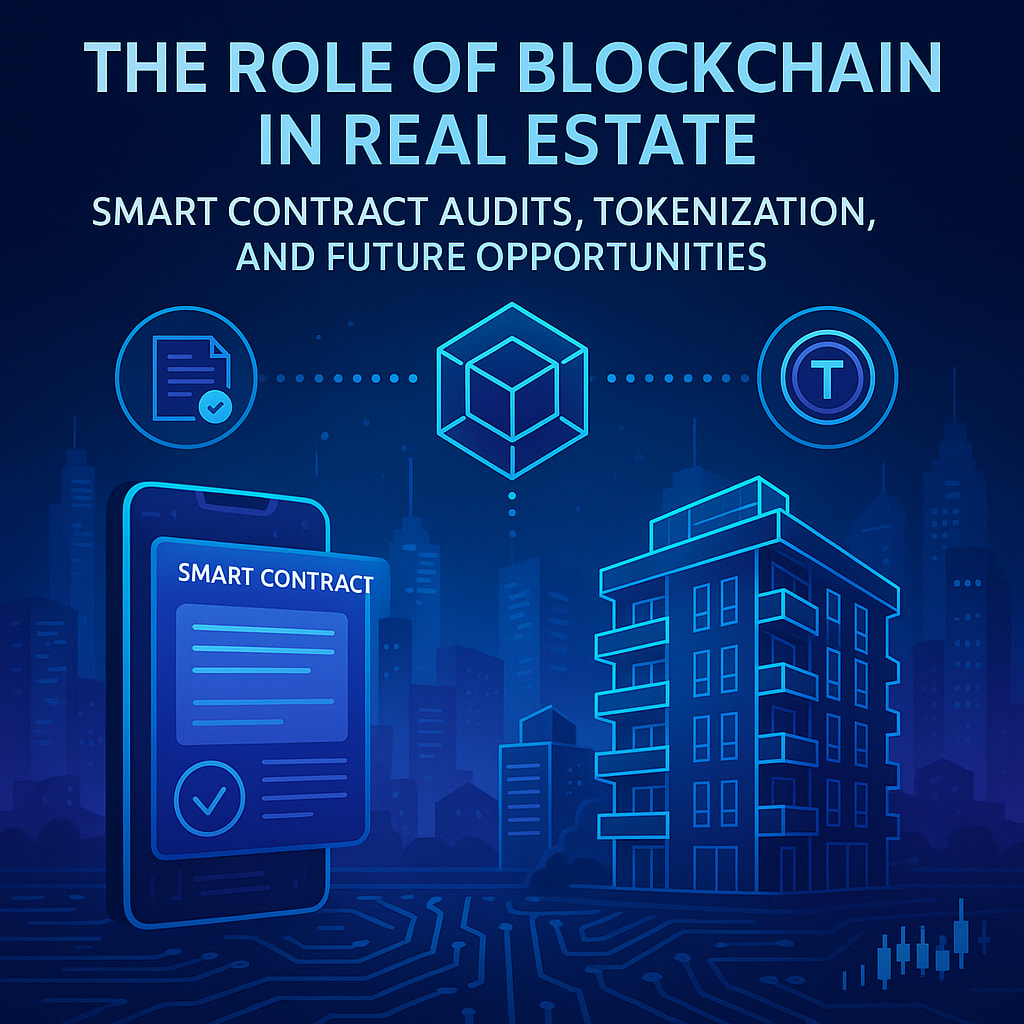
The Role of Blockchain in Real Estate: Smart Contract Audits, Tokenization, and Future Opportunities
Discover how blockchain is transforming real estate with smart contracts, tokenization, secure listings, and cross-border payments.

Introduction
The real estate sector has long been known for its slow processes, heavy paperwork, and frequent risks of fraud. Blockchain technology is now emerging as a powerful solution, streamlining property transactions, improving transparency, and enabling innovative models such as tokenized ownership. From smart contracts to secure property listings and cross-border payments, blockchain is reshaping the industry at its core. This blog explores how blockchain is transforming the real estate industry through smart contracts, tokenization, secure property listings, and cross-border payments while analyzing opportunities and challenges ahead.
Blockchain in Real Estate: A Game-Changer
Unlike traditional financial systems, blockchain offers immutable records and decentralized control, making it highly relevant to real estate. Real estate often involves multiple stakeholders—buyers, sellers, banks, and regulators—which creates inefficiency. Blockchain eliminates redundant intermediaries, enabling faster, cheaper, and more transparent transactions.
- Efficiency: Speeds up property verification and documentation.
- Transparency: Reduces fraud through tamper-proof records.
- Accessibility: Opens doors to fractional ownership and international investment.
According to Deloitte (2023), blockchain adoption in real estate could reduce transaction times by 50% and costs by up to 30%.
Smart Contracts: The Digital Backbone of Property Deals
Smart contracts are self-executing agreements coded on the blockchain. They trigger automatically when conditions are met, eliminating the need for manual approvals.
Key Benefits:
- Instant ownership transfer once payments are made.
- Lower risk of disputes as conditions are predefined.
- Reduced reliance on brokers, lawyers, and banks.
A 2023 PropTech report states smart contracts can shorten closing times from 4–6 weeks to fewer than 10 days. This technology not only accelerates deals but also minimizes errors by automating repetitive tasks such as title verification and lease management.
Property Title Management: Fighting Fraud with Blockchain
One of the biggest challenges in real estate is fraudulent or disputed titles. Blockchain solves this with secure, tamper-proof title registries.
- Provides instant verification of ownership.
- Displays transparent history of all previous owners.
- Protects against forged or duplicate claims.
The World Bank (2017) estimated that more than 70% of the global population lacks formal land title records. Blockchain could help bridge this gap, ensuring fair access and protection of property rights worldwide.
Tokenization: Democratizing Real Estate Investment
Tokenization divides property into digital tokens that represent fractional ownership. This makes real estate investment more accessible.
Advantages of Tokenization:
- Lower barriers to entry: Small investors can own fractions of large assets.
- Diversification: Investors can spread risk across multiple properties.
- Liquidity: Tokens can be traded faster than traditional property shares.
According to MarketsandMarkets (2021), the global tokenized real estate market was valued at $2.3 billion and is projected to reach $5.6 billion by 2026. This growth highlights blockchain’s ability to attract global investors who were previously locked out due to high entry costs.
Secure Property Listings: Reducing Real Estate Fraud
Blockchain-based property listings enhance trust by ensuring data accuracy.
- Prevents fake or duplicate property ads.
- Provides verified ownership details and legal documents.
- Builds buyer confidence with transparent, immutable data.
A 2022 study found that blockchain-integrated listings significantly reduce fraud compared to centralized systems, giving buyers and agents real-time, verified property information.
Cross-Border Payments: A Global Real Estate Revolution
International transactions are often slow due to banking delays and regulations. Blockchain enables instant, low-cost cross-border transfers, making global real estate more accessible.
- Reduces transfer fees by up to 80% (SCN Soft, 2022).
- Settles payments within minutes instead of days.
- Eliminates currency conversion complexities with cryptocurrency integration.
This opens real estate markets to a truly global pool of investors, enhancing opportunities for both sellers and buyers.
Benefits of Blockchain in Real Estate
- Faster Transactions: Smart contracts reduce closing time.
- Lower Costs: Fewer intermediaries mean reduced service charges.
- Transparency: Immutable records minimize disputes.
- Global Reach: Cross-border deals are simplified.
- Accessibility: Tokenization allows smaller investors to participate in large projects.
Challenges Facing Blockchain in Real Estate
While blockchain has transformative potential, adoption is not without challenges:
- Regulatory Barriers: Real estate laws differ across countries, creating uncertainty in blockchain integration.
- System Integration: Many registries and banks still rely on traditional paper systems.
- Slow Adoption: Until governments, banks, and agencies widely accept blockchain, its benefits will remain limited.
Future of Blockchain in Real Estate
The global blockchain real estate market is expected to grow at a 61% CAGR between 2022 and 2030 (Market Research Future).
Future Trends:
- Paperless property transfers through digital records.
- AI-powered valuations combining data analytics with blockchain.
- Mainstream fractional ownership becoming the norm.
- First-mover advantage for early adopters like Dubai and Sweden.
FAQs
Q1: What are the challenges of blockchain in real estate?
Regulatory uncertainty, integration costs, and limited adoption are the main challenges.
Q2: What is blockchain technology in real estate?
It is the use of decentralized, tamper-proof digital ledgers to manage property titles, agreements, listings, and payments.
Q3: What are the benefits and challenges of blockchain technology?
Benefits include faster, cheaper, and more transparent deals. Challenges include legal uncertainties and lack of global adoption.
Q4: What is the future trend of blockchain?
Blockchain will likely enable digital-only property transfers, tokenized investments, and real-time global deals.
Conclusion
Blockchain is no longer a futuristic concept—it is already transforming how real estate functions. From smart contracts to tokenized ownership and transparent listings, the technology is reducing costs, eliminating fraud, and accelerating transactions. While regulatory and adoption challenges remain, the momentum is clear: blockchain is redefining real estate for a faster, fairer, and more global future.
About the Creator
Kaizen Global
The Kaizen Global delivers ROI-focused digital solutions including SEO, marketing, web development, blockchain, and consultancy, helping businesses grow smarter and faster.
Visit us:www.thekaizenglobal.com | [email protected]
Keep reading
More stories from Kaizen Global and writers in The Chain and other communities.
Why Your Business Deserves More Than Just a Crypto Wallet – It Needs a Real Blockchain Solution
In 2025, blockchain technology is no longer limited to cryptocurrency transactions. While digital wallets and token transfers once dominated the conversation, today’s businesses are beginning to understand the true potential of blockchain development—far beyond just crypto. To remain competitive, agile, and secure in a fast-evolving digital world, companies must move beyond surface-level tools and invest in custom blockchain solutions tailored to their specific goals and industry demands.
By Kaizen Global8 months ago in The Chain
The Power Behind Bitcoin
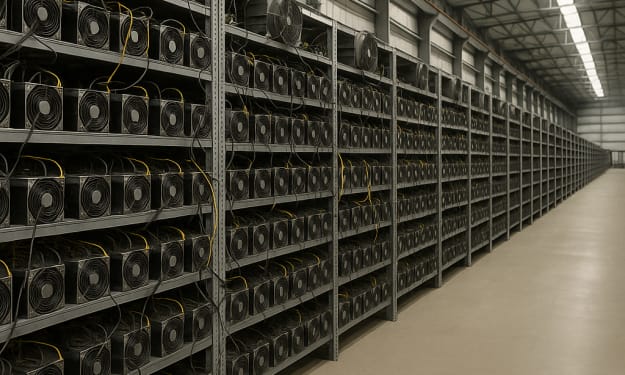
Bitcoin borrowed a word that does not belong to it. Mining sounds physical. It carries an image of dirt, steel, and effort. It suggests men who work in tunnels and move rock by the ton. When the public hears it, they picture a job that leaves a body tired in a way that makes sense. None of that exists in a modern Bitcoin facility. What you find instead is a heat-filled building lined with machines made for only one purpose. Each machine is a miner. One miner equals one computer. Thousands of them sit in rows, running without rest. Once a person understands that a miner is not a human but a device that never sleeps, the scale becomes easier to grasp. These machines fire through guesses at high speed. Each one is trying to match the one valid answer the network will accept. The winning machine earns the reward. All other miners (computers) try again. The entire operation is a probability race powered by electricity.
By Dr. Mozelle Martin2 days ago in The Chain
How Smart Founders Validate Blockchain Ideas in 4 Weeks - Before Spending Millions
Founders don’t lose money on blockchain because the technology fails — they lose money because they validate too late. By the time many startups build a full platform, they discover the market doesn’t need decentralization, regulators require changes, or integration costs explode. A fast Proof of Concept (PoC) flips that risk model. Instead of committing six months and a large budget, founders can validate feasibility, scalability, and stakeholder adoption in four weeks.
By Nia Higgins6 days ago in The Chain



Comments
There are no comments for this story
Be the first to respond and start the conversation.