
The Rise of Decentralized NFT Marketplaces: Benefits, Challenges, and Future Applications
As the demand for NFTs grows, so does the need for marketplaces that facilitate their trade.
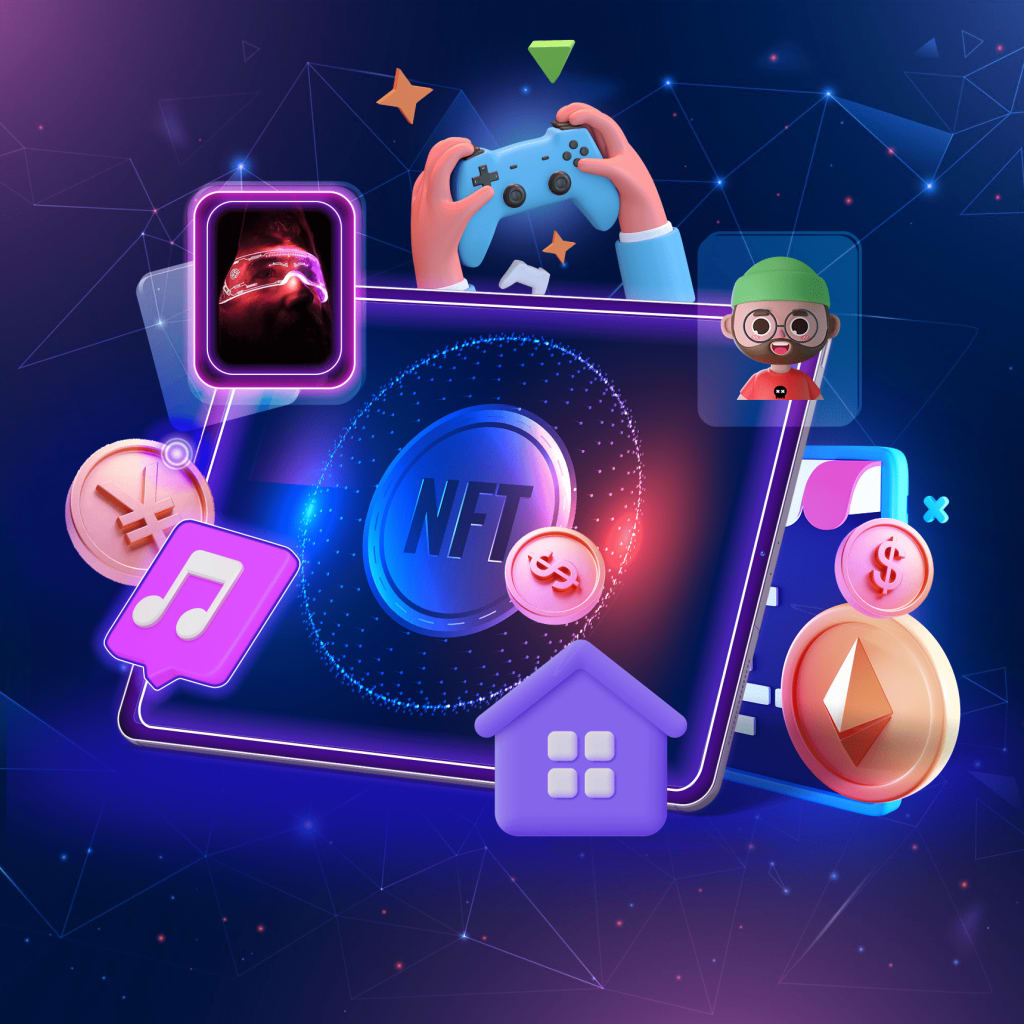
NFTs have taken the concept of digital ownership to the next level by providing a way for creators and collectors to verify ownership of digital assets such as artwork, music, and even tweets. As the demand for NFTs grows, so does the need for marketplaces that facilitate their trade. In this blog, we will explore the benefits of decentralized NFT marketplaces, how they differ from centralized marketplaces, the challenges they face, and their potential for the future.
Centralized vs Decentralized Marketplaces
In a centralized marketplace, a central authority controls the platform, and users have to rely on the authority to enforce the rules and regulations. For instance, if you use a centralized marketplace to buy an NFT, the marketplace would hold the NFT on your behalf until you withdraw it to your wallet.
Decentralized marketplaces, on the other hand, are built on blockchain technology, and transactions are recorded on a public ledger that is accessible to everyone. Users can trade NFTs directly without the need for an intermediary, and no central authority controls the platform.
Benefits of Decentralized NFT Marketplaces
Increased Security
One of the most significant benefits of decentralized marketplaces is the increased security they provide. Since transactions are recorded on a public ledger, the risk of fraud or hacking is significantly reduced. In a decentralized marketplace, the control over the NFTs is in the hands of the users, and not a central authority, making it much harder for hackers to steal assets.
Transparency
Decentralized marketplaces offer a high level of transparency. Since transactions are recorded on a public ledger, anyone can view the history of a particular NFT, including its ownership history and the price at which it was sold. This transparency is particularly important for creators who want to ensure that their work is being sold at a fair price.
Elimination of Middlemen
Another benefit of decentralized marketplaces is that they eliminate the need for middlemen, such as brokers or agents. In a centralized marketplace, the authority typically takes a commission for each transaction, increasing the cost of buying or selling an NFT. In contrast, decentralized marketplaces allow users to transact directly, reducing the transaction fees.
Community-Driven Governance
Decentralized marketplaces are often governed by a community of users rather than a central authority. This community-driven approach ensures that the platform is more democratic and that decisions are made based on the needs and wants of the users. This approach can help to create a more inclusive platform that is responsive to the needs of its users.
Global Accessibility
Decentralized marketplaces offer global accessibility, allowing users from all over the world to participate in the market. This accessibility is particularly important for creators who may not have access to traditional marketplaces due to their location or lack of connections. Decentralized marketplaces allow these creators to showcase their work to a global audience and sell it at a fair price.
Existing Decentralized NFT Marketplaces
Several decentralized marketplaces have emerged in recent years, including OpenSea, Rarible, and SuperRare. These platforms allow users to buy and sell NFTs directly, with no central authority controlling the platform. Each marketplace has its unique features and benefits, and users can choose the platform that best suits their needs.
OpenSea is the largest NFT marketplace, with over 4 million NFTs listed for sale. The platform offers a wide range of NFTs, including digital art, gaming items, and collectibles. OpenSea allows creators to create their own storefronts, making it easier to showcase their work.
Rarible is another popular decentralized marketplace that allows users to create and sell NFTs on the Ethereum blockchain. One unique feature of Rarible is that it allows creators to earn royalties each time their NFT is resold on the platform. This feature ensures that creators continue to benefit from the success of their work, even after it has been sold.
SuperRare is a curated marketplace that focuses on digital art. The platform has strict curation standards, ensuring that only high-quality artwork is listed for sale. This curation approach has helped to establish SuperRare as a premium marketplace for digital art collectors.
Technical Challenges and Solutions for Decentralized NFT Marketplaces
Decentralized marketplaces face several technical challenges that need to be addressed for them to reach their full potential. These challenges include scalability, interoperability, user experience, and smart contract vulnerabilities.
Scalability is a significant challenge for decentralized marketplaces, as the current blockchain infrastructure is not yet capable of supporting the high volume of transactions that would be required for a large-scale marketplace.
Several solutions are being developed, such as layer-2 scaling solutions and sidechains, which could help to address this issue.
Interoperability is another challenge for decentralized marketplaces, as NFTs are currently limited to specific blockchains. This limits the potential for cross-chain trading, which could significantly increase the liquidity of the market.
Solutions such as the Ethereum Virtual Machine and cross-chain bridges are being developed to address this issue.
User experience is a critical factor for the success of any marketplace, and decentralized marketplaces need to provide a user-friendly experience to attract and retain users.
Several solutions are being developed to improve the user experience, such as decentralized identity solutions and user-friendly wallet interfaces.
Smart contract vulnerabilities are a significant concern for decentralized marketplaces, as they could allow hackers to steal NFTs or manipulate the market.
Developers are working to improve the security of smart contracts through code audits and other security measures.
Future of Decentralized NFT Marketplaces
The potential for decentralized NFT marketplaces is vast, and they could significantly disrupt traditional marketplaces. Decentralized marketplaces offer benefits such as increased security, transparency, and community-driven governance, which could help to create a more inclusive and fair marketplace.
One potential application of decentralized NFT marketplaces is in the gaming industry, where NFTs could be used to represent in-game items or virtual real estate. This could create a new market for gamers and provide a new revenue stream for game developers.
Another potential application is in the music industry, where NFTs could be used to represent ownership of a song or album. This could help to address the issue of music piracy and ensure that artists are fairly compensated for their work.
Conclusion
Decentralized NFT marketplaces offer a new way for creators and collectors to trade digital assets in a secure and transparent manner. These marketplaces eliminate the need for middlemen and allow users to transact directly, reducing transaction fees. While there are still technical challenges that need to be addressed, the potential for decentralized NFT marketplaces is vast, and they could significantly disrupt traditional marketplaces. As the demand for NFTs continues to grow, we can expect to see further innovation in this space, with new applications and use cases emerging in the years to come.
About the Creator
Keep reading
More stories from John gamly and writers in The Chain and other communities.
Choosing the Perfect Database for Your NFT Marketplace
If you're building an NFT marketplace, choosing the right database is a critical decision that can impact the scalability, security, and performance of your platform. With so many different databases available, it can be challenging to determine which one is the best fit for your specific needs and use cases. In this blog post, we'll explore some factors to consider when choosing a database for your NFT marketplace and provide examples of databases used by leading marketplaces.
By John gamly3 years ago in The Chain
American Bitcoin Stock: How Investors Gain Exposure to Bitcoin
Introduction American Bitcoin stock is a popular search term among investors who want exposure to Bitcoin without directly owning cryptocurrency. While there is no single stock officially named “American Bitcoin,” the phrase usually refers to U.S.-listed companies whose business models are closely tied to Bitcoin.
By saif ullah6 days ago in The Chain
Twitter Outage
Twitter is one of the most popular social media platforms in the world. Millions of people use it every day to share news, opinions, and updates. Because so many people depend on Twitter, even a short problem can affect users globally. A Twitter outage happens when the platform stops working properly, either for some users or for everyone. These outages often create confusion, frustration, and a lot of online discussion.
By Farhan Sayed3 days ago in The Chain


Comments
There are no comments for this story
Be the first to respond and start the conversation.