
Stocks vs ETFs: Beginners Choosing...
Beginner's Guide to Financial Growth


Stocks or ETFs; Which Option is Best for Beginners?

Entering the world of stock market investment can seem intimidating, for those new to the game. The wide range of choices available, including stocks and Exchange Traded Funds (ETFs) can feel overwhelming at first glance. However grasping the distinctions and advantages of each can shed light on how to navigate investment decisions. This article aims to simplify the concepts of stocks and ETFs aiding beginners in determining which investment vehicle aligns better with their goals.
The Appeal of Stocks

Stocks, which represent ownership shares in companies have long served as a tool for accumulating wealth over generations. They provide investors with a chance to own a portion of a company partake in its growth trajectory and potentially reap profits. The allure of returns stands out as one of the main draws for individuals considering investing in individual stocks.
Advantages of Investing in Stocks;

1. Potential for Lucrative Returns;
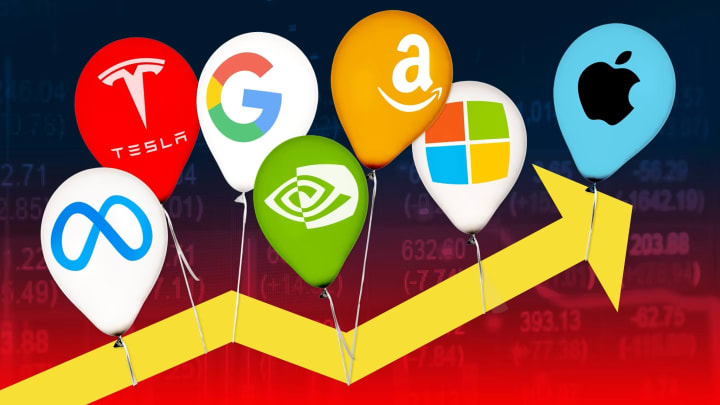
Stocks have historically surpassed other types of investments in terms of performance. Known companies like Apple, Amazon and Tesla have delivered remarkable gains to early investors. This potential for profits can be highly appealing, to newcomers.
2. Ownership Stake and Voting Privileges;
Upon acquiring shares in a company's stock you secure ownership rights.
Investors have the right to vote on company matters, such as selecting board members, which can make them feel more connected and involved in the business.

Some companies choose to pay dividends to shareholders which're a share of their profits. Dividends offer investors a source of income and can be attractive to those looking for regular financial returns.
Drawbacks of investing in stocks include;
1. Risk; Individual stocks can be very unpredictable with their value fluctuating based on various factors like company performance and market conditions. This volatility can lead to losses especially for new investors who may not fully grasp market dynamics.
2. Time Consuming; Investing in stocks demands thorough research and analysis. Investors must keep track of the companies they invest in monitor market trends and regularly assess their investment portfolio. This process can be time intensive and overwhelming for beginners.
3. Lack of Diversification; Investing in stocks means putting all your eggs in one basket. If a large portion of your investment relies on a companys performance your portfolio is, at risk. While diversifying across stocks can help reduce this risk it requires more resources and effort.
The Ease of ETFs

Exchange Traded Funds (ETFs) have become increasingly popular in years due to their simplicity and broad investment options. They offer an diversified way to invest making them appealing to newcomers. An ETF is essentially a mix of stocks, bonds or other assets that are traded on stock exchanges like individual stocks.
Benefits of Investing in ETFs;
1. Diversification;
ETFs provide diversification by combining various assets together. For instance an S&P 500 ETF consists of shares from 500 U.S. Companies. This diversification helps spread out risks and lessens the impact of performance from any single asset.
2. Cost Efficiency;
Typically ETFs have expense ratios compared to mutual funds and buying individual stocks separately. This cost effectiveness is advantageous for beginners who may have limited funds for investing.
3. Accessibility;
ETFs can be. Sold on stock exchanges similar to individual stocks. This accessibility makes them a convenient choice, for newcomers looking to start their investment journey.
4. Versatility;
Through ETFs investors can access sectors, industries or asset classes without the need to purchase individual stocks.
This flexibility enables newcomers to construct an investment portfolio that aligns with their financial objectives.
Disadvantages of Investing in ETFs;

1. Market Risk;
While ETFs offer diversification they are still vulnerable to market fluctuations. If the overall market or a specific sector performs poorly the value of the ETF may decrease. Nonetheless this impact is typically less significant compared to investing in stocks.
2. Tracking Error;
Certain ETFs may not precisely mirror their underlying index or asset class. This tracking error can lead to differences between the ETFs performance and that of its benchmark.
3. Limited Growth Potential;
Given that ETFs distribute investments across assets they might not yield as high returns as a carefully chosen individual stock. While this reduces risk it also restricts profits.
Which Option is Preferable, for Novices?

Choosing between stocks and ETFs primarily hinges on a beginners investment objectives risk tolerance and time commitment. Here are some factors to consider when making this decision;
1. Risk Tolerance;
If you have a risk tolerance and are willing to dedicate time to researching individual companies investing in stocks could be an attractive option.
If you lean towards a cautious approach with lower risk ETFs can offer diversification and reduced volatility.
2. Time Consideration;
For those on time for research and managing portfolios ETFs present a convenient investment option. They require hands on management and provide exposure to a wide market.
3. Financial Objectives;
Reflect on your term financial aspirations. If you're aiming for returns and are open to higher risks individual stocks might be appropriate. Conversely if you desire growth and prefer a more hands off strategy ETFs align well with these goals.
The Best of Both Worlds

For newcomers a mixed approach incorporating both stocks and ETFs could be the ideal solution. This method allows investors to benefit from diversification through ETFs while also leveraging the high returns from individual stocks. Here's how you can set up such a portfolio;
1. Core Satellite Strategy;
Utilize ETFs as the core of your portfolio for market exposure and stability. Allocate a portion, to individual stocks as satellite investments to pursue higher returns.
2. Industry Specific ETFs;
Combining broad market ETFs with sector ETFs allows you to target industries with strong growth potential while maintaining diversification. This strategy enables you to benefit from trends while spreading risk.
One effective strategy is dollar cost averaging, where you regularly invest a fixed amount of money in your chosen assets. This approach helps reduce the impact of market fluctuations and minimizes the risk associated with timing decisions.
In conclusion investing is a journey that requires consideration ongoing learning and a clear grasp of your financial goals. While stocks offer returns and ownership benefits they also come with increased risk and time commitments. On the hand ETFs offer diversification, lower costs and easy access making them appealing for beginners.
Ultimately the decision, between stocks and ETFs depends on your preferences and circumstances. By understanding the advantages and disadvantages of each asset type you can make an informed choice aligned with your investment objectives. Remember that successful investing involves not selecting the right assets but also maintaining discipline staying informed and adjusting strategies as necessary. Happy investing!
About the Creator
Harvey Bramo Acquaah
A Fante from ABK in the Central Region of Ghana. An Investor. a writer, Crypto enthusiastic and creator, sports analyst and creator, song and dramatists, programmer, a father and an Optimist.
Keep reading
More stories from Harvey Bramo Acquaah and writers in The Chain and other communities.
Exploring Ethereum; An Introductory Manuel
Exploring Ethereum; In the changing world of finance Ethereum stands out as a hub of creativity and potential. Stemming from the technology that forms the foundation of Bitcoin Ethereum has forged its own unique path providing not just a digital currency but also a platform, for a diverse range of decentralized applications. If you're new to the realm of cryptocurrency and considering investing in Ethereum this guide aims to shed light on your journey pique your curiosity and lay a groundwork for your venture.
By Harvey Bramo Acquaah2 years ago in The Chain
Tokenization Strategies for Startups and Enterprises: Building Value Through Digital Assets
Digital assets are gradually redefining how businesses think about ownership, capital formation, and asset management. Over the past decade, blockchain technology has moved from experimental cryptocurrency networks into a broader infrastructure capable of representing real-world assets, intellectual property, financial instruments, and even governance rights in digital form. Tokenization, the process of converting rights to assets into blockchain-based tokens, is emerging as a powerful strategy for startups and established enterprises seeking new ways to raise capital, increase liquidity, and build more efficient ecosystems.
By Jennifer Atkinsonabout 3 hours ago in The Chain
How to Reduce Crypto Token Development and Launch Costs?
Launching a crypto token often looks deceptively simple from the outside. Smart contracts can be deployed in minutes. Token standards are well documented. Marketing channels are accessible. Yet founders frequently discover that what seemed like a modest technical exercise turns into a six-figure undertaking. Development, audits, legal structuring, exchange listings, liquidity provisioning, branding, community management, and post-launch maintenance compound rapidly.
By Jennifer Atkinson6 days ago in The Chain



Comments
There are no comments for this story
Be the first to respond and start the conversation.