
Self-Custody Wallets: Empowering Users with Full Control Over Their Digital Assets
Self-Custody Wallets
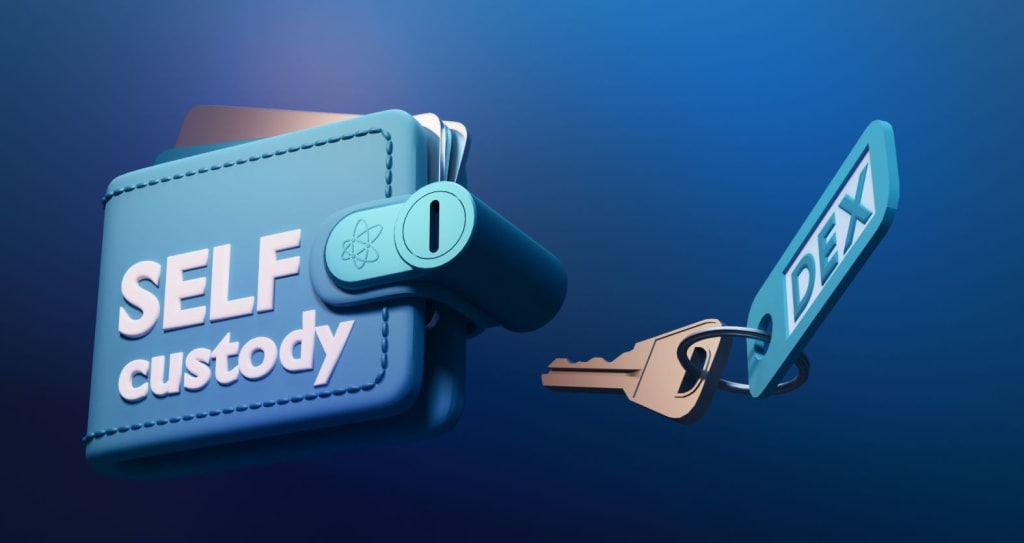
As the popularity of digital assets grows, so does the need for secure ways to store them. A self-custody wallet is a digital wallet where users have complete control over their private keys and, therefore, their assets. Unlike custodial wallets, where a third party manages the keys, self-custody wallets place responsibility solely on the user, offering both higher security and the freedom to manage funds independently. For anyone interested in true ownership of their crypto, self-custody wallets are a foundational tool.
How Self-Custody Wallets Work
Self-custody wallets store private keys on the user’s device, providing direct access to their cryptocurrency holdings. These wallets come in various forms, including hardware wallets (physical devices that store private keys offline), software wallets (apps on mobile or desktop), and paper wallets (physical copies of private keys). By securing private keys, self-custody wallets ensure that no third party has access to a user’s assets, reducing the risk of centralized hacks or restrictions.
Benefits of Using Self-Custody Wallets
Self-custody wallets offer several advantages for crypto holders. First, they provide unmatched security by allowing users to store their private keys offline, often in encrypted form, which minimizes exposure to online threats. Second, self-custody wallets give users complete control over their funds, enabling them to send, receive, or stake assets whenever they choose without relying on intermediaries. This autonomy can be especially important in a decentralized financial ecosystem, where individuals seek independence from traditional banking constraints.
Security Measures and Best Practices
While self-custody wallets offer greater security, they also place responsibility for safeguarding private keys on the user. To maximize security, users should store their private keys in secure, offline locations and back them up in case of device loss. Using two-factor authentication (2FA) with software wallets adds an extra layer of security, and avoiding phishing scams and untrusted links is crucial. Additionally, many users prefer hardware wallets for added protection, as they store keys offline, making them less vulnerable to cyberattacks.
Types of Self-Custody Wallets
Self-custody wallets can be categorized into hot wallets and cold wallets. Hot wallets, like mobile apps or browser extensions, are connected to the internet, making them convenient but slightly more vulnerable. Cold wallets, like hardware or paper wallets, are offline and offer enhanced security, ideal for long-term storage of large crypto holdings. Each type of wallet serves a different purpose, and users often choose a combination to balance accessibility and security according to their needs.
Self-Custody Wallets and Decentralized Finance (DeFi)
Self-custody wallets are integral to the decentralized finance (DeFi) movement, where users interact with blockchain-based financial applications without intermediaries. With self-custody wallets, users can connect directly to DeFi platforms, trade assets, earn yield, and participate in decentralized lending and borrowing. This level of financial autonomy aligns with the principles of DeFi, providing users with the freedom to manage their assets and engage in financial activities without a centralized authority.
Risks and Challenges of Self-Custody Wallets
While self-custody wallets offer control and security, they come with risks and responsibilities. Users must be diligent about safeguarding their private keys, as losing them means losing access to their assets permanently. Additionally, self-custody requires a certain level of technical understanding, as users need to navigate wallet setup, backups, and recovery processes. Mistakes like losing access credentials or falling for phishing attacks can have serious consequences, making education on wallet security crucial.
The Future of Self-Custody Wallets
As blockchain technology and cryptocurrency adoption continue to grow, self-custody wallets are expected to evolve with enhanced user experiences, increased security features, and greater integration with DeFi platforms. Future developments may include biometric security, multi-signature options, and improved interoperability between wallets and decentralized applications. With these advancements, self-custody wallets could become more user-friendly, making it easier for mainstream audiences to securely manage digital assets.
Conclusion
Self-custody wallets offer a revolutionary approach to financial management, enabling users to fully control and protect their digital assets. By eliminating the need for third-party custodians, these wallets provide unparalleled freedom, security, and compatibility with the decentralized finance ecosystem. However, this independence comes with responsibility—users must take proactive measures to secure their keys and educate themselves on best practices. For those committed to financial autonomy, self-custody wallets are an essential step toward true ownership in the world of digital assets.
About the Creator
Crypto Wallets: The Complete Guide to Securely Storing Digital Assets
Introduction: Why Crypto Wallets Matter More Than Ever Crypto wallets are the backbone of the digital asset economy. Whether you trade daily, invest long-term, or simply hold Bitcoin and altcoins, your crypto wallet determines how safely and efficiently you control your funds. Unlike traditional banks, crypto puts you in charge. That freedom also comes with responsibility.
By saif ullah4 days ago in The Chain




Comments
There are no comments for this story
Be the first to respond and start the conversation.