
Self-Custody Wallet: Empowering Secure Ownership of Digital Assets
Self-Custody Wallet
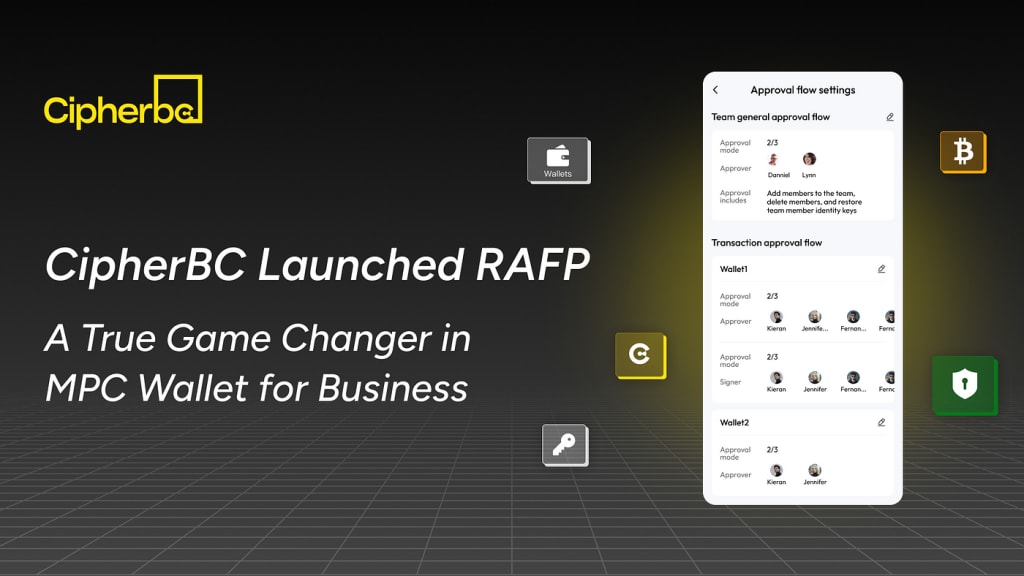
A self-custody wallet, also known as a non-custodial wallet, is a type of cryptocurrency wallet that allows users to have full control over their digital assets. Unlike custodial wallets managed by third-party services, self-custody wallets give users exclusive access to their private keys, ensuring they are the sole custodians of their funds. These wallets align with the ethos of decentralization and personal financial sovereignty, making them an essential tool for individuals who prioritize security and privacy in managing cryptocurrencies.
How Self-Custody Wallets Work
Self-custody wallets operate by generating a pair of cryptographic keys: a public key and a private key. The public key is used to receive funds, while the private key grants access to the wallet's assets. Users must securely store their private keys since losing them results in permanent loss of access to their funds. These wallets are typically software-based (mobile, desktop, or web applications) or hardware devices that store keys offline for enhanced security.
Types of Self-Custody Wallets
1. Software Wallets
Software wallets are applications installed on mobile devices, computers, or web browsers. Examples include MetaMask, Trust Wallet, and Electrum. They are user-friendly and suitable for day-to-day transactions but may be vulnerable to malware if not secured properly.
2. Hardware Wallets
Hardware wallets like Ledger and Trezor store private keys offline, offering maximum security. They are ideal for long-term storage of significant amounts of cryptocurrency as they are less susceptible to hacking.
3. Paper Wallets
A paper wallet involves writing down the private and public keys on paper or printing them as QR codes. This method is highly secure but prone to physical damage or loss.
Benefits of Using a Self-Custody Wallet
1. Full Control Over Assets
Self-custody wallets eliminate reliance on third parties, ensuring users have complete ownership and access to their funds.
2. Enhanced Security
By removing intermediaries, these wallets reduce the risk of centralized exchange hacks or custodial mismanagement.
3. Privacy and Anonymity
Self-custody wallets do not require users to share personal information, safeguarding their privacy.
4. Access to Decentralized Finance (DeFi)
Many self-custody wallets integrate seamlessly with DeFi platforms, allowing users to trade, lend, and borrow directly from their wallets.
Challenges of Using Self-Custody Wallets
1. Risk of Key Loss
If users lose their private keys or recovery phrases, they permanently lose access to their funds. This requires diligent backup and storage practices.
2. Steep Learning Curve
For beginners, understanding how to securely manage a self-custody wallet can be intimidating.
3. Lack of Recourse for Errors
Unlike custodial services, self-custody wallets do not provide customer support for issues like lost funds or transaction errors.
How to Choose the Right Self-Custody Wallet
1. Security Features
Opt for wallets with strong encryption, two-factor authentication (2FA), and hardware integration for added security.
2. Compatibility
Ensure the wallet supports the cryptocurrencies and blockchain networks you intend to use.
3. Ease of Use
Choose a wallet with a user-friendly interface, especially if you are new to cryptocurrency.
4. Backup and Recovery Options
Select wallets that offer straightforward ways to backup and recover keys, such as seed phrases.
Self-Custody Wallets vs. Custodial Wallets
The primary difference between self-custody and custodial wallets is ownership of the private keys. Custodial wallets, managed by exchanges or service providers, offer convenience and customer support but expose users to risks like exchange hacks or asset freezes. In contrast, self-custody wallets provide full control and heightened security but require users to take responsibility for safeguarding their keys.
Best Practices for Managing a Self-Custody Wallet
Secure Your Private Keys: Use hardware wallets for significant funds and store backups in multiple secure locations.
Enable Two-Factor Authentication: If your wallet supports it, add an extra layer of protection.
Be Wary of Phishing Attempts: Avoid clicking on suspicious links or sharing private keys with anyone.
Keep Software Updated: Regularly update your wallet to access the latest security features and bug fixes.
Test Transactions: Start with small amounts when using a new wallet or blockchain network.
Future of Self-Custody Wallets
As cryptocurrencies become mainstream, the demand for secure and user-friendly self-custody solutions will grow. Innovations like Multi-Party Computation (MPC) wallets and decentralized identity systems are expected to enhance the functionality and accessibility of self-custody wallets. Additionally, advancements in user experience design will make these wallets more intuitive for beginners, encouraging broader adoption.
Conclusion: Taking Control of Your Digital Assets
Self-custody wallets embody the core principles of cryptocurrency: decentralization, security, and personal sovereignty. By empowering users with full control over their assets, these wallets reduce reliance on centralized entities and offer unparalleled protection against fraud and hacks. Whether you're a seasoned crypto enthusiast or a newcomer, adopting a self-custody wallet is a step toward embracing the true potential of digital finance.
About the Creator
Blockchain in Intellectual Property: How It’s Changing Ownership, Protection, and Licensing
Introduction Intellectual property (IP) is one of the most valuable assets in the modern economy. From music, films, and books to patents, trademarks, and software code, creators and businesses rely on IP laws to protect their work. However, traditional intellectual property systems are often slow, expensive, and difficult to enforce—especially in the digital age.
By saif ullah2 days ago in The Chain
Is Bitcoin a Good Investment? A Clear, Honest Look
Introduction Is Bitcoin a good investment? This question has been asked by beginners, professionals, skeptics, and institutions alike. Some see Bitcoin as the future of money. Others see it as risky and unpredictable. The truth lies somewhere in between.
By saif ullah3 days ago in The Chain
Wild Card Weekend Recap: What Happens Now?
I think I figured out why I love Wild Card Weekend so much. It's because it's the first playoff anything of the calendar year. The NFL season starts in the fall, and once upon a time, the champion was crowned either on or slightly before New Year's. The evolution of the NFL schedule has resulted in the playoffs starting just into the New Year, and currently, the final week of the season falls on the first weekend of the New Year, with Wild Card Weekend coming a week after that. So yes, chronologically, the NFL's Wild Card Weekend serves as the first playoff anything of the calendar year.
By Clyde E. Dawkins5 days ago in Unbalanced



Comments
There are no comments for this story
Be the first to respond and start the conversation.