
Master DeFi App Development with This Simple Guide
DeFi App Development

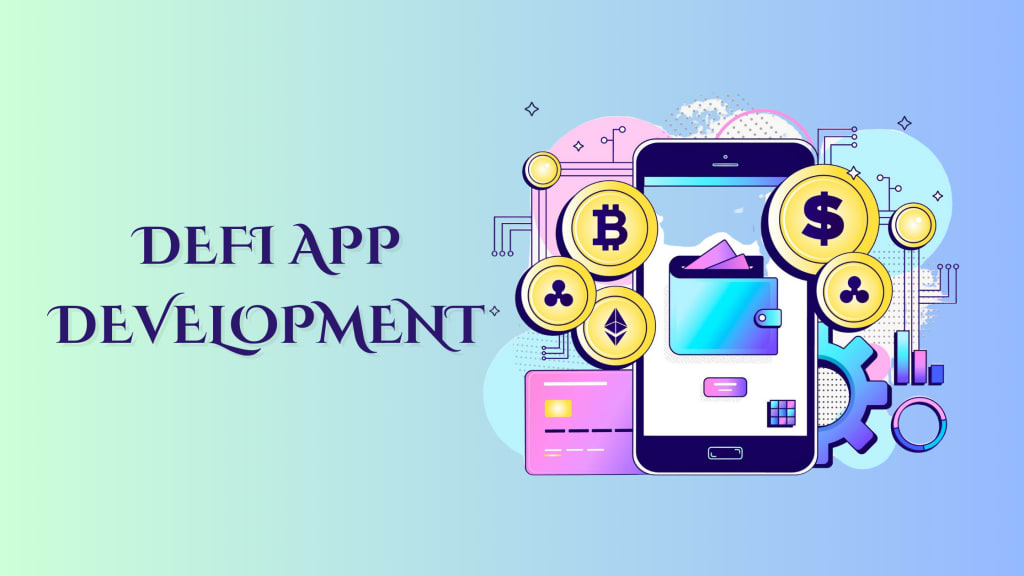
Tom had always been fascinated by the world of cryptocurrency. He spent countless hours reading about blockchain technology and its potential to revolutionize finance. One day, while scrolling through an online forum, he stumbled upon a discussion about blockchain development for DeFi. The idea of creating decentralized applications that could change the way people interacted with money excited him. However, he didn’t know where to start.
Like many others, Tom found DeFi (Decentralized Finance) to be an intimidating concept at first. But with patience and the right approach, he soon discovered that mastering DeFi app development could be simpler than it seemed. If you are in the same boat as Tom, this guide will help you take your first steps.
Understanding the Basics of DeFi
Before diving into development, it was important for Tom to understand what DeFi meant. DeFi refers to financial applications built on blockchain networks that operate without intermediaries like banks. It offers various services, including lending, borrowing, trading, and yield farming, in a completely decentralized manner.
By leveraging blockchain development for DeFi, smart contracts were used to automate transactions, ensuring trust and transparency. Unlike traditional finance, where users had to rely on centralized institutions, DeFi provided financial freedom with just an internet connection.
Choosing the Right Blockchain Platform
The next step in Tom’s journey was selecting the right blockchain platform. Popular platforms such as Ethereum, Binance Smart Chain, and Solana were considered because they provided robust ecosystems for DeFi development. Each platform had its strengths, but Ethereum was chosen because of its extensive developer community and smart contract capabilities.
Smart contracts played a crucial role in DeFi applications. These self-executing contracts, written in programming languages like Solidity, automated processes such as lending, staking, and governance. By focusing on blockchain development for DeFi, Tom was able to build applications that operated transparently and efficiently.
Learning the Essential Development Tools
To build a successful DeFi app, the right set of tools was needed. Tom learned that popular tools such as:
Remix IDE – It is utilized to create and implement smart contracts.
Truffle Suite – A framework that simplifies development and testing.
Metamask – A wallet to interact with blockchain networks.
The Graph – A tool for indexing blockchain data.
By mastering these tools, the development process became easier and more structured.
Designing a User-Friendly Interface
Tom quickly realized that technical excellence alone was not enough. The success of a DeFi app depends on its user interface (UI) and user experience (UX). A clean, intuitive interface ensured that users could easily navigate the app without confusion.
UI frameworks such as React and Vue.js were explored to create visually appealing and functional frontends. The integration of blockchain technology with front-end applications was achieved through Web3.js and Ethers.js libraries, enabling seamless communication with smart contracts.
Ensuring Security and Compliance
Security was one of the most critical aspects of DeFi app development. Since DeFi applications handle financial transactions, vulnerabilities could lead to significant losses. Tom learned that smart contracts should be audited by professionals to detect and fix potential issues.
Additionally, compliance with regulations was considered to avoid legal complications. Although DeFi aimed to be decentralized, following best practices and adhering to legal frameworks ensured sustainability and trust within the ecosystem.
Testing and Deployment
After development, thorough testing was conducted using test networks like Ropsten and Rinkeby. These test environments allowed Tom to simulate real-world scenarios without risking actual assets. Only after extensive testing was the DeFi app deployed on the mainnet.
Deployment tools such as Hardhat and Infura were used to make the process seamless. Once launched, continuous monitoring and updates were needed to maintain the app's functionality and security.
Conclusion
Tom’s journey from curiosity to building a fully functional DeFi app was made possible by understanding the fundamentals and leveraging the right tools. Blockchain development for DeFi may seem complex, but with a step-by-step approach, it becomes an achievable goal.
If you are ready to enter the world of DeFi, take inspiration from Tom’s story and start your journey today. With the right knowledge and determination, mastering DeFi app development is well within your reach. Partnering with experts like AnA Info can help guide you through the process and set you up for success.
About the Creator
henrywilliam
With a strong background in software development and a thorough understanding of mobile platforms, I design, develop, and implement innovative mobile apps that are tailored to the needs of users and business objectives.
Keep reading
More stories from henrywilliam and writers in The Chain and other communities.
Smart Contracts in DeFi: Enabling Secure Transparency
The sun was setting over a bustling tech hub in Silicon Valley, casting golden hues across the city. Amid the cacophony of innovation, a group of developers gathered in a sleek co-working space. Their mission was simple but profound: to revolutionize finance with technology. The buzzword dominating their discussions was DeFi smart contract development, a concept that had started to transform how financial transactions were conducted.
By henrywilliamabout a year ago in The Chain
Blockchain in Intellectual Property: How It’s Changing Ownership, Protection, and Licensing
Introduction Intellectual property (IP) is one of the most valuable assets in the modern economy. From music, films, and books to patents, trademarks, and software code, creators and businesses rely on IP laws to protect their work. However, traditional intellectual property systems are often slow, expensive, and difficult to enforce—especially in the digital age.
By saif ullahabout 3 hours ago in The Chain
Wool Rugs: Why They’re Popular and Worth Considering
Wool rugs continue to be a popular choice for living spaces, and their appeal has remained steady for generations. While synthetic rugs often cost less upfront, wool stands apart for its natural performance, comfort, and long-term value. Understanding why wool rugs are so widely used helps explain why they remain a smart and reliable option for many homes today.
By Shahid Sipra7 days ago in The Chain
Wild Card Weekend Recap: What Happens Now?
I think I figured out why I love Wild Card Weekend so much. It's because it's the first playoff anything of the calendar year. The NFL season starts in the fall, and once upon a time, the champion was crowned either on or slightly before New Year's. The evolution of the NFL schedule has resulted in the playoffs starting just into the New Year, and currently, the final week of the season falls on the first weekend of the New Year, with Wild Card Weekend coming a week after that. So yes, chronologically, the NFL's Wild Card Weekend serves as the first playoff anything of the calendar year.
By Clyde E. Dawkins3 days ago in Unbalanced



Comments
There are no comments for this story
Be the first to respond and start the conversation.