
How to Build a Real World Asset Tokenization Platform: A Step-by-Step Guide in 2025
Learn how to build a Real World Asset (RWA) tokenization platform in 2025 with this step-by-step guide. Discover key features, technologies, and strategies to launch a successful RWA platform.

In 2025, the tokenization of real-world assets (RWAs) is projected to revolutionize the financial industry, with the market expected to reach a staggering $30.1 trillion by 2034. This surge reflects a growing trend among businesses and investors to digitize physical assets, enhancing liquidity, accessibility, and efficiency.
But, how can one develop a robust Real World Asset Tokenization Platform in this evolving market?
This comprehensive guide outlines the step-by-step process to build such a platform, ensuring you stay ahead in the dynamic world of digital finance.
So, without further ado, let’s get started!
Understanding Real World Asset Tokenization
Real World Asset Tokenization involves converting physical assets—such as real estate, commodities, or art—into digital tokens on a blockchain. Each token represents a fractional ownership or stake in the asset, allowing for easier transfer and increased liquidity. This process democratizes access to investments, enabling broader participation in markets traditionally reserved for high-net-worth individuals or institutions.
Step-by-Step Guide to Building a Real World Asset Tokenization Platform
1. Identify and Evaluate the Asset
Begin by selecting the asset you intend to tokenize. Conduct a thorough evaluation to determine its value, ownership rights, and any legal encumbrances. Assets commonly tokenized include real estate, precious metals, and intellectual property.
2. Ensure Legal and Regulatory Compliance
Navigating the legal landscape is crucial. Engage legal experts to ensure compliance with local and international regulations concerning securities, property rights, and digital assets. This step is vital to avoid legal pitfalls and build investor trust.
3. Choose the Appropriate Blockchain Platform
Select a blockchain that aligns with your project's needs. Ethereum is a popular choice due to its robust smart contract capabilities, but alternatives like Binance Smart Chain and Hyperledger offer unique advantages. Consider factors such as scalability, security, transaction costs, and community support.
4. Develop Smart Contracts
Smart contracts automate the execution of agreements when predefined conditions are met. They are integral to tokenization, ensuring transparency and reducing the need for intermediaries. Collaborate with experienced blockchain developers to create secure and efficient smart contracts.
5. Token Creation and Distribution
Design tokens that represent shares in the underlying asset. Decide on the token standards (e.g., ERC-20, ERC-721) and the total supply. Implement a secure distribution mechanism, possibly through a token sale or direct allocation to investors.
6. Implement Robust Security Measures
Security is paramount in protecting both the platform and its users. Incorporate features like multi-factor authentication, encryption, and regular security audits. Ensuring the integrity of the platform fosters investor confidence and safeguards assets.
7. Integrate a User-Friendly Interface
A seamless user experience is critical for adoption. Design an intuitive interface that allows users to easily navigate the platform, manage their tokens, and access relevant information. Prioritize accessibility across various devices and operating systems.
8. Establish a Secondary Market for Trading
Facilitate liquidity by enabling a marketplace where token holders can buy and sell their tokens. This can be achieved by integrating with existing exchanges or developing an in-house trading platform. Liquidity attracts more investors and adds value to the tokenized assets.
9. Conduct Thorough Testing
Before launching, perform extensive testing to identify and rectify any technical or security issues. This includes stress testing, security assessments, and user acceptance testing to ensure the platform operates smoothly under various conditions.
10. Launch and Continuous Maintenance
After a successful launch, provide ongoing support and maintenance. Regularly update the platform to incorporate new features, address vulnerabilities, and comply with evolving regulations. Continuous improvement keeps the platform competitive and secure.
Benefits of Building a Real World Asset Tokenization Platform
- Increased Liquidity: Tokenization transforms traditionally illiquid assets into tradable tokens, enhancing market fluidity.
- Fractional Ownership: Investors can own portions of high-value assets, lowering the barrier to entry and diversifying investment portfolios.
- Enhanced Transparency: Blockchain's immutable ledger ensures transparent and auditable transactions, building trust among stakeholders.
- Cost Efficiency: Automating processes through smart contracts reduces administrative costs and minimizes the need for intermediaries.
Challenges to Consider
- Regulatory Uncertainty: The legal framework for tokenized assets is still evolving, requiring businesses to stay informed and adaptable.
- Technological Complexity: Developing a secure and efficient platform demands specialized knowledge in blockchain technology and cybersecurity.
- Market Adoption: Encouraging users to embrace a new platform involves strategic marketing and education efforts.
Conclusion
Building a Real World Asset Tokenization Platform in 2025 offers a transformative opportunity to democratize access to investments and enhance asset liquidity. By meticulously following the step-by-step guide above, businesses and entrepreneurs can successfully launch platforms that not only meet regulatory and technological standards but also deliver real value to users and investors.
As the global demand for fractional ownership, transparency, and decentralized finance continues to rise, platforms built today can position themselves as leaders in the future of asset digitization. But remember—success doesn’t come from technology alone; it also depends on understanding your users, building trust, and offering a secure, seamless experience.
If you’re looking to launch your own Real World Asset Tokenization Platform, don’t go it alone. Partner with an experienced blockchain development company, which specializes in Real World Asset Tokenization Platform development. From smart contract integration to full-scale platform deployment, their team ensures your vision turns into a secure and scalable product.
Frequently Asked Questions
Q. What is a Real World Asset Tokenization Platform?
A Real World Asset Tokenization Platform is a blockchain-based system that converts physical assets—like real estate, artwork, or gold—into digital tokens. These tokens represent fractional ownership and can be traded on secondary markets.
Q. How does tokenization benefit investors?
Tokenization offers benefits such as:
- Fractional ownership (invest in parts of large assets)
- Improved liquidity (easier buying/selling)
- Lower entry barriers (start investing with small amounts)
- Transparent and secure transactions (blockchain-based)
Q. What are the main compliance challenges?
The biggest compliance challenges are:
- Navigating security laws (especially in different countries)
- Verifying asset ownership legally
- Data privacy and AML/KYC requirements
Q. Which blockchain is best for RWA tokenization?
Ethereum is the most common due to its mature smart contract ecosystem. However, Polygon, Binance Smart Chain, and Hyperledger are gaining popularity for their scalability and cost-effectiveness.
About the Creator
Technoloader
Technoloader is a complete blockchain development company in India that provides end-to-end solutions in this field. We offer blockchain development, defi development, cryptocurrency wallet & exchange development and mlm development.
Keep reading
More stories from Technoloader and writers in The Chain and other communities.
How to Create an IDO Launchpad on the Binance Smart Chain?
Today, the blockchain is used for various aspects, like crowdfunding for new projects and startups. The truth is, the blockchain has diversified innovation to add new use cases. The latest is the initial Dex offering, or IDO launchpad, a form of direct crypto crowdfunding that enables new projects to raise capital and liquidity directly off the blockchain across different chains like Ethereum, Binance Smart Chain, and others.
By Technoloader2 years ago in The Chain
Crypto Coin: Architecture, Utility Models, and Market Dynamics Explained
The term Crypto coin refers to a native digital asset that operates on its own blockchain infrastructure, functioning as a medium of exchange, store of value, and programmable financial instrument. Unlike tokens that are deployed on existing chains, a Crypto coin underpins its network’s consensus, incentivization, and transaction validation layers. Understanding how a Crypto coin operates requires a multi-dimensional perspective that includes cryptographic security, economic design, governance structures, and regulatory implications.
By Siddarth D6 days ago in The Chain
The Power Behind Bitcoin
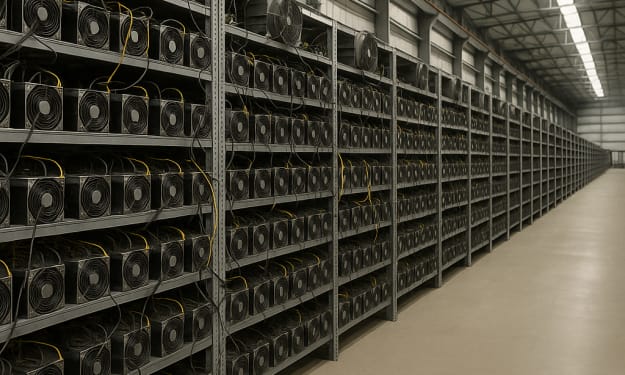
Bitcoin borrowed a word that does not belong to it. Mining sounds physical. It carries an image of dirt, steel, and effort. It suggests men who work in tunnels and move rock by the ton. When the public hears it, they picture a job that leaves a body tired in a way that makes sense. None of that exists in a modern Bitcoin facility. What you find instead is a heat-filled building lined with machines made for only one purpose. Each machine is a miner. One miner equals one computer. Thousands of them sit in rows, running without rest. Once a person understands that a miner is not a human but a device that never sleeps, the scale becomes easier to grasp. These machines fire through guesses at high speed. Each one is trying to match the one valid answer the network will accept. The winning machine earns the reward. All other miners (computers) try again. The entire operation is a probability race powered by electricity.
By Dr. Mozelle Martin7 days ago in The Chain
I wanted to title this something different, but worried that my chosen title might cause problems entering the United States in the future so this is the new title. It's the greatest title. No one has ever written a title better than this. (All titles unrelated to content).
Let me be honest. I am finding this difficult. Now, I like a challenge, a stretch, a bit of an obstacle course. “Write about the decline of the British Empire in the form of a narrative poem in which your protagonist is an artichoke” I read, and flex my fingers. “Write a haiku to evoke the sensation of sibilance using only the first half of the alphabet.” “Well”, I think to myself, “this should be fun.” But “write about a system that isn’t working”? A system that isn’t working? Now? In 2026? ONE system? My favourite system that isn’t working? The sexiest system that isn’t working? The one giving me the most angst day to day? The one giving me the most existential dread? I am, as I say, finding this difficult. I will own that I have contemplated writing a thousand words on why the steady “all on” setting on my fairy lights is the EIGHTH of seven options which must be sequentially activated to get there, because that is a system that some fool came up with and it definitely doesn’t work, and now who is paying the price, eh? But how can I write about my fairy lights when…. When…. When….
By Hannah Moore7 days ago in Humans



Comments
There are no comments for this story
Be the first to respond and start the conversation.