
How Layer 2 Blockchain Enhances Speed, Security, and Scalability for Crypto Projects
Unlocking Faster, Safer, and Scalable Blockchain Solutions for the Next Generation of Crypto Applications


Blockchain technology has transformed the digital ecosystem by enabling decentralized, secure, and transparent transactions. Despite its benefits, mainstream adoption faces challenges due to network congestion, slower transaction speeds, and high operational costs. To address these issues, blockchain developers are increasingly relying on layer 2 blockchain solutions. These solutions operate atop existing blockchain networks, offloading transaction workloads while preserving security and decentralization. By improving performance, reducing costs, and increasing scalability, layer 2 networks empower crypto projects to handle growing demand efficiently, opening doors for innovative applications and wider adoption.
Understanding Layer 2 Blockchain Solutions
Before exploring the benefits, it is essential to understand what layer 2 blockchain solutions are and why they matter. At their core, these solutions are protocols built on top of existing blockchains to enhance performance, reduce congestion, and improve scalability. They do not replace the main blockchain but complement it by executing transactions more efficiently while maintaining the security and decentralization of the base layer. Understanding the differences between layer 1 and layer 2, as well as the types of solutions available, lays the foundation for appreciating how these technologies are transforming crypto projects and supporting innovative applications.
Definition and Purpose: Layer 2 blockchain solutions are protocols built on top of base (Layer 1) blockchains, designed to handle transactions more efficiently. They do not replace the main blockchain but complement it by offloading repetitive or high-volume tasks.
Difference Between Layer 1 and Layer 2: Layer 1 refers to the primary blockchain, like Ethereum or Bitcoin, which handles transaction validation and consensus. Layer 2 operates on top of these networks to improve speed and scalability without compromising security.
Types of Layer 2 Solutions
- Rollups: Batch multiple transactions off-chain and submit compressed proofs to the main chain.
- State Channels: Enable private transactions between participants, only recording final results on-chain.
- Sidechains: Independent blockchains that run parallel to the main network and synchronize periodically.
Enhancing Transaction Speed
Transaction speed is a critical determinant of blockchain usability, especially for applications requiring frequent or high-volume transactions. Slow confirmations can hinder user adoption, increase frustration, and limit real-time use cases. Layer 2 blockchain solutions improve transaction speed by processing data off-chain, optimizing communication with the main network, and reducing congestion. These solutions allow multiple transactions to be processed in parallel or batched together, minimizing delays. Faster processing times enhance the overall user experience, making decentralized applications more practical and responsive, particularly for decentralized exchanges, gaming platforms, and other high-frequency blockchain environments.
Off-Chain Processing: Transactions are executed off the main chain, reducing congestion and enabling quicker confirmations. Only the final state is submitted to the primary blockchain, accelerating overall throughput.
Transaction Batching: Layer 2 solutions bundle multiple transactions into a single batch, which is then validated collectively. This reduces computational load and speeds up processing times.
Lower Latency: Users experience faster transaction confirmations, making blockchain applications more responsive and user-friendly.
Support for High-Frequency Applications: Applications like decentralized exchanges (DEXs) and blockchain gaming platforms benefit from layer 2’s ability to handle rapid, frequent transactions without delays.
Strengthening Security Measures
Security is one of the most critical aspects of blockchain technology. As networks scale and transaction volume increases, maintaining robust security becomes increasingly challenging. Layer 2 blockchain solutions address these challenges by combining off-chain efficiency with strong cryptographic validation and secure settlement on the main chain. By using mechanisms such as fraud proofs and zero-knowledge rollups, layer 2 networks ensure that all transactions are verifiable and tamper-proof. Additionally, offloading a portion of transactions reduces congestion and attack surfaces, creating a more resilient ecosystem. This balance of speed and security allows crypto projects to grow without compromising trust or reliability.
Secure Transaction Settlement: Even though transactions occur off-chain, final settlement on the main blockchain ensures integrity and immutability.
Cryptographic Verification: Mechanisms like zk-rollups and optimistic rollups validate off-chain transactions through fraud proofs and cryptographic evidence.
Reduced Vulnerabilities: By offloading transactions, the main blockchain faces less congestion, lowering the risk of network attacks.
Transparent Audit Trails: All off-chain activity can be independently verified, ensuring transparency and trust among participants.
Scaling Blockchain Networks
For blockchain projects aiming to support growing user bases, scalability is essential. Layer 2 blockchain solutions provide frameworks that allow networks to handle more transactions efficiently while maintaining performance and decentralization. By enabling parallel processing and offloading workloads from the main chain, layer 2 networks increase throughput and reduce operational costs. This scalability ensures that blockchain networks can accommodate higher demand without slowing down or becoming prohibitively expensive. Developers also benefit from flexible integration options, allowing projects to scale gradually as adoption increases. These capabilities are vital for decentralized finance, gaming, and enterprise-grade blockchain applications.
Parallel Transaction Execution: Layer 2 networks can process multiple transactions simultaneously, overcoming the sequential bottleneck of traditional blockchains.
Cost-Effective Scaling: By reducing congestion on the main chain, users pay lower fees, making high-volume transactions economically viable.
Flexible Development Frameworks: Developers can integrate layer 2 protocols seamlessly, allowing projects to scale infrastructure based on demand.
Sustainable Network Growth: Reducing the main chain’s load also lowers energy consumption, contributing to environmentally conscious blockchain operations.
Reducing Costs for Users and Developers
Transaction fees and operational costs can be a barrier to blockchain adoption. Layer 2 blockchain solutions reduce these costs by optimizing transaction processing and minimizing unnecessary interactions with the main chain. Lower fees make microtransactions viable and encourage broader user participation. Developers also benefit by being able to build and maintain complex applications without passing excessive costs to users. By creating a more cost-effective ecosystem, layer 2 networks increase adoption potential and enhance the sustainability of blockchain projects, enabling innovation in DeFi, gaming, and enterprise solutions.
Lower Gas Fees: Processing transactions off-chain reduces demand on the main chain, leading to more affordable fees for users.
Economic Microtransactions: Users can execute small transactions without worrying about prohibitive costs, unlocking new use cases for blockchain applications.
Developer Advantages: Lower operational costs allow developers to create complex decentralized applications (dApps) without burdening users financially.
Encouraging Mass Adoption: Reduced costs improve accessibility, driving broader user engagement and participation.
Improving User Experience
User experience is a vital determinant of blockchain adoption. A slow, expensive, or unreliable system can discourage users from engaging with applications. Layer 2 blockchain solutions enhance usability by reducing transaction times, lowering fees, and ensuring reliable network performance. Faster confirmations, minimal latency, and seamless interactions make dApps more appealing and practical for daily use. This enhanced experience supports high-volume applications, such as gaming platforms, NFT marketplaces, and DeFi protocols, making blockchain interactions smooth, accessible, and user-friendly while fostering long-term engagement.
Instant Confirmations: Transactions are processed rapidly, providing users with immediate feedback on payments and trades.
Consistent Reliability: Off-chain processing minimizes network congestion, reducing delays and errors.
Enhanced dApp Functionality: Developers can implement complex features in applications without being limited by the main chain’s performance constraints.
Increased Engagement: A smoother, faster, and cost-effective experience encourages more users to interact with blockchain applications regularly.
Real-World Applications of Layer 2 Solutions
Layer 2 blockchain solutions are not just theoretical—they are actively used in live projects. DeFi platforms, NFT ecosystems, gaming applications, and enterprises leverage layer 2 networks to improve performance, reduce costs, and scale efficiently. By handling high transaction volumes off-chain, these solutions allow developers to create innovative products that would otherwise be limited by main chain congestion. Their versatility supports diverse use cases, from high-frequency trades and microtransactions to secure data management and cross-chain interoperability, making layer 2 solutions central to the evolution of blockchain technology.
Decentralized Finance (DeFi): High-frequency trading, lending, and yield farming applications leverage layer 2 for rapid, secure transactions.
Gaming and NFTs: Blockchain-based games and NFT platforms use layer 2 to manage high-volume interactions without slowing down gameplay or minting processes.
Enterprise Solutions: Businesses integrate layer 2 networks to optimize supply chain management, payment processing, and secure data sharing efficiently.
Cross-Chain Interoperability: Layer 2 solutions facilitate interactions between different blockchains, enhancing the ecosystem’s flexibility and usability.
Conclusion
Layer 2 blockchain solutions are critical for overcoming the limitations of traditional blockchains. By enhancing speed, security, scalability, and user experience, these solutions empower crypto projects to grow sustainably while maintaining trust and transparency. They reduce costs, improve transaction efficiency, and open the door for innovative applications in DeFi, gaming, NFTs, and enterprise systems. As blockchain adoption expands, layer 2 solutions will become indispensable for building high-performance, cost-effective networks. Their continued development promises a future where blockchain technology is faster, more scalable, and accessible to a global audience.
About the Creator
Alexei
A blockchain token development specialist skilled in Solidity and Rust, building secure, compliant, and scalable digital assets, with strong experience in smart contracts, security audits, and DApp integration.
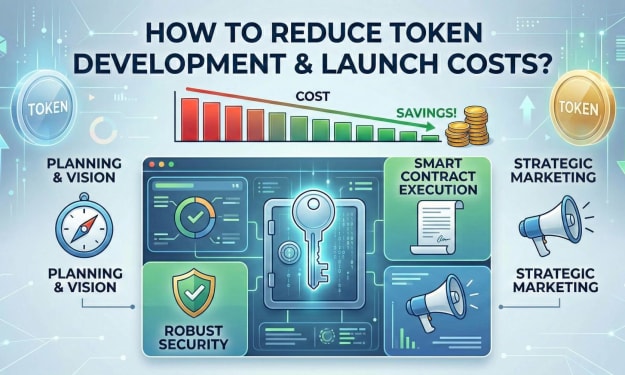
How to Reduce Crypto Token Development and Launch Costs?
Launching a crypto token often looks deceptively simple from the outside. Smart contracts can be deployed in minutes. Token standards are well documented. Marketing channels are accessible. Yet founders frequently discover that what seemed like a modest technical exercise turns into a six-figure undertaking. Development, audits, legal structuring, exchange listings, liquidity provisioning, branding, community management, and post-launch maintenance compound rapidly.
By Jennifer Atkinson5 days ago in The Chain
Crypto Coin: Architecture, Utility Models, and Market Dynamics Explained
The term Crypto coin refers to a native digital asset that operates on its own blockchain infrastructure, functioning as a medium of exchange, store of value, and programmable financial instrument. Unlike tokens that are deployed on existing chains, a Crypto coin underpins its network’s consensus, incentivization, and transaction validation layers. Understanding how a Crypto coin operates requires a multi-dimensional perspective that includes cryptographic security, economic design, governance structures, and regulatory implications.
By Siddarth D4 days ago in The Chain



Comments
There are no comments for this story
Be the first to respond and start the conversation.