
How Ethereum Tokens Are Revolutionizing Player Ownership in Gaming Startups
Discover how Ethereum tokens are transforming gaming startups by enabling true player ownership, enhancing monetization opportunities, and reshaping the gaming economy in the Web3 era.

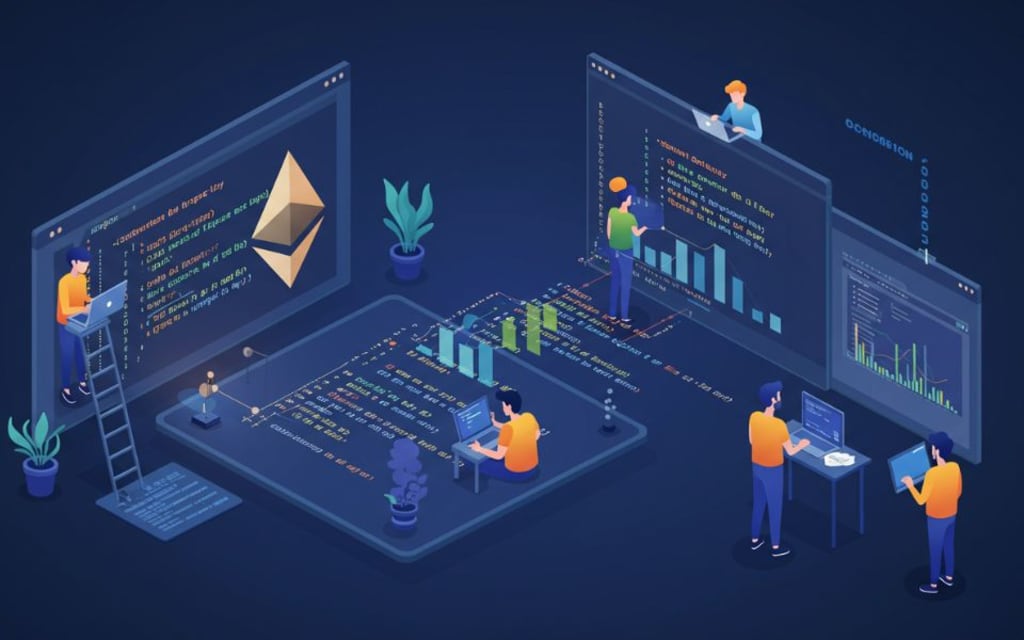
Ethereum tokens are digital assets built on the Ethereum blockchain. They represent various forms of value, from virtual currency to unique digital collectibles. Unlike traditional game items or currencies controlled by a single company, Ethereum tokens are decentralized, giving users true ownership and control. These tokens follow specific standards like ERC-20 for fungible tokens (interchangeable assets like coins) and ERC-721 for non-fungible tokens (unique assets like rare skins or collectibles). There’s also ERC-1155, a flexible standard combining both types in one. Ethereum tokens record every transaction on a public ledger, ensuring transparency, security, and authenticity. This makes them ideal for gaming startups seeking to create player-owned economies where assets can be freely traded, proven authentic, and hold real-world value beyond the game itself..
- ERC-20 tokens are the crowd favorites when it comes to fungible tokens. Think of them like game coins or currency; one token is exactly the same as another.
- ERC-721 tokens are the original non-fungible tokens (NFTs). These are one-of-a-kind collectibles or assets, such as rare swords, unique skins, or exclusive characters.
- ERC-1155 tokens bring the best of both worlds, allowing developers to create both fungible and non-fungible tokens efficiently under one standard.
Fungible vs. Non-Fungible Tokens in Gaming
Here’s a quick metaphor: fungible tokens are like dollars, you can swap one for another without losing value. Non-fungible tokens? They’re more like trading cards or rare baseball memorabilia, each with its own distinct value and story. This distinction is crucial for gaming startups looking to revolutionize player ownership and asset monetization.
The Backbone of Blockchain Gaming
Ethereum’s blockchain technology is the foundation of decentralized gaming. It allows games to operate without a central authority controlling assets or transactions. Smart contracts, self-executing codes, automate transactions, making trades and ownership changes fast, secure, and transparent. This removes the need for middlemen and builds trust among players and developers. By using Ethereum, gaming ecosystems become open and player-centric, allowing users to genuinely own their items, participate in game economies, and engage with communities in new ways. This decentralization is key to building fairer, more engaging games where players have real power.
Player Ownership: A Paradigm Shift
Blockchain gaming with Ethereum tokens offers a huge shift in player ownership. Traditionally, in-game items are controlled by game companies and can’t be traded or sold outside their platforms. With Ethereum tokens, players truly own their digital assets, with ownership recorded securely on the blockchain. This means players can transfer, trade, or sell items freely across different games or marketplaces. The blockchain also verifies the authenticity and history of each asset, preventing fraud. This shift empowers players, giving them more control and value over their gaming investments and creating a stronger connection between players and the game worlds they love.
Player Ownership: A Paradigm Shift
Traditional vs. Blockchain Gaming Ownership
Remember when you bought that awesome skin or a powerful weapon in a game, only to find out it was locked to your account? Or worse, lost forever if the game shuts down? That’s the old-school way, where players never truly owned their digital goods.
Blockchain gaming flips the script. With Ethereum tokens, players really own their in-game assets. Not just a license to use them, but actual ownership recorded on the blockchain. No more “renting” or “borrowing” game items; you have control, forever.
Empowering Players
One of the biggest wins of Ethereum tokens is how they put power back in players’ hands. With traditional games, your items usually stay stuck on one platform, but blockchain lets you take your assets anywhere. You can trade, sell, or use them across multiple games, making your digital belongings truly portable. Plus, thanks to blockchain’s transparent ledger, every item’s history and authenticity are recorded and easy to verify—no more worries about fake or duplicated items. This trust and freedom encourage players to engage more deeply with games and communities, knowing their assets have real value. It’s not just about playing anymore—it’s about owning, sharing, and building a gaming identity that follows you across platforms.
Case Studies of Player-Owned Assets
Some games are already proving the power of player-owned assets on Ethereum. Titles like Axie Infinity and Decentraland let players buy, sell, and trade unique NFTs representing characters, land, or collectibles. These games have shown how players can monetize their time and creativity, earning real money from in-game achievements. Early adopters report a stronger sense of ownership and community because their assets have real-world value outside the game. These success stories highlight the potential for startups to build new gaming economies where players aren’t just consumers but true stakeholders, shaping and benefiting from the games they love.
Monetization Models in the Blockchain Gaming Landscape
Token-Based Economies
Token-based economies are changing how players earn and spend in games. The popular play-to-earn model rewards players with tokens they can trade or sell, turning gaming into a real income source. These economies go beyond just playing; players can participate in in-game marketplaces, buying and selling assets with actual value. Secondary sales also give players opportunities to profit from rare or valuable items. For developers, token economies create vibrant, self-sustaining worlds where players feel invested. By aligning rewards with player effort, games keep users engaged longer and attract new audiences eager to earn while having fun.
Revenue Streams for Developers
Ethereum tokens open fresh revenue streams for game developers beyond just initial sales. Through token sales and in-game asset royalties, developers earn ongoing income every time players trade or sell items. This creates a continuous revenue flow, encouraging studios to keep improving and updating their games. Plus, by offering rewards tied to token ownership, developers can boost player participation and loyalty. When players have a stake in the game’s economy, they’re more likely to stay engaged and promote the game within their communities. This model benefits both sides: developers build sustainable businesses, and players enjoy fair rewards for their time and effort.
Cross-Game and Cross-Platform Economics
One of Ethereum’s most exciting promises is making tokens work across multiple games and platforms. Instead of assets locked inside one game, interoperability lets players bring items or currency from one title into another. Imagine owning a sword you can use in different worlds or trading skins that work on several platforms. This interconnected economy increases the value of assets and creates a unified gaming experience. For startups, it means designing games that connect rather than compete, encouraging broader communities and longer player retention. Ethereum tokens are the building blocks for a future where gaming economies truly break down barriers.
The Rise of Gaming Guild Tokens
What Are Gaming Guild Tokens?
Gaming guild tokens are digital assets created and issued by gaming guilds groups of players who team up to share resources, rewards, and strategies. These tokens often offer more than just symbolic value; they grant access to exclusive in-game content, special rewards, or voting rights in guild decisions. Guild tokens help players participate in larger communities while earning passive income through staking or rewards programs. For developers, partnering with guilds can boost player engagement and retention by fostering stronger, more connected player networks. These tokens are fast becoming powerful tools for building vibrant gaming ecosystems.
Benefits for Players and Developers
Gaming guild tokens offer perks for both players and developers. Players gain access to exclusive content, special events, and rewards not available elsewhere, making gameplay more exciting. Some tokens let players stake their assets to earn passive income, creating new earning opportunities even while not actively playing. For developers, guild tokens help build stronger communities and improve player retention by encouraging cooperation and long-term involvement. Additionally, these tokens often come with decentralized governance features, letting players have a real say in how the game or guild operates. This shared control fosters trust and loyalty, turning casual gamers into passionate advocates and creating a win-win environment for everyone involved.
Real-World Examples
Several gaming guilds have already shown how effective guild tokens can be. For instance, Yield Guild Games uses its tokens to let members pool resources and invest in in-game assets, generating income together. These guilds help players access games that might be costly to enter alone, leveling the playing field. Many guilds also provide training and support, boosting player skill and engagement. The success of these groups has improved player retention and built strong communities around blockchain games. Their experience highlights how guild tokens can transform social and economic dynamics in gaming, making the ecosystem richer and more sustainable.
Building a Strong Foundation for Web3 Gaming Success
Designing a Stable In-Game Economy
A successful Web3 game needs an economy that works just as well in year three as it does on launch day. One key strategy is to minimize wild token price swings by controlling supply, managing demand, and creating consistent in-game uses for tokens. Rewards should feel valuable but not so generous that they hurt the game’s economy in the long run. Think of it like running a city players need steady jobs (earning opportunities) and fair taxes (token sinks) to keep everything balanced.
Ensuring Security and Trust
In blockchain gaming, one bad hack can ruin years of hard work. That’s why strong smart contract security is non-negotiable. Audits, bug bounties, and secure coding practices help prevent costly exploits. Transparency builds trust players should know how tokens work, where funds are stored, and what happens in emergencies. A secure and open approach reassures players their assets are safe, keeping them loyal and engaged.
Expanding Player Adoption and Engagement
Many gamers still shy away from blockchain because it sounds complex or risky. The fix? Make blockchain features so simple they fade into the background. That means easy wallet setups, familiar payment methods, and clear instructions without crypto jargon. Combine this with rewards for participation, educational content, and a vibrant community culture, and you’ll turn curious newcomers into long-term supporters.
Market Trends and Data Insights
Blockchain Gaming Market Growth
Blockchain gaming is booming, with market growth projected to surge in the coming years. More players are attracted by the chance to earn while gaming and truly own their in-game items. Regions like Asia and North America are leading the charge, driven by strong crypto adoption and tech innovation. Startups tapping into this trend have huge opportunities to reach engaged audiences hungry for new experiences. As blockchain tech becomes more scalable and user-friendly, the market will only grow faster, turning blockchain gaming from a niche into mainstream entertainment.
Ethereum's Dominance in Blockchain Gaming
Ethereum continues to lead the blockchain gaming space thanks to its strong developer community and robust infrastructure. Many popular blockchain games are built on Ethereum because it offers reliable smart contracts and wide token support like ERC-20 and ERC-721 standards. While newer blockchains offer lower fees, Ethereum’s security and ecosystem size keep it the top choice for startups. This dominance means developers have access to many tools and marketplaces, speeding up game development and player adoption. Ethereum-based games have also set benchmarks in player engagement and token economy design, showing the platform’s power in creating successful blockchain gaming experiences.
Player Engagement and Economic Impact
Blockchain games powered by Ethereum see growing player engagement, with thousands of daily active users trading, battling, and earning tokens. These games offer real economic opportunities, especially in developing regions where players can monetize their skills and time. By turning gaming into a source of income, blockchain games are reshaping the way players interact with digital worlds. This shift not only attracts more players but also encourages deeper investment in the game’s ecosystem. As transaction volumes rise, the economic impact spreads, creating new jobs and communities around blockchain gaming.
Unlocking the Next Wave of Blockchain Gaming Growth
Innovations Driving Player Engagement
The future of blockchain gaming is all about keeping players hooked and new tech is making that easier than ever. Interactive NFTs and dynamic in-game assets evolve based on how you play, making your character or gear truly unique. Add AI-driven personalization, and suddenly every quest, challenge, or reward feels tailor-made for you. It’s like having a game that learns your style and grows with you.
Expanding the Player Economy
Player economies are no longer limited to in-game shops. With tokenized tournaments, players can win real rewards for their skills, turning competitive gaming into a serious income stream. Cross-platform asset portability means your rare sword or exclusive skin can travel with you across games imagine earning loot in one title and using it in another without losing value.
Partnerships Fueling the Ecosystem
Big growth comes when the gaming world and blockchain networks join forces. Collaborations between game studios and blockchain platforms bring better tech, bigger audiences, and smoother gameplay. Brand sponsorships and community-led projects add even more fuel, creating a vibrant ecosystem where players, creators, and developers all benefit. The result? A gaming future that’s more connected, rewarding, and exciting than ever.
Strategic Guidance for Gaming Startups
Planning for Token Integration
For gaming startups, careful planning is key when adding Ethereum tokens. Choosing the right token standards, like ERC-20 for currency or ERC-721 for unique items, ensures smooth gameplay and wallet compatibility. Aligning token design with game mechanics and player goals helps create a balanced, fun economy. Early decisions on how tokens are earned, traded, and used shape player experience and long-term success. By planning token integration thoughtfully, startups can avoid costly redesigns and deliver seamless, rewarding gameplay that keeps players coming back.
Building a Sustainable Player-Centric Economy
Creating a player-focused economy is essential for lasting success in blockchain gaming. Startups need to balance monetization with player enjoyment, avoiding pay-to-win traps that can drive users away. Fair and transparent reward systems motivate players by rewarding skill, effort, and participation, not just spending. Tokenomics should encourage healthy trading, community growth, and ongoing engagement. When players feel valued and fairly treated, they stick around longer and contribute to the game’s economy. Building this trust helps create a vibrant ecosystem where players and developers benefit together.
Marketing and Community Building
Marketing blockchain games means more than just ads it’s about building a strong, active community. Transparency about token use and rewards helps earn player trust. Startups should engage users through social media, forums, and influencer partnerships to spread the word and gather feedback. Hosting events, giveaways, and challenges encourages participation and keeps excitement high. A loyal community is a game’s best asset, driving growth through word-of-mouth and shared enthusiasm. For gaming startups, investing in authentic, ongoing communication is key to building a passionate player base.
Conclusion: Embracing the Future of Gaming
Ethereum tokens are reshaping gaming startups by putting players first, giving true ownership, and unlocking new ways to earn. This player-centric approach builds trust, fairness, and vibrant economies that benefit everyone. Startups embracing Ethereum’s technology can create innovative, engaging games that attract and retain players in a fast-changing market. The future of gaming is decentralized, connected, and player-driven full of opportunity for those ready to innovate. Now’s the time for startups to dive into Ethereum tokens and lead the next gaming revolution.
About the Creator
Alexei
A blockchain token development specialist skilled in Solidity and Rust, building secure, compliant, and scalable digital assets, with strong experience in smart contracts, security audits, and DApp integration.
Top 10 Blockchain Development Companies in USA in the 2026 for Enterprise Innovation
Blockchain technology has moved far beyond cryptocurrencies. By 2026, enterprises across finance, healthcare, logistics, supply chains, and digital identity are using blockchain to create transparent, secure, and automated systems. According to industry forecasts, the global blockchain market is expected to surpass $90 billion by 2030, with the United States leading enterprise adoption.
By Nia Higginsa day ago in The Chain
Eco-Friendly Cryptocurrency: Building a Sustainable Future for Digital Finance
The rapid growth of digital assets has transformed global finance, but it has also raised serious concerns about environmental sustainability. Traditional blockchain networks—especially those relying on energy-intensive mining—have drawn criticism for their high electricity consumption and carbon footprint. In response, a new wave of innovation has emerged: eco-friendly cryptocurrency.
By Siddarth D4 days ago in The Chain
Why Didn't Anyone Tell Us
Men, move along. This is not for you. This is for the women. I was forty-five when I began menopause. It is pretty young for that to be going on in a woman’s life, but I had undiagnosed PCOS, my entire life. Thank you to all the gynecologists I had seen my entire life. That in itself should encourage women to keep seeking second opinions, especially when you are not getting correct answers or any at all.
By Alexandra Grant4 days ago in Humans

Comments
There are no comments for this story
Be the first to respond and start the conversation.