
How Enterprises Can Leverage Real World Asset Tokenization Offerings for Growth
Unlocking Liquidity, Expanding Markets, and Driving Innovation Through Real World Asset Tokenization
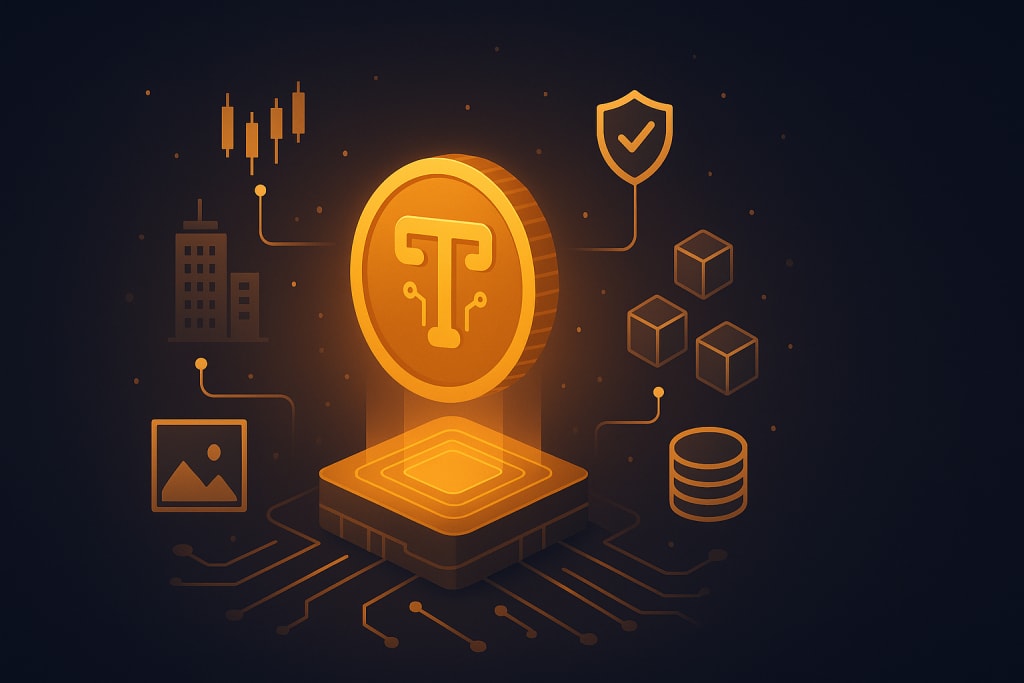
In recent years, enterprises across industries have been exploring blockchain technology not just as a buzzword but as a practical tool to unlock new opportunities. Among the most significant innovations to emerge from this space is Real World Asset (RWA) tokenization. The idea of converting tangible assets such as real estate, commodities, intellectual property, and even luxury collectibles into digital tokens on a blockchain is no longer experimental—it has become a mainstream offering. Enterprises that understand how to harness these tokenization solutions can create new revenue streams, streamline operations, and enhance their market positioning in ways traditional business models cannot achieve.
This blog explores how enterprises can leverage real world asset tokenization offerings for growth, outlining key use cases, benefits, and strategic pathways that can drive long-term success.
Understanding Real World Asset Tokenization
At its core, RWA tokenization involves creating digital representations of physical or traditional financial assets on a blockchain. These tokens are backed by the underlying asset, making them more than just speculative instruments. By bridging tangible value with digital innovation, tokenization allows enterprises to unlock liquidity, enable fractional ownership, and broaden access to traditionally exclusive markets.
For example, a commercial property worth millions can be tokenized into thousands of smaller tokens, allowing a wider pool of investors to participate without requiring large capital commitments. Similarly, commodities like gold or oil can be tokenized for easier trading and settlement across borders. This opens up unprecedented opportunities for enterprises to attract investors, expand into new markets, and optimize asset utilization.
Why Enterprises Should Pay Attention
Enterprises have long faced challenges around raising capital, managing assets efficiently, and reducing operational bottlenecks. Real world asset tokenization offerings directly address these issues by introducing liquidity, transparency, and accessibility into the equation.
Instead of relying solely on conventional financing methods such as bank loans or equity issuance, enterprises can leverage tokenized assets to create new fundraising channels. The blockchain-based infrastructure also ensures faster transactions, automated compliance through smart contracts, and reduced administrative costs. In an era where global competition is fierce, these advantages can provide enterprises with a critical edge.
Unlocking Liquidity Through Tokenization
One of the biggest advantages of tokenization offerings for enterprises is liquidity. Many traditional assets such as real estate, art, or private equity stakes are considered illiquid because they cannot be easily sold or transferred without significant time and cost. Tokenization changes this dynamic by converting these assets into tradable digital tokens.
For enterprises, this means they can monetize underutilized assets, access capital markets more efficiently, and attract a global base of investors. For example, a manufacturing company with large amounts of idle real estate can tokenize its property holdings to unlock capital without selling the entire asset. This newfound liquidity provides flexibility to reinvest in innovation, expand operations, or pay down debt—all crucial factors for growth.
Enhancing Accessibility With Fractional Ownership
Traditional investment models often require large capital commitments, creating barriers for smaller investors and limiting enterprises’ ability to diversify their investor base. Tokenization introduces fractional ownership, enabling assets to be divided into smaller, affordable units.
For enterprises, this translates into broader participation in fundraising efforts and greater democratization of access. A luxury brand can tokenize its art collection or rare items, allowing thousands of fans and collectors worldwide to hold fractional ownership. Similarly, real estate developers can attract retail investors alongside institutional ones, expanding the pool of stakeholders and reducing dependence on a small group of financiers.
This wider investor base not only brings in more capital but also fosters stronger community engagement, which can be a long-term advantage for enterprises.
Improving Transparency and Trust
Enterprises operate in an environment where trust is paramount, particularly in industries like finance, supply chain, and real estate. Blockchain technology underpins tokenization with features such as immutability, traceability, and transparency. Every transaction involving a tokenized asset is recorded on the blockchain, creating an auditable and tamper-proof history.
This transparency builds trust with investors, regulators, and customers. For instance, an enterprise in the commodities sector can tokenize its supply of natural resources, ensuring that buyers have complete visibility into the origin, quality, and ownership history of the asset. Similarly, enterprises in healthcare or pharmaceuticals can tokenize intellectual property or patents, providing clear proof of ownership and rights. By embedding trust directly into the system, tokenization reduces disputes, enhances compliance, and strengthens brand credibility.
Streamlining Operations With Smart Contracts
Another growth avenue for enterprises comes from the operational efficiency enabled by tokenization. Smart contracts—self-executing agreements coded into the blockchain—can automate processes such as dividend distribution, interest payments, or compliance checks.
For example, a company issuing tokenized bonds can use smart contracts to automatically pay investors interest on a specified schedule, reducing administrative overhead. Enterprises engaged in real estate tokenization can use smart contracts to manage rental payments and profit-sharing seamlessly. By reducing reliance on intermediaries, enterprises can lower costs, minimize delays, and focus resources on strategic growth initiatives rather than operational complexities.
Expanding Into Global Markets
Tokenization offerings also give enterprises the ability to transcend geographical boundaries. Traditional asset markets are often constrained by regulatory hurdles, regional market dynamics, and logistical challenges. By contrast, tokenized assets can be traded globally on digital platforms accessible to investors across continents.
This global reach not only enhances the visibility of enterprise offerings but also diversifies investor participation. A renewable energy company, for instance, can tokenize future carbon credits and attract investors worldwide who are interested in sustainability-focused assets. Similarly, real estate developers in emerging economies can reach global buyers without the complexities of cross-border financial transactions. For enterprises seeking growth, this expanded market access can be transformative.
Strengthening Enterprise Financing Models
Enterprises often depend heavily on conventional financing channels, which may limit flexibility and impose significant costs. Tokenization introduces innovative financing models that align more closely with modern market dynamics.
By issuing tokens backed by real assets, enterprises can raise capital without diluting equity or incurring excessive debt. These tokenized offerings can be tailored to investor preferences, such as income-generating tokens tied to rental income or appreciation-based tokens linked to property value growth. Such versatility allows enterprises to design financing structures that meet their needs while attracting diverse investor classes.
Building Strategic Partnerships
The adoption of real world asset tokenization offerings also opens opportunities for enterprises to forge strategic partnerships. Collaborating with blockchain service providers, fintech platforms, and tokenization specialists allows enterprises to build tailored solutions. These partnerships can enhance technical expertise, ensure regulatory compliance, and improve overall efficiency.
For example, a logistics company tokenizing its warehouse infrastructure can partner with a blockchain platform specializing in supply chain tokenization, creating integrated systems that improve both financing and operational management. Strategic partnerships ensure that enterprises are not just adopting tokenization but fully embedding it into their long-term growth strategies.
Real-World Examples of Enterprise Adoption
Several industries have already embraced RWA tokenization with measurable results. Real estate firms are tokenizing commercial properties to attract global investors and improve liquidity. Energy companies are tokenizing future production rights to raise funds for infrastructure projects. Even the luxury sector is experimenting with tokenized offerings for rare collectibles and fine art.
These real-world examples highlight that tokenization is not a theoretical concept but a practical tool enterprises are leveraging to drive revenue, expand markets, and strengthen stakeholder trust. The momentum suggests that enterprises ignoring this shift may risk falling behind more agile competitors.
Key Considerations for Enterprises
While the benefits are compelling, enterprises must approach tokenization offerings strategically. Regulatory compliance, investor protection, and robust technology infrastructure are essential for sustainable adoption. Enterprises should evaluate the type of assets best suited for tokenization, ensure alignment with market demand, and partner with experienced blockchain providers.
A thoughtful approach not only mitigates risks but also positions enterprises to maximize the growth potential of tokenization. Those who treat tokenization as a core business strategy rather than a peripheral experiment will likely realize the greatest long-term value.
Conclusion
Real world asset tokenization is no longer confined to the fringes of blockchain innovation. It has emerged as a practical, scalable, and impactful offering that enterprises can leverage for growth. By unlocking liquidity, enabling fractional ownership, building trust, streamlining operations, and expanding global reach, tokenization provides a powerful toolkit for businesses navigating an increasingly competitive landscape.
Enterprises that embrace tokenization offerings today are not just adopting a new technology—they are reshaping how assets are managed, traded, and valued in the modern economy. For organizations committed to innovation and growth, the opportunities are vast, and the time to act is now.
About the Creator
Keep reading
More stories from Lily Arthur and writers in The Chain and other communities.
How Secure Is Your Coin? The Hidden Side of Cryptocurrency Development
The rise of cryptocurrencies has transformed how businesses and individuals think about money, value, and digital ownership. With thousands of coins and tokens already in circulation and more being developed each day, the race to innovate is fierce. However, amid all the excitement about new launches and features, one critical question often goes unnoticed: how secure is your coin?
By Lily Arthur6 months ago in The Chain
The Global Race to Regulate Stablecoins: How Countries Are Shaping the Future of Digital Currency
The rapid rise of stablecoins marks a pivotal moment in the evolution of global finance. These digital assets—pegged to the value of fiat currencies like the US dollar or the euro—offer the promise of fast, low-cost transactions without the volatility associated with other cryptocurrencies. However, with their growing popularity, stablecoins have also triggered a regulatory dilemma that governments around the world are now racing to address.
By Siddarth D5 days ago in The Chain
Crypto Coin: Architecture, Utility Models, and Market Dynamics Explained
The term Crypto coin refers to a native digital asset that operates on its own blockchain infrastructure, functioning as a medium of exchange, store of value, and programmable financial instrument. Unlike tokens that are deployed on existing chains, a Crypto coin underpins its network’s consensus, incentivization, and transaction validation layers. Understanding how a Crypto coin operates requires a multi-dimensional perspective that includes cryptographic security, economic design, governance structures, and regulatory implications.
By Siddarth Dabout 13 hours ago in The Chain


Comments
There are no comments for this story
Be the first to respond and start the conversation.