
How Do You Market Security Tokens to Accredited and Institutional Investors?
Proven Strategies to Attract Accredited Investors and Institutions for Your Security Token Offering (STO)

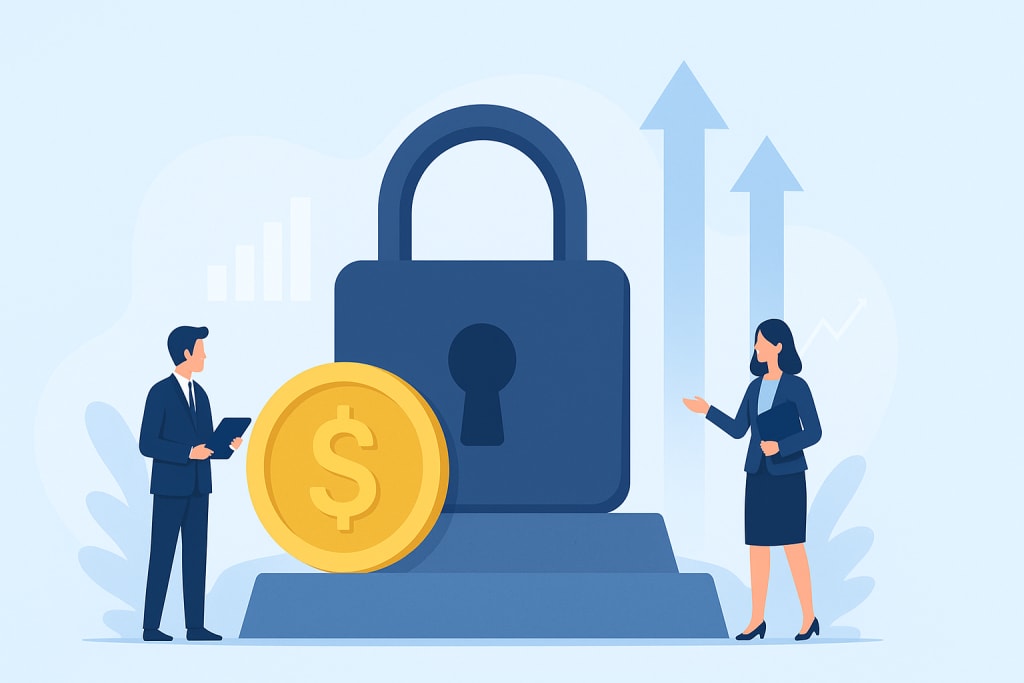
Security tokens have emerged as one of the most promising innovations in the blockchain space, enabling the tokenization of real-world assets such as equity, debt, real estate, and commodities. Unlike utility tokens, which grant access to products or services within a network, security tokens represent ownership rights and are subject to securities regulations. This compliance framework makes them particularly attractive to accredited and institutional investors, who are often looking for regulated, transparent, and legally enforceable investment vehicles.
However, marketing security tokens is fundamentally different from promoting utility tokens or cryptocurrencies. Since security tokens are treated as securities, projects must navigate strict regulatory requirements, avoid unregistered solicitation, and focus on investor education. Successfully attracting accredited and institutional investors requires a strategic approach that combines compliance, credibility, education, and targeted outreach. This article explores how to market security tokens effectively while meeting legal and investor expectations.
Understanding the Unique Needs of Accredited and Institutional Investors
Before diving into marketing strategies, it is crucial to understand the mindset of accredited and institutional investors. These investors are typically risk-averse, highly informed, and driven by data. They seek investments that are compliant with legal frameworks, offer clear value propositions, and provide predictable returns. Unlike retail investors who may be motivated by hype or speculation, institutional investors require a professional, transparent, and well-documented presentation of opportunities.
Accredited investors include high-net-worth individuals, family offices, and sophisticated investors who meet certain income or net-worth thresholds defined by securities regulators. Institutional investors include hedge funds, venture capital firms, pension funds, banks, and corporate investment arms. Both groups are accustomed to rigorous due diligence and expect professional-grade materials, including audited financials, legal documentation, and comprehensive risk disclosures.
Key Considerations in Marketing Security Tokens
1. Navigating Regulatory Compliance
The first and most important aspect of marketing security tokens development is regulatory compliance. Security token offerings (STOs) must adhere to jurisdiction-specific regulations such as the U.S. Securities and Exchange Commission (SEC) exemptions (Reg D, Reg S, Reg A+) or MiFID II requirements in Europe. Marketing materials must avoid making misleading claims or offering unregistered securities to unqualified investors.
Compliance also involves ensuring that only accredited and institutional investors have access to private placement materials and investment portals. This often requires implementing know-your-customer (KYC) and anti-money laundering (AML) procedures, as well as secure investor onboarding processes. Working with legal counsel experienced in securities law is essential to avoid regulatory pitfalls and protect the project from potential litigation.
2. Building Credibility and Trust
Institutional investors prioritize trust, and credibility is often the deciding factor in whether they invest. A professional approach to branding, documentation, and communication is critical. This includes publishing a detailed security token offering memorandum (STOM), audited financial statements, and a clear legal structure outlining investor rights, dividend distributions, and governance models.
Additionally, projects can enhance credibility by forming partnerships with reputable custodians, exchanges, and compliance platforms. Third-party audits of smart contracts, robust cybersecurity measures, and insurance coverage for tokenized assets also build confidence. Transparency should be prioritized, with regular updates on project milestones, financial performance, and governance decisions shared with investors.
3. Crafting a Strong Value Proposition
To capture investor interest, a security token must present a compelling value proposition. This involves clearly articulating the underlying asset, expected returns, liquidity opportunities, and risk profile. Investors need to understand how tokenization adds value compared to traditional securities — whether through fractional ownership, lower transaction costs, faster settlement times, or enhanced liquidity on secondary markets.
The messaging should highlight benefits relevant to institutional investors, such as compliance with securities regulations, portfolio diversification opportunities, and potential for yield generation. Case studies, market research, and financial projections can strengthen the pitch and demonstrate that the offering is backed by real-world fundamentals.
4. Creating High-Quality Investor Materials
Marketing security tokens to accredited and institutional investors requires professional-grade materials. These include:
- Investor Deck: A concise yet detailed presentation outlining the project, business model, revenue projections, legal structure, and competitive landscape.
- Offering Memorandum: A legally compliant document with full risk disclosures, tokenomics, governance details, and exit strategies.
- Explainer Videos: Professional videos simplifying complex tokenization concepts for investors less familiar with blockchain technology.
- Technical Documentation: Smart contract audits, platform architecture details, and cybersecurity protocols for technically sophisticated investors.
Professional design, clear language, and compliance review are crucial to making these materials investor-ready.
5. Targeted Investor Outreach
Generalized crypto marketing tactics, such as airdrops or influencer campaigns, are unsuitable for STOs. Instead, security token marketing must rely on targeted outreach to a qualified audience. This may include:
- Private Investor Roadshows: Exclusive events where the founding team presents the offering and answers investor questions.
- Webinars and Panel Discussions: Educational sessions featuring industry experts to build thought leadership and attract institutional attention.
- Direct Outreach to Family Offices and Funds: Personalized communication and relationship-building with accredited investors.
- Partnerships with Investment Platforms: Listing STOs on regulated security token exchanges or crowdfunding platforms that cater to institutional investors.
Targeted outreach ensures compliance and maximizes the chances of connecting with serious, qualified participants.
6. Thought Leadership and Education
Many accredited and institutional investors are still becoming familiar with tokenization and blockchain technology. Educational content plays a key role in bridging this knowledge gap and establishing the project as an authority in the space.
Publishing whitepapers, research reports, market insights, and regulatory analysis can position the project as a thought leader. Participating in conferences, panel discussions, and industry roundtables also increases visibility and credibility among professional investors. When investors see a project contributing to the broader ecosystem’s growth, they are more likely to view it as a long-term, credible partner.
7. Leveraging Digital PR and Media Coverage
Institutional investors often rely on trusted media outlets and research publications for information. Securing coverage in respected financial and blockchain media can significantly boost credibility. Press releases, sponsored articles, and interviews with project executives can highlight milestones such as regulatory approvals, partnerships, or token listings.
Additionally, projects can collaborate with analysts and data platforms to have their STOs featured in institutional-grade research reports, giving them exposure to a wider network of funds and investors.
8. Secondary Market Liquidity Strategy
Liquidity is one of the biggest concerns for institutional investors in security tokens. A well-planned secondary market strategy is essential to reassure investors that they can exit positions when needed. This may involve partnering with regulated security token exchanges, establishing market-making programs, or collaborating with custodians and transfer agents to enable compliant peer-to-peer transfers.
Communicating a clear liquidity plan in marketing materials signals to investors that the project has considered their long-term needs and is prepared to support a healthy trading ecosystem.
9. Measuring and Refining the Marketing Campaign
Like any investment campaign, security token marketing should include mechanisms for measuring performance and refining strategies. Key performance indicators (KPIs) might include investor inquiries, webinar attendance, roadshow participation, and funds committed.
Regular feedback from investors should be collected to improve messaging, documentation, and outreach strategies. This data-driven approach ensures that the marketing campaign remains effective, compliant, and aligned with investor expectations.
Challenges and Risks in Marketing Security Tokens
Marketing security tokens is not without its challenges. Regulatory uncertainty remains a major hurdle, as laws governing digital securities are still evolving in many jurisdictions. Missteps in compliance can result in fines, legal disputes, or forced shutdowns.
Additionally, the security token market is still relatively young, and liquidity may be limited compared to traditional exchanges. Educating investors about tokenization benefits, addressing security concerns, and managing expectations are critical to overcoming skepticism and building adoption.
The Future of Security Token Marketing
As tokenization gains momentum, the infrastructure supporting STOs — including regulated exchanges, custodians, and compliance platforms — will continue to mature. This will make it easier to market security tokens to accredited and institutional investors on a global scale.
Future marketing strategies are likely to incorporate advanced analytics, investor profiling, and AI-driven targeting to match offerings with suitable investor segments. As more high-profile STOs achieve successful exits and liquidity events, confidence among institutional investors will grow, further accelerating adoption.
Conclusion
Marketing security tokens to accredited and institutional investors requires a specialized, compliance-focused approach that goes far beyond traditional crypto promotion. By prioritizing regulatory adherence, building trust, crafting strong value propositions, and executing targeted investor outreach, projects can attract the sophisticated capital needed to scale.
Education, thought leadership, and secondary market liquidity strategies play a key role in reassuring investors and encouraging participation. As the security token ecosystem matures, projects that master the art of compliant, credible, and professional investor marketing will be well-positioned to lead the next wave of blockchain adoption.
About the Creator
Gabrielle
Blockchain enthusiast and NFT writer dedicated to merging technology with art on decentralized platforms, driving innovation for a creative future. Embracing the potential of digital expression.
Blockchain in Intellectual Property: How It’s Changing Ownership, Protection, and Licensing
Introduction Intellectual property (IP) is one of the most valuable assets in the modern economy. From music, films, and books to patents, trademarks, and software code, creators and businesses rely on IP laws to protect their work. However, traditional intellectual property systems are often slow, expensive, and difficult to enforce—especially in the digital age.
By saif ullah4 days ago in The Chain
Is Bitcoin a Good Investment? A Clear, Honest Look
Introduction Is Bitcoin a good investment? This question has been asked by beginners, professionals, skeptics, and institutions alike. Some see Bitcoin as the future of money. Others see it as risky and unpredictable. The truth lies somewhere in between.
By saif ullah5 days ago in The Chain




Comments
There are no comments for this story
Be the first to respond and start the conversation.