
From Dogecoin to Bonk: The Rise, Fall, and Future of Meme Coins
Elon Musk’s Tweets Sparked a Meme Coin Revolution—But Today’s Investors Need Sharper Instincts to Find the Next Big Thing.

It all began as a joke.
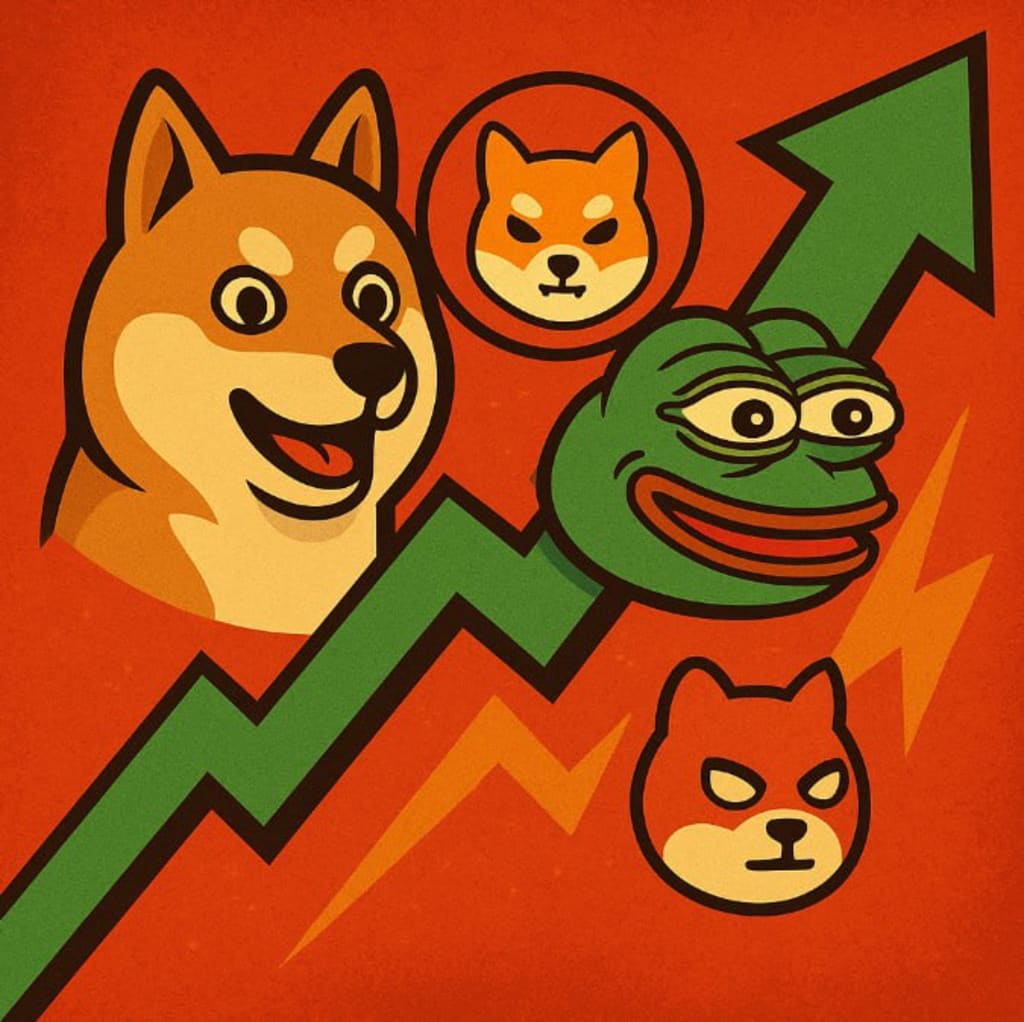
Dogecoin, a lighthearted parody of Bitcoin, was never intended to change the world of finance. Created in 2013 by software engineers Billy Markus and Jackson Palmer, the coin featured the smiling face of a Shiba Inu dog. An internet meme that represented everything playful and absurd about early online culture. Its original purpose? To poke fun at the growing number of altcoins flooding the crypto space, each claiming to solve some grand problem but often lacking substance.
For several years, Dogecoin quietly existed on the fringes of the cryptocurrency world. Enthusiasts used it to tip Reddit users or fund quirky projects like sending the Jamaican bobsled team to the Winter Olympics. It was charming but insignificant in the broader financial landscape.
But everything changed when one of the world’s richest and most influential tech entrepreneurs discovered it.
Musk and the Rise of Doge
Elon Musk SpaceX founder, Tesla CEO, and at the time, an increasingly chaotic Twitter user—first crossed paths with Dogecoin in 2018. Back then, Twitter was plagued by crypto scam bots impersonating celebrities to promote fake giveaways. Musk, frustrated with the impersonators, reached out to Dogecoin co-creator Jackson Palmer for help combating the scams. Though that exchange was relatively mundane, it marked the beginning of Musk’s long-running fascination with the meme coin.
In 2019, Musk’s playful engagement with Dogecoin began driving real financial impact. He famously tweeted, “Dogecoin might be my fav cryptocurrency. It’s pretty cool,” in response to a community poll jokingly nominating him as the coin’s CEO. That single tweet sent Dogecoin’s price surging, proving the power of his social media reach.
But the real frenzy erupted in 2020 and 2021. Amidst a global bull run in risk assets and a pandemic-fueled retail trading boom, Musk leaned fully into his Dogecoin fandom. He adopted the self-styled moniker “The Dogefather,” shared countless memes, and frequently referenced the coin during interviews and online banter. The most famous moment came with his 2021 appearance on “Saturday Night Live,” where he referenced Dogecoin during his monologue. Though the coin’s price initially surged to an all-time high of $0.73, the episode also marked the beginning of a temporary downturn as speculative hype began to cool.
Throughout this period, Musk maintained that his Dogecoin obsession was largely for fun. He repeatedly reminded his audience that his support was not financial advice, nor was he attempting to pump the market. Nevertheless, the financial impact was undeniable. Dogecoin's market cap surpassed tens of billions of dollars, making it one of the largest cryptocurrencies in the world.
Meme Mania Explodes
Dogecoin's astonishing rise opened the floodgates for imitators. Meme coin projects with playful themes, animal mascots, and low technical ambitions proliferated across various blockchains. Some, like Shiba Inu (SHIB), gained serious traction. SHIB, which branded itself as the “Dogecoin killer,” saw explosive growth in 2021 and made some early adopters multimillionaires almost overnight. Others, like Pepe (PEPE), tapped into other internet subcultures, riding waves of viral humor to short-lived success.
But for every successful meme coin, dozens. If not hundreds. Of copycats launched, pumped briefly, and disappeared without a trace. Rug pulls, liquidity scams, and abandoned projects became common, leaving many retail investors holding worthless tokens. Meme coins had transformed from a quirky corner of crypto into a chaotic, high-risk casino.
The Bonk Era and the Changing Game
In late 2023 and into 2024, the next chapter of meme coins began with the rise of Bonk (BONK), a Solana-based meme coin. Bonk reinvigorated the meme coin market by leveraging Solana’s fast transaction speeds and low fees, allowing for rapid adoption and decentralized community growth. Its airdrops to NFT communities and clever marketing brought meme coins back into the spotlight.
Following Bonk's success, meme coin launches began exploding across multiple blockchains—Ethereum, Solana, Base, and even Layer 2 solutions. Now, dozens of meme coins could launch in a single day. Entire ecosystems formed around meme culture: meme coin marketplaces, meme-themed NFT collections, and social trading platforms emerged to cater to this niche.
But the market was no longer the same. Investors quickly realized that simply throwing money at any meme coin didn’t guarantee Dogecoin-like returns. Early 2021’s indiscriminate hype had given way to a more competitive and fragmented landscape. Many tokens failed to generate traction beyond their initial launch, and without sustained community engagement or viral momentum, they faded fast.
The New Reality: Skill Over Hype
Today, the meme coin market remains one of crypto’s most unpredictable sectors. While some still enjoy life-changing pumps, the era of easy money is largely gone. Now, success requires more than luck; it demands careful observation, timing, and an understanding of market psychology.
Investors who succeed in this environment tend to share a few key traits. They monitor online communities closely. Especially X (formerly Twitter), Telegram groups, and Discord servers. Where meme coin narratives first emerge. They look for signs of organic community growth, developer transparency, and creative marketing strategies that resonate beyond short-term hype.
They also understand that meme coins are driven not by utility, but by culture. The strongest projects tap into shared internet humor, nostalgia, or subcultural identity. When done right, this creates a powerful viral loop where the meme itself becomes the product.
But even with all this insight, the meme coin market remains highly speculative. Investors must be prepared for extreme volatility and the very real possibility of losing their entire investment. Timing the exit is just as important as picking the right coin.
What Comes Next?
The meme coin market is unlikely to disappear anytime soon. As long as internet culture thrives on humor, absurdity, and collective in-jokes, there will be demand for meme coins. But the gold rush mentality has faded. Now, it’s about skillfully identifying the few projects that can break through the noise.
In our next article, we’ll explore how to develop these skills. What factors to watch for, which community signals matter most, and how to avoid the most common pitfalls of meme coin investing.
Until then, remember: memes move markets. But only if you know how to read them.
About the Creator
Blockchain in Intellectual Property: How It’s Changing Ownership, Protection, and Licensing
Introduction Intellectual property (IP) is one of the most valuable assets in the modern economy. From music, films, and books to patents, trademarks, and software code, creators and businesses rely on IP laws to protect their work. However, traditional intellectual property systems are often slow, expensive, and difficult to enforce—especially in the digital age.
By saif ullah4 days ago in The Chain
Is Bitcoin a Good Investment? A Clear, Honest Look
Introduction Is Bitcoin a good investment? This question has been asked by beginners, professionals, skeptics, and institutions alike. Some see Bitcoin as the future of money. Others see it as risky and unpredictable. The truth lies somewhere in between.
By saif ullah6 days ago in The Chain



Comments
There are no comments for this story
Be the first to respond and start the conversation.