
Decoding Tokenomics: How Token Economics Drive Innovation in Web3 Projects
Exploring the role of token design, distribution, and incentives in building sustainable decentralized ecosystems.


In the emerging Web3 ecosystem, financial systems, governance, and digital asset ownership are no longer exclusively controlled by centralized institutions. At the core of this transformation is tokenomics, the discipline concerned with designing and managing the economic structure of a project’s token. Tokenomics functions as the engine that drives participation, incentivizes engagement, and sustains ecosystem growth.
A meticulously designed tokenomic framework is essential for project success. Ineffective token economics can result in instability, reduced user engagement, and erosion of trust. Conversely, robust tokenomics promotes innovation, cultivates a dedicated user base, and establishes sustainable value. Understanding tokenomics is therefore critical for leveraging the full potential of decentralized technologies.
Understanding Tokenomics: The Foundation of Web3 Innovation
Tokenomics encompasses the principles governing token creation, distribution, and utilization within blockchain ecosystems. Tokens may represent currency, governance rights, access to services, or other forms of digital assets. Tokenomics defines their operational dynamics, including mechanisms for allocation, consumption, and value regulation.
Consider tokenomics as the operational framework of a digital ecosystem. Just as a well-structured system ensures clarity and fairness in traditional organizations, tokenomics establishes governance rules, reward mechanisms, and incentives that align stakeholders’ interests. When effectively implemented, it facilitates participation, fosters trust, and supports long-term ecosystem sustainability.
The Role of Token Economics in Decentralized Systems
Decentralization is central to Web3, and token economics functions as its structural framework. Unlike centralized systems, where authority is concentrated, decentralized ecosystems utilize tokens to distribute influence, rights, and responsibilities among participants. For example, governance tokens empower holders to vote on protocol changes, while utility tokens facilitate network operations and transactional activities.
Through well-designed incentive structures, token economics encourages behaviors that advance ecosystem objectives. It motivates developers to enhance the platform, engages users in meaningful participation, and enables communities to contribute to governance decisions. In essence, token economics not only supports decentralized systems it ensures their operational efficacy and long-term viability.
Why Tokenomics is Essential for Web3 Project Success
The success of a Web3 initiative relies not solely on technological advancement but critically on the architecture of its token economics. Tokenomics establishes a strategic framework that aligns incentives across developers, users, and investors, thereby ensuring all stakeholders actively contribute to the ecosystem’s growth and stability.
Inadequate tokenomic structures can result in challenges such as limited adoption, market volatility, or misalignment of stakeholder objectives. In contrast, meticulously designed tokenomics enhances user engagement, network expansion, and long-term project viability. By articulating clear roles, utility, and mechanisms for tokens, projects can reinforce credibility, cultivate trust, and develop sustainable decentralized networks.
The Fundamentals of Tokenomics
Defining Tokenomics: Beyond the Token
Tokenomics extends beyond the issuance of digital tokens; it represents the comprehensive economic architecture that governs token creation, distribution, and utilization. It defines how value is generated, circulated, and preserved within the ecosystem, ensuring operational efficiency while incentivizing stakeholder participation.
Core Components of Token Economics
Token Utility: Purpose and Functionality
Each token must possess a well-defined function, whether to facilitate transactions, enable platform access, or empower governance. Clear utility drives adoption by delivering tangible value to participants.
Token Supply Models: Fixed, Inflationary, and Deflationary
Supply mechanisms impact scarcity, valuation, and market dynamics. Fixed supply provides predictability, inflationary models stimulate network growth, and deflationary structures can enhance long-term token value.
Demand Drivers: Market Forces and Participant Engagement
Demand emerges from practical applications, platform utilization, and network effects. Tokens acquire value when participants recognize utility and actively engage with the ecosystem.
Incentive Structures: Rewarding Participation and Contribution
Strategically designed incentives encourage consistent engagement and contribution. Rewards may include staking yields, governance rights, or access to exclusive features.
Tokenomics: A Strategic Necessity
Mastering these fundamentals enables Web3 initiatives to design robust, scalable, and sustainable ecosystems that balance value creation with long-term stability. A deliberate tokenomic strategy is not optional; it is a critical determinant of success in decentralized environments.
Types of Tokens and Their Roles
In the Web3 ecosystem, tokens are not merely digital assets; they constitute the structural framework that governs interaction, value exchange, and governance within decentralized networks. Each token type serves a specific strategic purpose, whether facilitating platform functionality, enabling participatory governance, providing investment opportunities, or ensuring transactional stability. A clear understanding of these distinctions is essential for constructing a robust and effective tokenomic architecture.
1. Utility Tokens: Enabling Ecosystem Functionality
Utility tokens are designed to facilitate interactions within a blockchain ecosystem. They grant access to services, products, or network features, effectively functioning as the operational “fuel” that powers decentralized platforms. By providing tangible utility, these tokens incentivize active participation, stimulate network activity, and support sustainable ecosystem growth.
2. Governance Tokens: Facilitating Decentralized Decision-Making
Governance tokens empower holders to participate in protocol decisions, including system upgrades, parameter adjustments, and resource allocation. These tokens embody decentralized governance principles, ensuring community stakeholders can influence the project’s strategic direction and operational policies.
3. Security Tokens: Representing Ownership and Investment
Security tokens are digital representations of financial instruments, such as equity, debt, or revenue-sharing rights. They are regulated assets that provide investors with legally enforceable claims. Security tokens bridge traditional financial systems with blockchain technology, offering enhanced investment opportunities, liquidity, and regulatory compliance.
4. Stablecoins: Mitigating Volatility in Digital Transactions
Stablecoins are tokens pegged to stable assets, such as fiat currencies or commodities. Their primary function is to maintain price stability, facilitating secure transactions, settlements, and value storage within decentralized networks. Stablecoins play a pivotal role in enabling reliable commerce and minimizing financial risk in volatile markets.
5. Non-Fungible Tokens (NFTs): Unique Digital Assets
NFTs represent unique, indivisible digital assets that confer verifiable ownership of items such as art, collectibles, or intellectual property. Utilizing blockchain immutability, NFTs ensure provenance, scarcity, and value recognition, creating new opportunities for creators, collectors, and investors in the digital economy.
Strategic Implications of Token Classification
Selecting the appropriate token type is a critical strategic decision that influences adoption, governance, and long-term viability. Each token category entails distinct regulatory, economic, and functional considerations, which must be meticulously integrated into a project’s overarching tokenomic model.
Designing Effective Tokenomics Models
The effectiveness of a Web3 project depends largely on the deliberate design of its tokenomics. A well-structured model aligns token utility, supply, and governance with the project’s strategic objectives, ensuring sustainable growth and ecosystem stability. Designing tokenomics is not merely a technical exercise; it is a strategic discipline that balances economic incentives with long-term value creation.
Aligning Tokenomics with Project Goals and Vision
The foundation of any successful tokenomic model lies in its alignment with the project’s overarching goals. Tokens must reinforce the mission, incentivize desired behaviors, and reflect the long-term vision. This alignment ensures that all participants developers, investors, and users are motivated to contribute to ecosystem development.
Balancing Token Supply and Demand for Stability
Maintaining equilibrium between token supply and demand is critical to sustaining market stability. Excessive supply can lead to depreciation, while scarcity may limit adoption. Strategic modeling of supply mechanisms, whether fixed, inflationary, or deflationary, ensures that token value is preserved and ecosystem growth is supported.
Creating Incentive Mechanisms that Drive Participation
Incentive structures are central to user engagement and ecosystem expansion. By providing clear rewards for participation, such as staking returns, governance privileges, or access to premium features, projects can encourage consistent interaction and sustained contribution from community members.
Implementing Governance Structures Reflective of Community Interests
Decentralized governance is a cornerstone of Web3. Designing governance mechanisms that allow stakeholders to influence decisions fosters transparency, accountability, and trust. Governance models should be structured to balance influence, prevent concentration of power, and empower meaningful community participation.
Case Study: Successful Tokenomics Models in Leading Web3 Projects
Numerous leading Web3 projects demonstrate the efficacy of strategic tokenomic design. By integrating purpose-driven utility, balanced supply, robust incentive mechanisms, and participatory governance, these projects have achieved sustainable growth, high engagement, and strong network effects, establishing industry benchmarks for future initiatives.
Token Distribution Strategies
Effective token distribution is a critical component of a successful tokenomics model. It determines how tokens enter the ecosystem, ensures fair allocation, and incentivizes both early adopters and long-term participants. A strategic distribution framework balances accessibility, engagement, and market stability while supporting the project’s growth objectives.
Initial Coin Offerings (ICOs) and Token Sales
ICOs and structured token sales provide a primary mechanism for raising capital and distributing tokens to investors. These events establish early liquidity, attract strategic participants, and generate funding for development and expansion. Meticulously planned sales with clear terms and vesting schedules mitigate risks of market volatility and speculative behavior
Airdrops and Community Incentives
Airdrops and community incentive programs are designed to reward engagement and build a loyal user base. By distributing tokens to active participants or early supporters, projects can accelerate adoption, create network effects, and strengthen community involvement. These mechanisms must be carefully structured to maintain fairness and avoid diluting token value.
Staking and Yield Farming: Encouraging Long-Term Engagement
Staking and yield farming programs incentivize participants to lock tokens within the ecosystem in exchange for rewards. These mechanisms promote long-term commitment, reduce circulating supply, and stabilize token value, while simultaneously enhancing network security and activity.
Vesting Schedules and Lock-Up Periods: Managing Token Release
Structured vesting schedules and lock-up periods are essential to prevent market oversaturation and preserve token value. By releasing tokens gradually to founders, team members, and early investors, projects ensure alignment with long-term objectives and discourage premature liquidation that could destabilize the ecosystem.
Case Study: Analysis of Token Distribution in Successful Projects
Leading Web3 initiatives exemplify how strategic token distribution can drive sustainable growth. By combining structured sales, community incentives, staking programs, and phased releases, these projects maintain balanced supply, foster engagement, and cultivate resilient, value-driven ecosystems.
Tokenomics and Legal Considerations
The legal framework surrounding tokenomics is a critical factor in the development and sustainability of Web3 projects. Compliance with regulatory requirements ensures that tokens are legally recognized and mitigates potential risks for developers, investors, and participants. Legal diligence reinforces credibility and establishes a secure foundation for long-term ecosystem growth.
Regulatory Landscape for Token Issuance and Trading
Token issuance and trading are subject to complex regulatory frameworks that vary across jurisdictions. Projects must navigate securities regulations, anti-money laundering (AML) requirements, and other financial oversight mechanisms to ensure lawful operation. Awareness and adherence to these frameworks reduce legal exposure and foster market confidence.
Compliance with Securities Laws and Financial Regulations
Security tokens, in particular, are regulated as financial instruments in many jurisdictions. Compliance includes registration, reporting obligations, and investor protection measures. Projects must establish clear legal structures and operational protocols to align with national and international financial regulations.
Legal Implications of Tokenomics Models
Different tokenomic models utility, governance, security, or stablecoin, carry distinct legal implications. Misclassification or improper design can result in regulatory sanctions or litigation. Careful legal assessment ensures that token function, distribution, and governance adhere to applicable laws while maintaining operational flexibility.
Best Practices for Navigating Legal Challenges in Tokenomics
- Engage Legal Experts Early: Integrate legal counsel during token design to preempt regulatory issues.
- Maintain Transparent Documentation: Clearly define token purpose, distribution, and governance mechanisms.
- Monitor Jurisdictional Changes: Continuously assess evolving regulations to ensure ongoing compliance.
- Implement Robust Governance Structures: Ensure decision-making and operational protocols meet legal standards and support accountability.
The Impact of Tokenomics on Web3 Innovation
Tokenomics serves as a pivotal mechanism driving the advancement of Web3 ecosystems. By strategically structuring incentives, governance frameworks, and value distribution, tokenomics enables decentralized networks to function efficiently, enhances community participation, and facilitates the emergence of innovative business paradigms. Its influence extends beyond technological infrastructure, fundamentally redefining value creation, ownership, and collaboration in digital ecosystems.
Facilitating Decentralization and Community Stewardship
Strategically designed tokenomics empowers stakeholders to participate in governance, mitigating reliance on centralized authorities. Tokens allocate influence, promote collaborative engagement, and establish distributed ownership of network resources, thereby reinforcing transparency, accountability, and trust within the ecosystem.
Optimizing Peer-to-Peer Transactions and Smart Contract Automation
Tokenized networks enable direct peer-to-peer transactions without intermediaries. By embedding programmable logic through smart contracts, tokens automate processes, enforce agreements, and minimize operational friction, increasing efficiency and ensuring transactional integrity.
Enabling Innovative Business Models and Revenue Streams
Tokenomics underpins the development of novel monetization strategies, from play-to-earn gaming and decentralized finance (DeFi) to fractionalized asset ownership. By aligning economic incentives with user engagement, projects can unlock liquidity, optimize revenue streams, and expand market participation.
Case Study: Transforming Traditional Industries through Tokenomics
Industries such as finance, real estate, and gaming have leveraged tokenomics to restructure conventional paradigms. Through digital asset ownership, incentive alignment, and decentralized governance, these initiatives have demonstrated enhanced accessibility, operational efficiency, and stakeholder engagement, illustrating the transformative potential of meticulously designed token economies.
Real-World Applications and Case Studies
Tokenomics delivers measurable value across diverse sectors by integrating digital assets, incentive frameworks, and decentralized governance. Its strategic implementation optimizes liquidity, enhances market accessibility, and enables innovative engagement models. Examining real-world applications demonstrates how meticulously designed tokenomics can drive operational efficiency and broaden stakeholder participation.
Tokenization in Real Estate: Expanding Investment Accessibility
Real estate tokenization allows fractional ownership of properties, enabling investors to participate with reduced capital requirements. This approach improves market liquidity, facilitates automated revenue distribution, and enhances overall asset management, creating a more inclusive and efficient investment landscape.
Tokenization in Art: Democratizing Access to Cultural Assets
The art sector benefits from tokenomics by enabling fractional ownership, verifying provenance, and generating new monetization channels for creators. Digital tokens increase transparency, security, and engagement, transforming traditional models of art ownership and collection.
Tokenization in Finance: Optimizing Liquidity and Market Participation
Tokenized financial assets streamline cross-border transactions, reduce operational complexity, and allow fractional investment opportunities. By applying tokenomics strategically, institutions can enhance liquidity, expand access, and develop innovative financial instruments while maintaining regulatory compliance.
Tokenization in Gaming: Establishing Play-to-Earn Ecosystems
Gaming platforms leverage tokenomics to implement play-to-earn models, incentivizing sustained engagement and rewarding users with valuable digital assets. This model fosters user retention, unlocks new revenue streams, and cultivates dynamic, economically active gaming ecosystems.
Case Study: High-Impact Tokenization Initiatives
Successful tokenization projects illustrate significant benefits, including enhanced liquidity, increased market participation, and strengthened stakeholder engagement. These examples provide actionable insights into how professional tokenomic strategies can transform traditional industries while supporting scalability and sustainability.
Tokenomics and Sustainable Community Building
Sustainable community engagement is a fundamental pillar of strategic tokenomics. By integrating incentive alignment, transparent governance frameworks, and trust-enhancing mechanisms, tokenomic models can foster active, long-term participation. Meticulously designed systems ensure stakeholders remain engaged, invested, and committed to the project’s development and growth objectives.
Strategic Incentive Alignment for Long-Term Participation
Tokenomics aligns rewards with targeted behaviors, promoting sustained contribution and engagement. Mechanisms such as staking, performance-based rewards, and loyalty programs reinforce stakeholder commitment, cultivate ownership, and enhance the ecosystem’s overall vitality.
Enhancing Trust and Transparency Through Token Architecture
Professional token design strengthens credibility and accountability. Explicitly defined distribution schedules, governance protocols, and functional utility frameworks enable stakeholders to comprehend system operations, fostering confidence and supporting ethical, value-driven engagement.
Case Study: Community-Oriented Token Models
Exemplary Web3 initiatives illustrate that community-centric token models significantly improve adoption, retention, and long-term engagement. By embedding structured incentives, participatory governance, and transparent communication, these projects establish resilient ecosystems and provide replicable frameworks for sustainable stakeholder collaboration.
The Role of Tokenomics in Web3 Marketing
Tokenomics functions as both an operational framework and a strategic instrument for positioning and audience engagement within Web3 ecosystems. By implementing meticulously structured token models, projects can attract participants, enhance retention, and reinforce brand credibility, all while ensuring compliance with governance and regulatory standards.
Strategic Utilization of Tokenomics for User Acquisition and Retention
Professionally designed token distribution and incentive mechanisms optimize user onboarding and long-term engagement. Reward systems for participation, contribution, and advocacy convert users into committed stakeholders, fostering sustained ecosystem growth and robust community integration.
Reinforcing Brand Loyalty Through Token-Based Incentives
Tokens operate as mechanisms of value alignment between projects and stakeholders. Structured rewards, access privileges, and participatory governance opportunities cultivate a sense of ownership, strengthen loyalty, and incentivize continuous engagement within the platform.
Case Study: Tokenomics-Driven Marketing Efficacy
Exemplary Web3 initiatives demonstrate that integrating tokenomics into marketing strategies enhances both acquisition and retention metrics. By embedding economic incentives within user experiences, these projects achieve measurable engagement, deepen community participation, and establish resilient, sustainable ecosystems capable of supporting long-term scalability.
Conclusion
Tokenomics is a transformative cornerstone of Web3, enabling projects to strategically align incentives, governance, and value distribution to drive innovation, stakeholder engagement, and sustainable growth. By implementing meticulously designed token models, organizations can optimize liquidity, foster community participation, and unlock novel business opportunities, establishing scalable and resilient ecosystems that redefine ownership, collaboration, and economic interaction in the decentralized digital landscape.
About the Creator
Alexei
A blockchain token development specialist skilled in Solidity and Rust, building secure, compliant, and scalable digital assets, with strong experience in smart contracts, security audits, and DApp integration.
Crypto Coin: Architecture, Utility Models, and Market Dynamics Explained
The term Crypto coin refers to a native digital asset that operates on its own blockchain infrastructure, functioning as a medium of exchange, store of value, and programmable financial instrument. Unlike tokens that are deployed on existing chains, a Crypto coin underpins its network’s consensus, incentivization, and transaction validation layers. Understanding how a Crypto coin operates requires a multi-dimensional perspective that includes cryptographic security, economic design, governance structures, and regulatory implications.
By Siddarth D3 days ago in The Chain
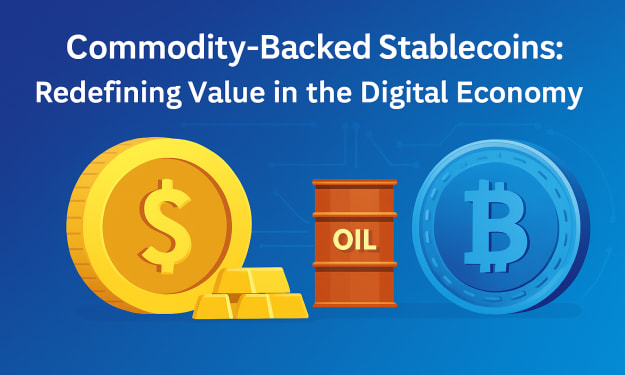
Commodity-Backed Stablecoins: Redefining Value in the Digital Economy
The cryptocurrency market has consistently evolved to address volatility, scalability, and trust. Among the innovations reshaping this ecosystem, commodity-backed stablecoins have emerged as a critical bridge between blockchain technology and traditional asset classes. Unlike purely algorithmic or fiat-backed models, these tokens derive value from tangible commodities such as gold, silver, oil, or even agricultural products. This asset-collateralized approach not only mitigates market instability but also offers institutional-grade trust for investors seeking transparency and sustainability in digital finance.
By Siddarth D8 days ago in The Chain
Pearl
1980 something. we all hung out at Pearl and you and i were nothing special, or so i thought. i mean we all danced, drenched in our own sweat, our own saline solution of fear, too many beers, shots, laughter, tears, fucks in the bathroom and i don't know when we began to be afraid. do you?
By ROCK aka Andrea Polla (Simmons)5 days ago in Fiction


Comments
There are no comments for this story
Be the first to respond and start the conversation.