
Commodity-Backed Stablecoins: Redefining Value in the Digital Economy
How Asset-Backed Tokens Are Bridging Traditional Commodities with Blockchain
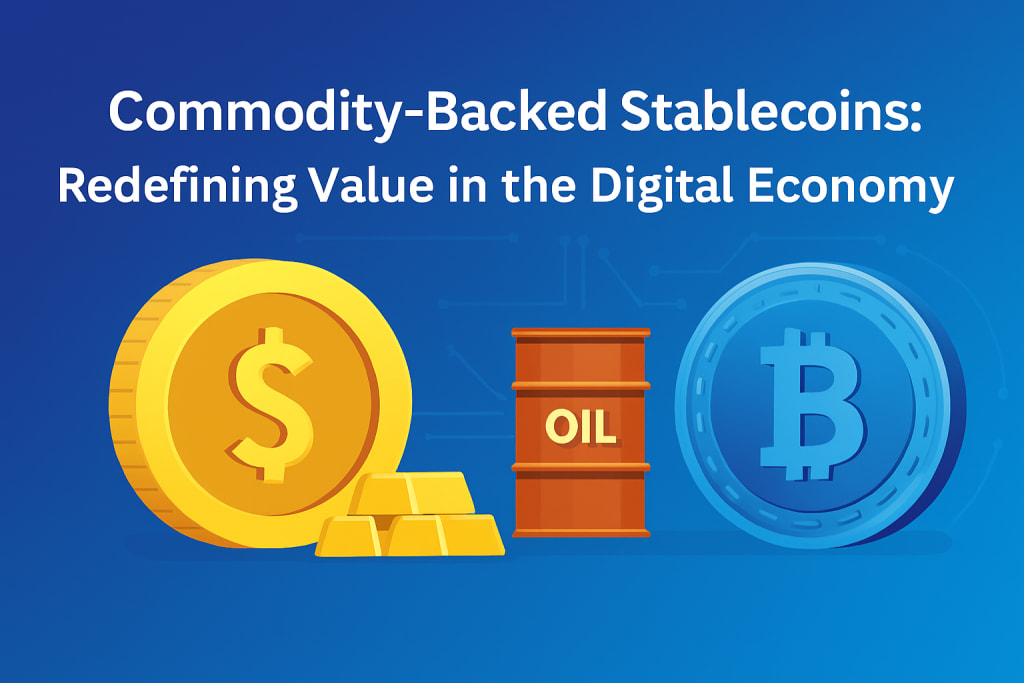
The cryptocurrency market has consistently evolved to address volatility, scalability, and trust. Among the innovations reshaping this ecosystem, commodity-backed stablecoins have emerged as a critical bridge between blockchain technology and traditional asset classes. Unlike purely algorithmic or fiat-backed models, these tokens derive value from tangible commodities such as gold, silver, oil, or even agricultural products. This asset-collateralized approach not only mitigates market instability but also offers institutional-grade trust for investors seeking transparency and sustainability in digital finance.
What Are Commodity-Backed Stablecoins?
Commodity-backed stablecoins are digital tokens issued on blockchain networks, fully or partially backed by reserves of physical commodities. Each token typically represents a claim on an underlying asset, secured in custodial vaults or audited reserves. For instance, one token might equal one gram of gold or a fixed unit of crude oil. This model introduces real-world utility by aligning blockchain-based assets with verifiable intrinsic value.
The architecture behind these stablecoins involves multi-layered mechanisms: collateralization, auditing, and redemption protocols. Smart contracts enforce transparency, while custodians ensure that reserves match circulating supply. This structure not only instills confidence but also allows commodity-backed stablecoins to serve as hedging instruments during volatile crypto cycles.
Why Commodity-Backed Stablecoins Are Gaining Momentum
The global economy is undergoing de-dollarization debates, inflationary pressures, and geopolitical instability. In this climate, commodity-backed stablecoins provide a robust alternative to traditional fiat-pegged models. Their demand is growing for three key reasons:
Intrinsic Value Support – By linking digital assets to gold, silver, or oil, investors gain a hedge against inflation and speculative bubbles.
Cross-Border Liquidity – Tokenized commodities facilitate seamless transfers without the friction of centralized intermediaries or regional restrictions.
Institutional Trust – With asset-backed proof and transparent auditing, these tokens align with compliance standards required by institutional investors.
Unlike fiat-backed stablecoins, which rely on reserves of sovereign currencies subject to policy shifts, commodity-backed stablecoins provide tangible security with long-term stability.
Use Cases in the Global Financial Ecosystem
The adoption of commodity-backed stablecoins extends beyond retail investors. Corporations, financial institutions, and decentralized finance (DeFi) platforms are exploring them for diversified purposes:
- Hedging Against Inflation: Investors can move volatile crypto holdings into stablecoins tied to commodities like gold, mitigating risks from fiat depreciation.
- Trade and Settlement: Businesses in commodity-heavy industries leverage these tokens for faster cross-border trade settlements.
- Decentralized Collateralization: DeFi platforms use commodity-backed tokens as collateral in lending and borrowing protocols, expanding liquidity options.
- Tokenization of Resources: Governments and enterprises are experimenting with blockchain-based tokenization of natural resources, enabling fractional ownership and global market access.
These use cases underline the transformative role of commodity-backed stablecoins in reshaping traditional asset flows.
Challenges and Considerations
While promising, commodity-backed stablecoins face significant technical and regulatory hurdles. Custodial risks, auditing transparency, and liquidity constraints can challenge scalability. For example, securing and auditing gold reserves across multiple jurisdictions requires compliance with complex regulatory frameworks. Similarly, the volatility of commodities like oil could influence stablecoin valuations, demanding sophisticated hedging strategies.
Moreover, widespread adoption requires robust technological infrastructure. Blockchains supporting these tokens must handle high throughput, low latency, and interoperability with both traditional finance systems and DeFi networks. This is where specialized stablecoin development services come into play, offering tailored solutions to design, audit, and deploy resilient token ecosystems.
Role of Stablecoin Development Services
Launching commodity-backed stablecoins involves intricate processes ranging from tokenomics design to regulatory compliance. Professional stablecoin development services address these complexities by delivering end-to-end solutions:
- Smart Contract Development: Designing tamper-proof contracts that manage collateralization, redemption, and circulation.
- Custodial Integration: Ensuring secure storage of commodities through partnerships with audited custodians.
- Regulatory Alignment: Navigating multi-jurisdictional compliance to meet licensing and reporting requirements.
- DeFi Integration: Creating interoperability with decentralized platforms for lending, staking, and trading.
By leveraging these services, enterprises can build trustworthy stablecoin ecosystems that attract global adoption while maintaining regulatory transparency.
The Future of Commodity-Backed Stablecoins
The trajectory of commodity-backed stablecoins suggests long-term sustainability in the evolving digital economy. As blockchain technology matures, tokenized commodities will not only coexist with fiat-backed assets but also play a pivotal role in financial inclusion, sustainable investment, and cross-border commerce.
In a future where digital assets must withstand scrutiny, commodity-backed stablecoins stand out for their tangible backing, intrinsic value, and trust factor. Businesses and institutions adopting these tokens will be better positioned to hedge against volatility while participating in the next phase of financial innovation.
Final Thoughts
Commodity-backed stablecoins are more than a crypto experiment; they are a convergence of traditional finance and decentralized innovation. By anchoring value in real-world commodities, these tokens address volatility concerns while opening gateways to global liquidity. With professional stablecoin development services, enterprises can harness this model to deploy secure, compliant, and scalable solutions that redefine digital finance.
The synergy of blockchain technology, tangible assets, and stablecoin frameworks is shaping a financial paradigm where trust and transparency prevail. Commodity-backed stablecoins are not just bridging the gap between old and new systems—they are paving the road toward a resilient, asset-backed digital economy.
About the Creator
Keep reading
More stories from Siddarth D and writers in The Chain and other communities.
Cost to Create a Stablecoin: A Complete Guide for Businesses and Entrepreneurs
Stablecoins have become one of the most important innovations in blockchain technology. Unlike cryptocurrencies such as Bitcoin or Ethereum, which are often highly volatile, stablecoins are designed to maintain a steady value, usually pegged to fiat currencies like the US dollar or other assets. Their reliability makes them crucial for payments, remittances, trading, and decentralized finance (DeFi).
By Siddarth D8 days ago in The Chain
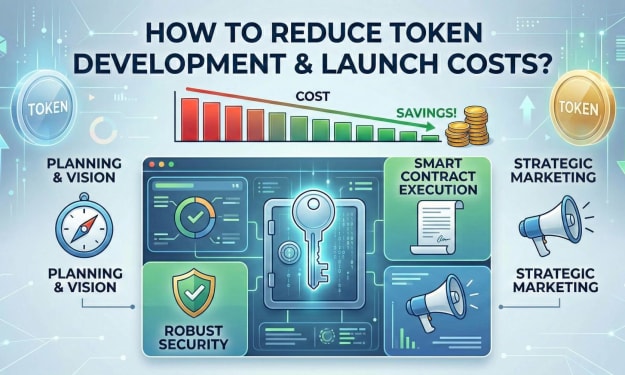
How to Reduce Crypto Token Development and Launch Costs?
Launching a crypto token often looks deceptively simple from the outside. Smart contracts can be deployed in minutes. Token standards are well documented. Marketing channels are accessible. Yet founders frequently discover that what seemed like a modest technical exercise turns into a six-figure undertaking. Development, audits, legal structuring, exchange listings, liquidity provisioning, branding, community management, and post-launch maintenance compound rapidly.
By Jennifer Atkinson4 days ago in The Chain
The Power Behind Bitcoin
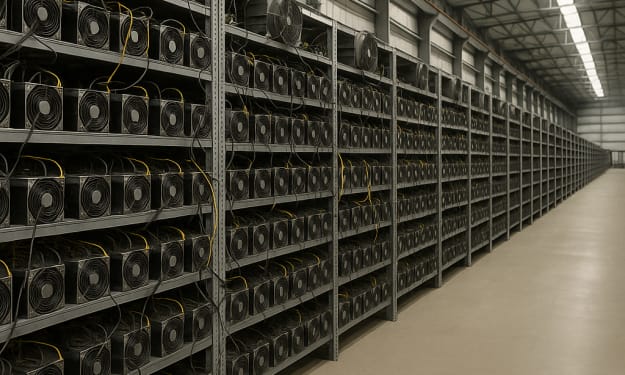
Bitcoin borrowed a word that does not belong to it. Mining sounds physical. It carries an image of dirt, steel, and effort. It suggests men who work in tunnels and move rock by the ton. When the public hears it, they picture a job that leaves a body tired in a way that makes sense. None of that exists in a modern Bitcoin facility. What you find instead is a heat-filled building lined with machines made for only one purpose. Each machine is a miner. One miner equals one computer. Thousands of them sit in rows, running without rest. Once a person understands that a miner is not a human but a device that never sleeps, the scale becomes easier to grasp. These machines fire through guesses at high speed. Each one is trying to match the one valid answer the network will accept. The winning machine earns the reward. All other miners (computers) try again. The entire operation is a probability race powered by electricity.
By Dr. Mozelle Martin4 days ago in The Chain


Comments
There are no comments for this story
Be the first to respond and start the conversation.