
Can Bitcoin Survive Quantum Computing Advances?
Exploring the Future of Bitcoin in the Age of Quantum Computing


Introduction
Bitcoin revolutionized the financial world by introducing decentralized digital currency. Yet, as groundbreaking as Bitcoin is, a new technological wave—quantum computing—poses potential risks to its core security. Can Bitcoin adapt and thrive in the face of this challenge? Let’s dive in.
What is Quantum Computing?
Quantum computing leverages quantum mechanics to process information exponentially faster than classical computers. Unlike traditional computers that use bits (0s and 1s), quantum computers use qubits, which can exist in multiple states simultaneously. This quantum superposition allows for extraordinary computational power, capable of solving problems that would take classical computers centuries to tackle.
How Does Bitcoin Work?
Bitcoin relies on blockchain technology—a decentralized ledger that records transactions. Cryptography is its backbone, ensuring secure, verifiable transactions.
Cryptographic Algorithms in Bitcoin
Public and Private Key Encryption: This mechanism ensures only authorized users can access their Bitcoin wallets.
Hashing Algorithms: Bitcoin’s blockchain uses SHA-256 to secure transaction data, creating a digital fingerprint for each block.
The Threat of Quantum Computing to Bitcoin
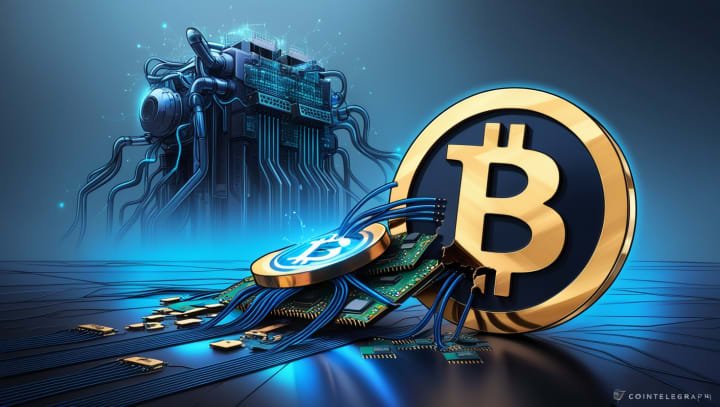
The immense power of quantum computers could undermine Bitcoin’s cryptographic foundations.
Public Key Encryption Risks
Quantum computers could exploit private keys by solving mathematical problems much faster than current computers. This vulnerability could expose wallets to hacking.
Hashing Algorithms and Quantum Resistance
SHA-256, though robust, may not remain invincible. While quantum computers are not yet powerful enough to crack it, future advancements might change that.
Can Bitcoin Adapt to Quantum Computing?
Despite these risks, Bitcoin isn’t doomed. Innovations in quantum-resistant algorithms and blockchain upgrades offer hope.
Post-Quantum Cryptography
Post-quantum cryptography involves developing algorithms that quantum computers cannot easily break. Examples include lattice-based cryptography and hash-based signatures.
Quantum-Resistant Blockchains
Some projects are already exploring quantum-resistant blockchain technologies, ensuring long-term security against quantum threats.
Timeline for Quantum Computing Advances
While quantum computers are progressing rapidly, experts predict we’re still years away from machines powerful enough to compromise Bitcoin’s security. This provides a critical window for preparation and adaptation.
Bitcoin's Community and Development
Bitcoin’s decentralized nature means its security relies on community consensus. Developers worldwide are working to enhance its resilience, fostering collaboration for necessary updates.
Alternatives to Bitcoin
Some cryptocurrencies, like IOTA and QRL, claim to be quantum-resistant. Diversifying your portfolio with these alternatives could mitigate potential risks.

Practical Implications for Users
For now, individual users can take steps to safeguard their assets. Use secure wallets, enable multi-signature authentication, and stay updated on quantum computing developments.
Conclusion
While quantum computing poses a genuine threat, Bitcoin’s adaptability and innovative community offer hope. The journey ahead is challenging but not insurmountable. As technology evolves, so too must Bitcoin, ensuring its place in the future of finance.
FAQs
How close are we to quantum computers breaking Bitcoin?
Current quantum computers are far from capable of breaking Bitcoin, but advancements could bring this threat closer within decades.
What is post-quantum cryptography?
It refers to cryptographic techniques designed to be secure against quantum computing attacks.
Are other cryptocurrencies at risk?
Yes, most cryptocurrencies using similar cryptographic principles face potential threats from quantum computing.
Can quantum computing improve blockchain technology?
Absolutely! Quantum computing could optimize blockchain processes, enhancing efficiency and scalability.
Should I invest in Bitcoin despite quantum risks?
Yes, but diversify your investments and stay informed about technological advancements to mitigate potential risks.
About the Creator
Epicsoft Technologies
Epicsoft Technologies is your trusted partner in innovative IT solutions. Our dedicated team specializes in cloud consulting, data analytics, software development, and more.
https://epicsoft360.com/
Keep reading
More stories from Epicsoft Technologies and writers in The Chain and other communities.
Mobile Banking App Development: Key Trends, Features, and Best Practices for 2025
The rise of digital transformation has made mobile banking app development a cornerstone of modern financial services. With 89% of consumers using mobile banking apps in 2023, financial institutions and fintech startups must prioritize innovative, secure, and user-centric solutions to stay competitive. In this blog, we’ll explore the must-have features, emerging trends, and best practices for building a future-ready mobile banking app. For deeper insights into 2025’s landscape, check out our detailed guide [here]
By Epicsoft Technologies9 months ago in 01
Twitter Outage
Twitter is one of the most popular social media platforms in the world. Millions of people use it every day to share news, opinions, and updates. Because so many people depend on Twitter, even a short problem can affect users globally. A Twitter outage happens when the platform stops working properly, either for some users or for everyone. These outages often create confusion, frustration, and a lot of online discussion.
By Farhan Sayed2 days ago in The Chain
Bitcoin Dominance Explained: What It Is & Why It Matters for Crypto Traders
Introduction Bitcoin dominance is one of the most watched indicators in the crypto market. It shows how much of the total cryptocurrency market value belongs to Bitcoin compared to all other cryptocurrencies combined. Traders, long-term investors, and analysts track this metric because it helps explain capital rotation, market sentiment, and risk appetite across crypto cycles.
By saif ullah2 days ago in The Chain
A Dart at Dusk
Seconds ago, the sullen sun set on the two of us… my exuberant furry companion and me. A fresh breeze embraces us, delivering welcome relief from the day’s oppressive heat. His typical stumbling and staggering along — apace with a sloth — has turned into trip-trapping, high-stepping, almost skipping along.
By Angie the Archivist 📚🪶5 days ago in Petlife




Comments
There are no comments for this story
Be the first to respond and start the conversation.