
Accelerating Stuck Transactions: Understanding the Child-Pays-For-Parent (CPFP) Mechanism in Cryptocurrency
How CPFP Speeds Up and Secures Blockchain Transactions


In the world of cryptocurrency, transaction fees are a critical component that ensures the smooth operation of blockchain networks. However, there are instances where transactions become stuck in the mempool due to low fees, leading to delays in confirmation. To mitigate this issue, the Child-Pays-For-Parent (CPFP) mechanism was introduced. In this article, we'll dive into the CPFP mechanism, how it works, and its significance in enabling faster and more reliable cryptocurrency transactions.
What is the Child-Pays-For-Parent (CPFP) Mechanism?
The Child-Pays-For-Parent (CPFP) mechanism is a method designed to accelerate the confirmation of stuck or unconfirmed transactions on a blockchain network. It incentivizes miners to include such transactions in the next block by creating a child transaction with a higher fee, which relies on the confirmation of a parent transaction with a lower fee. This symbiotic relationship between the two transactions gives rise to the term "Child-Pays-For-Parent."
How Does the CPFP Mechanism Work?
The CPFP mechanism comes into play when a cryptocurrency transaction remains unconfirmed for an extended period due to a low transaction fee. Users can employ CPFP to prioritize the confirmation of their transactions, making the process more efficient. Here’s how it works:
1. Identify the Stuck Transaction: The user identifies that their transaction is stuck in the mempool and has not been confirmed due to an insufficient fee.
2. Create a Child Transaction: The user creates a new transaction, known as the child transaction, which spends the unconfirmed output of the stuck transaction (parent transaction). The child transaction is designed with a significantly higher fee than the parent transaction.
3. Broadcast Both Transactions: Once the child transaction is created, both the parent and child transactions are broadcast to the network. Miners will notice the higher fee attached to the child transaction and will be incentivized to include both transactions in the next block to earn the combined fees.
4. Confirmation of Transactions: Miners prioritize the child transaction because of the higher fee. Since the child transaction depends on the confirmation of the parent transaction, both transactions are included in the next block, leading to their confirmation.
Significance of the CPFP Mechanism
The CPFP mechanism brings several benefits to the world of cryptocurrency, enhancing both transaction speed and reliability. Let’s explore its significance:
1. Faster Transaction Confirmation: CPFP allows users to expedite the confirmation of transactions that have been delayed due to low fees. By attaching a higher fee to the child transaction, users can incentivize miners to prioritize their stuck transactions.
2. Improved Transaction Reliability: The CPFP mechanism ensures that even transactions with initially low fees can be confirmed by giving miners a financial incentive to include them in the blockchain. This improves the overall reliability of cryptocurrency transactions, especially during periods of network congestion.
3. Enhanced User Experience: Cryptocurrency users often face frustrations when transactions are delayed. CPFP provides a practical solution to these delays, offering a smoother and more efficient experience for users who need timely confirmation of their transactions.
4. Practical Application in High-Demand Networks: During periods of high demand, such as market volatility or significant events, transaction fees can spike, and the mempool can become congested. The CPFP mechanism offers users a way to navigate these situations by adjusting fees and ensuring that their transactions are processed without unnecessary delays.
5. Compatibility Across Blockchain Networks: Although CPFP is most commonly associated with Bitcoin, its principles can be applied to various blockchain networks that encounter similar challenges with transaction congestion and prioritization. As blockchain technology continues to evolve, mechanisms like CPFP can play a crucial role in maintaining network efficiency and user satisfaction.
Conclusion
The Child-Pays-For-Parent (CPFP) mechanism is a crucial innovation in the realm of cryptocurrency, addressing the problem of stuck transactions and enhancing the efficiency of blockchain networks. By allowing users to create child transactions with higher fees, CPFP incentivizes miners to prioritize these transactions, resulting in faster confirmations and improved reliability.
As cryptocurrency adoption continues to grow, mechanisms like CPFP will become increasingly important in maintaining the usability and effectiveness of blockchain networks. Whether you're a casual user or a seasoned trader, understanding and utilizing CPFP can help you navigate the challenges of transaction delays and optimize your experience in the decentralized world of digital currencies.
About the Creator
Keep reading
More stories from NwanKwo Chidiebere Godswill and writers in The Chain and other communities.
Tigran Gambaryan Still In Nigeria And May Stay Beyond September
Senior Executive at Binance, Tigran Gambaryan, Remains Detained in Nigeria: The Reasons Behind His Continued Custody. The ongoing detention of Tigran Gambaryan, a senior executive at Binance, has drawn considerable global attention. Gambaryan was detained in Nigeria amid allegations of fraudulent activities linked to Binance's operations within the country. While the company has been working to secure his release, citing health reasons, recent developments indicate that the Nigerian government is unlikely to release him in September. The refusal to release Gambaryan stems from two main factors: the government's resistance to external pressure and concerns over its national image, as well as the ongoing legal proceedings against him.
By NwanKwo Chidiebere Godswillabout a year ago in The Chain
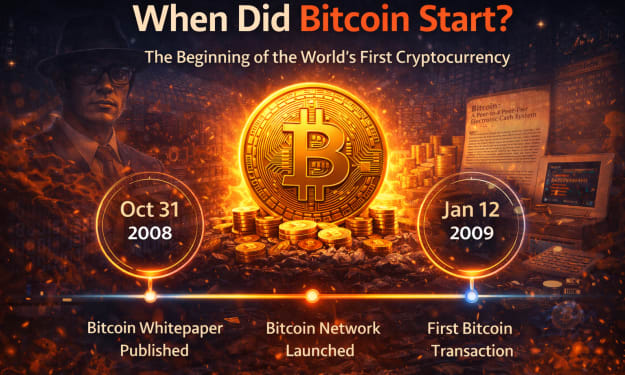
When Did Bitcoin Start? A Simple History of Bitcoin’s Beginning
Introduction Many people use Bitcoin today, but few know exactly when Bitcoin started and how quietly its journey began. Bitcoin did not launch with hype, investors, or advertisements. Instead, it emerged during a time of global financial uncertainty, offering a new idea: money without banks.
By saif ullah4 days ago in The Chain
Blockchain in Intellectual Property: How It’s Changing Ownership, Protection, and Licensing
Introduction Intellectual property (IP) is one of the most valuable assets in the modern economy. From music, films, and books to patents, trademarks, and software code, creators and businesses rely on IP laws to protect their work. However, traditional intellectual property systems are often slow, expensive, and difficult to enforce—especially in the digital age.
By saif ullah3 days ago in The Chain



Comments (1)
Excellent