
Why the Knitting Industry Is Experiencing a Global Revival: Exploring the Key Factors Behind Its Resurgence
Reviving Tradition: How the Knitting Industry is Shaping the Future of Fashion with Sustainability, Innovation, and Personalization
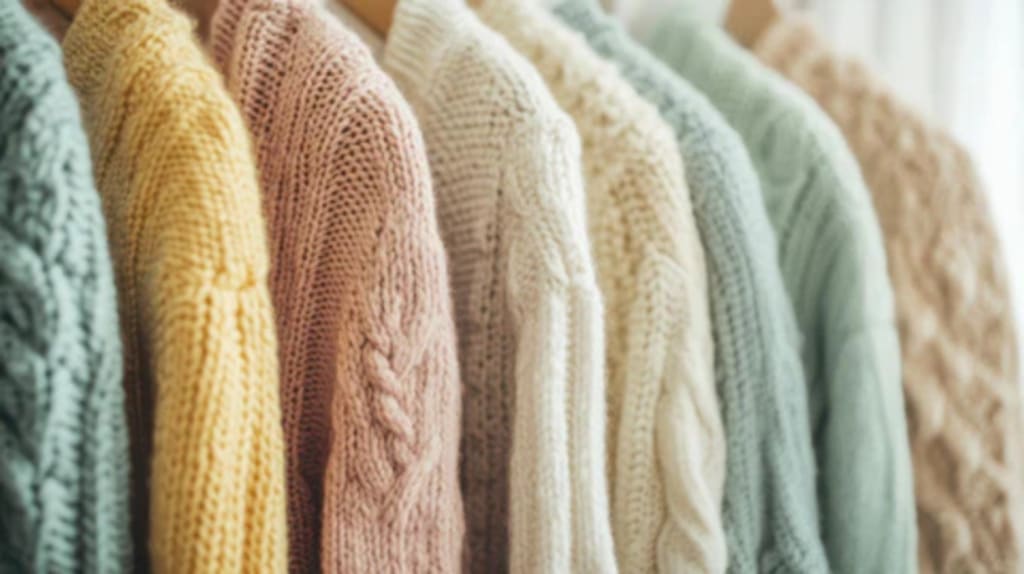
The knitting industry, once regarded as a niche craft or an outdated method of textile production, is undergoing a dramatic global revival. From small artisanal workshops to massive textile factories, knitting has emerged as a dominant force in the global fashion and textile markets. This resurgence is not just a trend but a shift in the way garments and fabrics are produced, consumed, and appreciated. In this article, we will explore the key factors driving the knitting industry’s revival and its increasing relevance in today’s fast-paced and sustainability-conscious world.
1. Sustainable Fashion Movement
- One of the most significant contributors to the revival of the knitting industry is the growing demand for sustainable fashion.
- Consumers are increasingly looking for environmentally friendly and ethical clothing options, leading to a surge in interest in knitting.
- Knitting is an inherently sustainable method of production, with zero-waste techniques such as whole-garment knitting eliminating fabric waste and reducing energy consumption.
- The use of organic and recycled yarns in knitting further supports the sustainable fashion movement, attracting consumers who are conscious of the environmental impact of their purchases.
2. The Rise of Slow Fashion
- Slow fashion, a response to the fast fashion industry, emphasizes quality, durability, and thoughtful production over mass-produced, disposable clothing.
- Knitting aligns perfectly with the slow fashion movement as it allows for the creation of high-quality, long-lasting garments that are often handmade or produced in small batches.
- The handmade aspect of knitting fosters a connection between the maker and the product, providing consumers with a sense of authenticity and value that mass-produced garments cannot offer.
- This shift toward slow fashion has spurred a renewed interest in knitting as a viable, sustainable method of garment production.
3. Technological Innovations in Knitting
- While knitting has ancient roots, recent technological innovations have made the industry more dynamic and accessible than ever before.
- Advanced knitting machines, such as computerized and 3D knitting machines, allow manufacturers to produce intricate and complex designs quickly and efficiently.
- The advent of smart knitting machines equipped with artificial intelligence (AI) and automation has increased productivity while reducing the risk of human error.
- These innovations enable both large-scale manufacturers and independent designers to create high-quality knitted products with a level of precision and creativity that was previously impossible.
4. Customization and Personalization Trends
- Today’s consumers are increasingly seeking unique, personalized products that reflect their individual styles.
- Knitting allows for high levels of customization, whether it’s in the form of personalized patterns, custom-fit garments, or one-of-a-kind accessories.
- The rise of on-demand production, facilitated by digital knitting technologies, allows designers and brands to offer personalized products at scale.
- This trend toward customization is particularly prevalent in the fashion and sportswear industries, where knitwear can be tailored to the exact needs and preferences of consumers.
- Knitting’s ability to offer bespoke, made-to-order products is one of the driving forces behind its revival in the modern market.
5. The Popularity of DIY and Craft Movements
- In recent years, there has been a significant resurgence in the popularity of DIY (do-it-yourself) and craft movements.
- Knitting, once seen as a hobby of the past, has found a new generation of passionate enthusiasts, driven by the desire for hands-on creativity and self-expression.
- Platforms such as Instagram, YouTube, and Pinterest have made it easier for people to learn knitting techniques and showcase their creations, fuelling a global knitting community.
- As people seek out ways to reconnect with traditional crafts, knitting has experienced a renaissance as a hobby and as a source of therapeutic relaxation.
- The revival of knitting as a creative outlet has also influenced the broader textile industry, as consumers who knit themselves demand more knitted products and a greater variety of designs in the market.
6. Health and Wellness Influence
- Knitting is increasingly seen as an activity that promotes mental health and well-being.
- Studies have shown that knitting can reduce stress, improve focus, and enhance cognitive function, making it a popular form of mindfulness practice.
- The rise of wellness and self-care trends has contributed to knitting’s appeal as a relaxing and therapeutic activity.
- Additionally, many people now see knitting as a way to practice sustainability and mindfulness in their consumer habits, choosing to make their own clothes or buy ethically produced knitted items.
- The therapeutic benefits of knitting, combined with its sustainable appeal, have led to a wider appreciation for the craft and its role in a balanced, healthy lifestyle.
7. The Influence of Fashion Designers and High-End Brands
- High-end fashion designers and luxury brands are increasingly turning to knitting as a means of creating unique, high-quality garments.
- Knitting is being used not only for basic items like sweaters and scarves but also for intricate, fashion-forward designs featured in runway shows and fashion collections.
- The rise of knitwear in high fashion is part of a broader trend of reviving traditional craftsmanship, with designers incorporating hand-knitted elements into their collections.
- Knitting provides a level of creativity and texture that other methods of production cannot replicate, making it highly desirable in the fashion world.
- These collaborations between designers and knitting mills are helping to legitimize knitting as a high-fashion technique and bolster its position in the global market.
8. Globalization and Cultural Appreciation
- The globalization of the fashion industry has made knitted garments and techniques more accessible to diverse markets.
- Many countries, especially in the Global South, have a rich tradition of knitting, and as cultures intersect through trade and digital platforms, there is an increasing appreciation for global knitting styles.
- Traditional knitting techniques from countries like Iceland, Norway, and Peru have gained popularity worldwide, adding depth and cultural value to the global knitting revival.
- Global awareness and appreciation for craftsmanship and heritage are contributing to the widespread popularity of knitted goods.
9. The Economic Benefits of Knitting
- Knitting is economically viable for small businesses and independent artisans, making it an attractive option for entrepreneurs.
- Local knitting businesses, craft shops, and micro-manufacturers are thriving as consumers seek out handcrafted and locally produced items.
- In contrast to mass production, knitting allows for smaller production runs and lower overhead costs, making it more accessible to a wide range of producers.
- The scalability of knitting—from individual makers to large factories—ensures its relevance in various sectors of the economy.
10. Aesthetic Appeal and Fashion Trends
- The tactile nature of knitted fabrics offers a unique aesthetic that appeals to consumers looking for comfort and texture in their clothing.
- Knitting allows for the creation of garments with distinctive patterns, textures, and finishes, providing variety and innovation in the fashion industry.
- The versatility of knitting has led to its widespread adoption in everything from casualwear to high-fashion couture, contributing to its resurgence.
- Knitted items, such as sweaters, cardigans, and shawls, continue to be staples in contemporary fashion collections.
Conclusion
The knitting industry is experiencing a global revival, driven by a combination of sustainability, technology, personalization, cultural appreciation, and the broader fashion industry's evolution. As consumer preferences shift towards more sustainable, mindful, and unique products, knitting is proving to be a versatile and innovative technique that meets these demands. From the high fashion runways to the DIY enthusiasts at home, knitting is once again an essential part of the global textile and fashion industries. With continued advancements in technology and a growing appreciation for craftsmanship, the knitting industry is poised to thrive for years to come.
About the Creator
Keep reading
More stories from nick rodas and writers in Styled and other communities.
Top 10 Exporting Countries Dominating the Knitting Industry: A Global Overview
The global knitting industry has witnessed tremendous growth over the past few decades, driven by technological innovations, an expanding middle class, and rising demand for fashion and textiles. As knitting has become a key segment within the larger textile and garment industry, certain countries have positioned themselves as dominant players in the export market. These countries are not only leading in terms of production but also in terms of innovative designs, manufacturing efficiency, and overall contribution to the global knitting supply chain. This article explores the top 10 countries dominating the knitting industry, analysing their influence, strengths, and strategies that have propelled them to the forefront of global textile exports.
By nick rodas9 months ago in Styled
Plus Size Salwar Kameez Designs That Don’t Cling or Pull
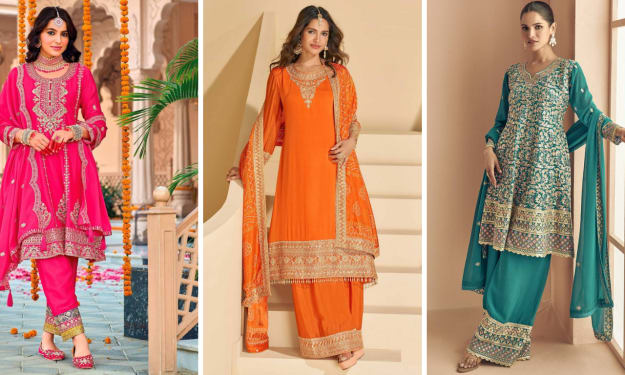
Finding a plus-size salwar kameez that feels comfortable all day long shouldn’t be complicated, but too often, women end up in outfits that cling, pull, or feel tight in all the wrong places. In 2026, the trend is shifting toward designs that flatter naturally without squeezing or pulling, and the best part is that these looks don’t sacrifice style for comfort. This blog showcases the best plus-size salwar kameez designs that provide ample room to move, breathe, and feel confident, whether you’re attending a family event, heading out for a festive dinner, or simply stepping outside for a casual lunch.
By Amit Mandal3 days ago in Styled
Why Some Brides Are Choosing Salwar Kameez Over Lehengas
For decades, the lehenga has been seen as the default bridal outfit. Big, heavy, dramatic, it symbolised the “bridal look” in every sense. But bridal fashion is changing, and so are brides. In 2025–2026, many brides are consciously stepping away from lehengas and choosing wedding salwar kameez instead, not as a compromise, but as a confident style decision.
By Amit Mandalabout 16 hours ago in Styled


Comments
There are no comments for this story
Be the first to respond and start the conversation.