
The Future of Luxury Knitwear in the Knitting Industry: Trends, Innovations, and Market Evolution
The Future of Luxury Knitwear: Innovation, Sustainability, and Timeless Craftsmanship

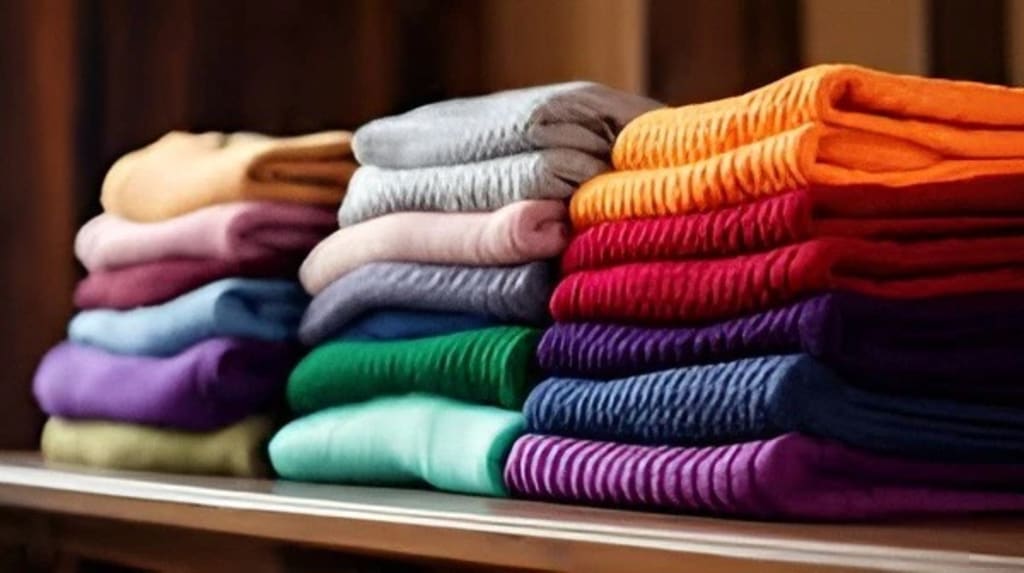
The knitting industry is undergoing a transformation, with luxury knitwear emerging as a key player in the global fashion landscape. Once associated with traditional craftsmanship, knitwear has evolved into a sophisticated sector driven by innovation, sustainability, and changing consumer preferences. The future of luxury knitwear is set to be shaped by technological advancements, eco-friendly materials, and a renewed appreciation for quality and artisanal craftsmanship. In this article, we explore the factors influencing the future of luxury knitwear and how the industry is adapting to meet modern demands.
1. The Rising Demand for Luxury Knitwear
Luxury knitwear has gained popularity among fashion-conscious consumers seeking comfort, durability, and exclusivity. Unlike mass-produced garments, high-end knitwear offers superior craftsmanship, premium materials, and timeless designs. Factors contributing to this demand include:
- The rise of slow fashion, where consumers prioritize quality over quantity.
- Increased interest in premium, sustainable fibbers like cashmere, merino wool, and alpaca.
- A shift toward versatile and season less fashion, with knitwear being a key wardrobe staple.
- The influence of celebrities and luxury brands showcasing knitwear in high-fashion collections.
As consumers move away from fast fashion, the appeal of long-lasting, luxurious knitwear continues to grow.
2. Sustainable Innovation in Luxury Knitwear
Sustainability is a major driving force in the future of luxury knitwear. Consumers are becoming more conscious of their environmental impact, leading brands to adopt eco-friendly practices. Key sustainability trends include:
- Ethical Sourcing of Materials – High-end brands are increasingly sourcing organic, cruelty-free, and responsibly farmed wool. Certifications like GOTS (Global Organic Textile Standard) and RWS (Responsible Wool Standard) are becoming industry norms.
- Recycled and Regenerative Fibber's – Companies are investing in recycled cashmere, upcycled wool, and plant-based fibbers like Telcel and bamboo.
- Zero-Waste Knitting – Advanced knitting technologies, such as 3D and seamless knitting, help reduce fabric waste and enhance efficiency.
- Natural Dyes and Eco-Friendly Processing – Many luxury brands are moving away from toxic chemical dyes, opting for plant-based and water-efficient dyeing techniques.
By embracing sustainability, the luxury knitwear industry is not only reducing its ecological footprint but also adding value to its products by offering ethically produced garments.
3. Technological Advancements in Knitwear Production
The integration of technology in the knitting industry is revolutionizing luxury knitwear production. Some key technological developments include:
- 3D Knitting and Seamless Technology – This innovative technique creates garments without seams, reducing material waste and improving comfort and fit.
- AI and Digital Pattern Design – Artificial intelligence is being used to optimize knitting patterns, predict trends, and personalize designs based on consumer preferences.
- Smart Textiles and Wearable Tech – Luxury brands are exploring intelligent knitwear embedded with temperature-regulating properties and biometric sensors.
- Automation and Robotics – High-precision knitting machines enhance productivity while maintaining craftsmanship quality, ensuring efficiency in high-end knitwear production.
These advancements not only improve the quality of luxury knitwear but also streamline the production process, making it more sustainable and cost-effective.
4. The Role of Artisanal Craftsmanship in Luxury Knitwear
Despite technological advancements, the essence of luxury knitwear remains rooted in artisanal craftsmanship. Hand-knitting and traditional techniques continue to play a significant role, ensuring each piece is unique and meticulously crafted. Luxury brands are:
- Collaborating with skilled artisans to preserve heritage techniques.
- Offering limited-edition hand-knit collections that emphasize exclusivity and craftsmanship.
- Using hand-finishing techniques to enhance detailing, making each garment a work of art.
This blend of tradition and innovation allows brands to maintain the authenticity of luxury knitwear while adapting to modern market demands.
5. Changing Consumer Preferences and Market Trends
The preferences of luxury consumers are evolving, influencing the direction of knitwear in the industry. Some key trends include:
- Customization and Personalization – Consumers are seeking one-of-a-kind pieces, driving brands to offer made-to-order and personalized knitwear services.
- Season less Fashion – With changing climate patterns, consumers prefer versatile knitwear that can be worn across different seasons.
- Minimalist and Timeless Designs – The focus is shifting toward classic styles that transcend fashion cycles rather than short-lived trends.
- Direct-to-Consumer (DTC) Brands – Many high-end knitwear brands are bypassing traditional retail channels and selling directly to consumers, ensuring transparency and exclusivity.
These market shifts indicate a more conscious and quality-driven approach to luxury fashion.
6. The Influence of Luxury Fashion Houses on Knitwear
Luxury fashion houses are increasingly incorporating knitwear into their collections, elevating its status in the industry. Renowned brands such as Chanel, Prada, and Loro Piana have showcased sophisticated knitwear pieces in their runway shows, reinforcing the perception of knitwear as a luxury staple. Key influences include:
- The use of knitwear in haute couture collections, demonstrating its versatility.
- Collaborations between luxury brands and renowned knitwear designers.
- High-end branding and storytelling that position knitwear as an aspirational product.
With luxury knitwear becoming a key element in premium fashion, its presence is expected to grow even further in the coming years.
7. The Future of Luxury Knitwear: What’s Next?
Looking ahead, the luxury knitwear industry is poised for further evolution. Some anticipated developments include:
- Increased Investment in Biodegradable and Regenerative Materials – Research into innovative fibbers like mycelium-based textiles and lab-grown wool is expected to advance.
- More Inclusive and Diverse Knitwear Collections – Brands will continue to embrace gender-neutral and size-inclusive designs.
- Growth of Digital Fashion and Virtual Knitwear – The rise of digital fashion and NFT-based garments could reshape how consumers interact with knitwear in virtual spaces.
- Stronger Ethical and Sustainability Regulations – Governments and fashion councils will likely introduce stricter environmental policies for luxury fashion brands.
By staying ahead of these changes, luxury knitwear brands can maintain relevance and continue to thrive in an evolving fashion landscape.
Conclusion
The future of luxury knitwear in the knitting industry is marked by a harmonious blend of tradition, innovation, and sustainability. As the demand for high-quality, ethically produced knitwear grows, brands must adapt to new materials, technology, and consumer expectations. With a focus on craftsmanship, sustainability, and advanced production methods, the luxury knitwear market is set to become a leading force in the fashion industry.
Whether through eco-friendly fibbers, digital advancements, or artisanal excellence, luxury knitwear is redefining modern fashion, proving that sustainability and style can go hand in hand. As brands continue to evolve, the industry’s future looks promising, with luxury knitwear poised to be a symbol of conscious, timeless elegance.
About the Creator
textilenews
publisher
Keep reading
More stories from textilenews and writers in Styled and other communities.
The Expansion of Organic Cotton in the Home Textile Industry: A Sustainable Revolution
The home textile industry is undergoing a significant transformation as sustainability takes centre stage. One of the most notable shifts is the growing adoption of organic cotton, a natural fibber that offers environmental and health benefits compared to conventional cotton. As consumers become more conscious of their choices, the demand for organic cotton products in bedding, towels, curtains, and upholstery is rising. This shift is not only driven by consumer awareness but also by regulatory changes and industry innovation.
By textilenews10 months ago in Styled
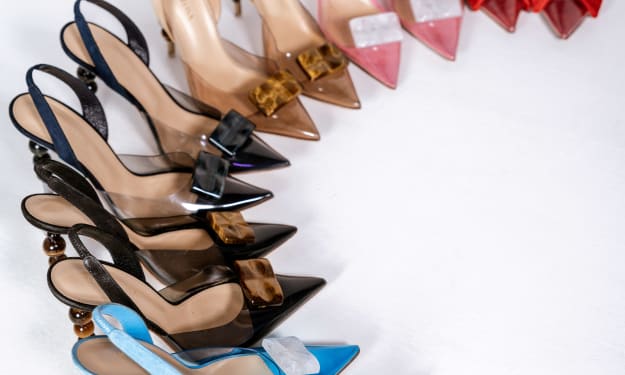
Top 10 Tigre Rosa Heels Loved by Fashion Influencers in 2026
Dubai’s fashion landscape in 2026 is all about statement design, craftsmanship, and meaningful luxury, and no brand captures this spirit quite like Tigre Rosa. Blending Italian artisanal footwear with symbolic aesthetics, Tigre Rosa heels have become a must-wear among fashion influencers, style icons, and trendsetters not just in the UAE — but across the global fashion scene.
By tigrerosaofficial4 days ago in Styled
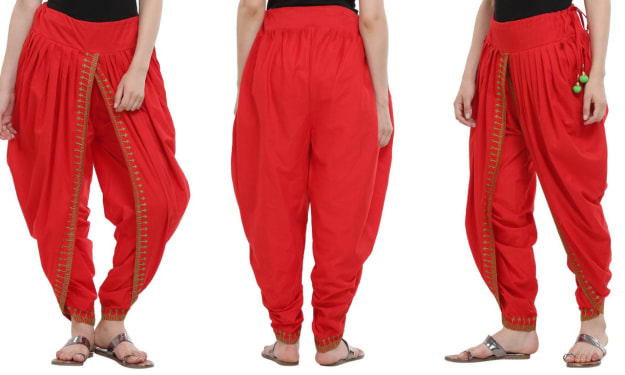
Dhoti Salwar for Haldi, Mehndi & Pre-Wedding Functions
Pre-wedding functions like haldi and mehndi are all about colour, movement, and comfort. These are the events where you sit on the floor, laugh a lot, get your hands painted, and stay dressed for hours. That’s exactly why, in recent years, dhoti salwar has become a favourite choice for these celebrations. It offers the festive feel of ethnic wear while staying easy to move in something every haldi and mehndi outfit should do well.
By Amit Mandal3 days ago in Styled


Comments
There are no comments for this story
Be the first to respond and start the conversation.