
Why Sabeer Nelli's Timing is Perfect: Zil Money Enters the $1.8 Trillion International Payments Market
International Payments Market Zil Money

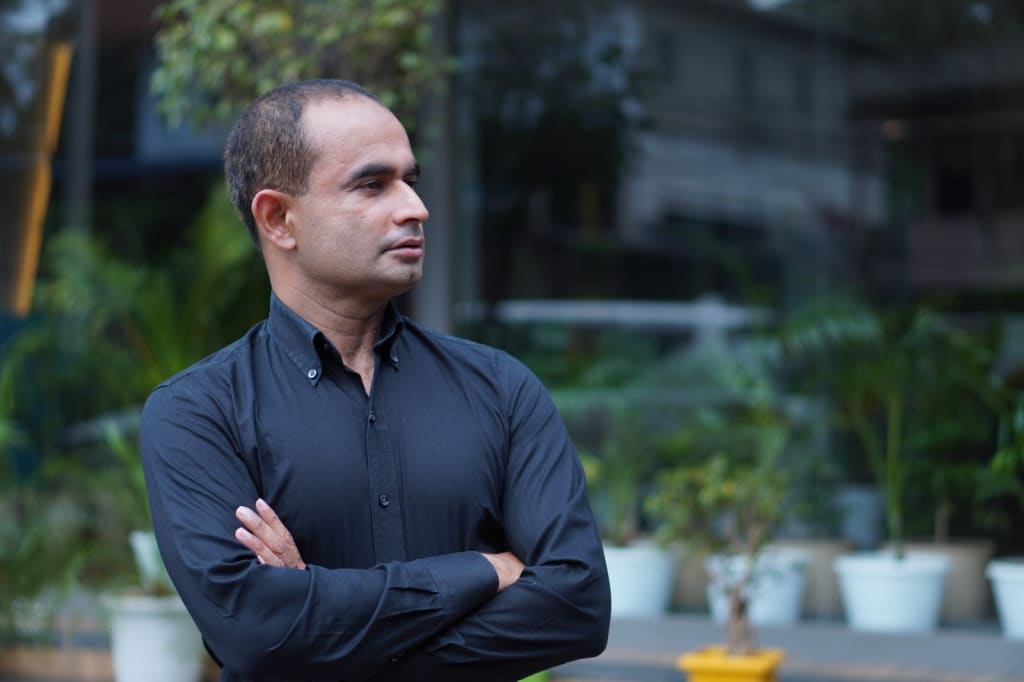
In business, timing isn't everything—it's the only thing. When Zil Money launched its international payments feature this month, CEO Sabeer Nelli wasn't just adding another service to his platform; he was positioning Zil Money at the epicenter of a $1.8 trillion market transformation driven by unprecedented global economic shifts. The convergence of supply chain disruption, remote work proliferation, and SME globalization has created the perfect storm for international payment innovation—and Sabeer Nelli saw it coming.
The Supply Chain Disruption Catalyst
The global supply chain crisis that began in 2020 fundamentally altered how businesses think about international operations. Companies that once relied on single-country suppliers were forced to diversify across multiple continents, creating an explosion in cross-border payment complexity. Traditional wire transfers and correspondent banking relationships, already cumbersome for large enterprises, became completely unworkable for SMEs managing dozens of international vendor relationships.
This disruption created a massive pain point that traditional banks failed to address. While major banks focused on enterprise clients, millions of SMEs struggled with $50-100 wire transfer fees, 3-5 day settlement times, and opaque exchange rates that could swing 2-3% during transaction processing. The market was screaming for a solution designed specifically for smaller businesses—exactly what Zil Money delivers.
The numbers tell the story: international B2B payments grew 10% in 2024, with SME cross-border transactions representing the fastest-growing segment. Yet, small businesses face international payment complexity as their biggest barrier to global expansion. Sabeer Nelli identified this gap and built the infrastructure to fill it.
The Remote Work Payment Explosion
The shift to remote work created an entirely new category of international payment demand: contractor and freelancer payments. Pre-2020, most businesses hired locally or used traditional employment structures for international workers. The widespread adoption of remote work changed everything, with 42% of businesses now employing international contractors regularly.
This trend created a massive market opportunity that existing solutions couldn't address effectively. Other platforms charge up to 5% for international transfers, require complex account setups, and traditional banks treat contractor payments like suspicious transactions requiring extensive documentation. SMEs needed a solution that treated international contractor payments as routine business operations—not exceptional circumstances.
Zil Money's timing captures this trend at its peak. Remote work adoption has stabilized, meaning businesses now have predictable international payment needs rather than emergency solutions. The platform's integration with existing payroll and accounting systems positions it perfectly for businesses that want to treat international contractors like domestic employees from a payment perspective.
The $1.8 Trillion Market Entry
The international payments market represents one of the last major financial services sectors dominated by legacy infrastructure. At $1.8 trillion annually, it's larger than the entire global venture capital market, yet innovation has been minimal for decades. Traditional international banking infrastructure still operates on decades-old technology, creating opportunities for modern platforms to capture market share through superior user experience and cost structure.
Sabeer Nelli's entry timing coincides with regulatory changes that favor fintech innovation. Open banking initiatives in Europe, real-time payment systems in Asia, and FedNow implementation in the US have created an interconnected global payment infrastructure that didn't exist five years ago. These regulatory foundations enable platforms like Zil Money to offer services that would have required decades of banking partnerships to achieve previously.
Economic Convergence Creates Opportunity
Multiple economic trends are converging to create unprecedented demand for SME-focused international payment solutions. Inflation has forced businesses to seek global suppliers for cost optimization. Currency volatility has made real-time settlement crucial for margin protection. Supply chain resilience requirements have mandated supplier diversification across multiple countries.
SMEs now represent about 20–30% of international trade volume, up modestly from 15–25% in 2015, according to OECD and WTO data.. This growth creates a massive addressable market for platforms that can simplify international payment complexity.
Sabeer Nelli's strategic timing positions Zil Money to capture this convergence. By launching when market demand is highest, regulatory infrastructure is most favorable, and competitive solutions are most inadequate, he's created optimal conditions for rapid market penetration and sustainable competitive advantage in the global payments transformation.
About the Creator
Arish
hi my name is arish i am experienced in creating stories and make a good content for you
Eid Dressing Made Easy: Sharara Suits That Feel Light All Day
Eid is a long, beautiful day. From morning prayers and family visits to afternoon meals and evening gatherings, you’re on your feet, moving around, meeting people, and celebrating. That’s why, in 2026, women are choosing outfits that don’t just look festive, they feel easy from morning to night. And that’s exactly where sharara suits come in.
By Amit Mandal7 days ago in Styled
How To Dye A Wig?
Hey Sis! So you saw that fire honey-blonde balayage on TikTok, or maybe you’re feeling that midnight blue fantasy, but the thought of bleaching your own curls colored wigs has you saying, “Absolutely not.” I get it—our hair is our crown, and sometimes you don’t want to risk the throne.
By manman zhai7 days ago in Styled




Comments
There are no comments for this story
Be the first to respond and start the conversation.