
Why On-Demand Production Is the Future of the Apparel Industry: The Shift Towards a More Sustainable and Efficient Model
On-Demand Production: The Future of Fashion Sustainability and Efficiency


The apparel industry has long operated on a mass-production model, where garments are manufactured in bulk based on predicted demand. However, this approach often leads to overproduction, excess inventory, and significant waste. As technology advances and consumer preferences shift, on-demand production is emerging as the future of the apparel industry. This model offers brands greater flexibility, sustainability, and efficiency while reducing costs and minimizing environmental impact.
Below, we explore the key reasons why on-demand production is set to revolutionize the apparel industry.
1. Understanding On-Demand Production
On-demand production is a business model in which garments are manufactured only after an order has been placed. Unlike traditional production methods that rely on forecasting and large inventory stockpiles, on-demand manufacturing allows brands to produce exactly what is needed, when it is needed. This approach significantly reduces waste, lowers costs, and improves supply chain efficiency.
2. Reduction of Overproduction and Waste
One of the biggest issues in the fashion industry is overproduction. Each year, millions of tons of unsold clothing end up in landfills or incinerators, contributing to environmental degradation. On-demand production directly addresses this problem by ensuring that every garment produced has a buyer. This minimizes textile waste and lowers the industry's overall carbon footprint.
3. Sustainability and Eco-Friendly Practices
Sustainability is a growing concern for both consumers and brands. On-demand production promotes a more eco-friendly approach by reducing fabric waste, energy consumption, and water usage. Many on-demand manufacturers also use sustainable materials and digital printing techniques that require fewer chemicals and dyes, further reducing the environmental impact.
4. Inventory Management and Cost Efficiency
Traditional fashion retail models require brands to predict trends months in advance and produce large quantities of stock. However, incorrect forecasting can lead to excessive inventory and markdowns, resulting in financial losses. On-demand production eliminates this risk by allowing brands to manufacture only what is sold, optimizing inventory levels and improving profitability.
5. Personalization and Customization
Modern consumers are looking for unique, customized fashion that reflects their individuality. On-demand production enables brands to offer personalized designs, customized fits, and made-to-order garments without the constraints of mass production. This level of personalization enhances the customer experience and fosters brand loyalty.
6. The Role of Technology in On-Demand Manufacturing
Advancements in technology have made on-demand production more accessible and scalable. Innovations such as AI-driven design software, automated cutting machines, 3D printing, and digital fabric printing allow brands to create high-quality products efficiently. AI-powered trend analysis also helps brands produce garments that align with current consumer demands, reducing the likelihood of unsold inventory.
7. The Impact on Supply Chains
Traditional supply chains are complex, involving multiple steps from raw material sourcing to manufacturing and distribution. On-demand production simplifies this process by streamlining operations and reducing reliance on intermediaries. This leads to faster production cycles, lower logistics costs, and improved overall efficiency.
8. Speed to Market and Agile Business Models
The traditional fashion industry operates on seasonal collections planned months in advance. However, fast fashion and shifting consumer preferences demand quicker response times. On-demand production allows brands to bring new designs to market faster, responding to trends in real time. This agility is a significant competitive advantage in today’s fast-paced fashion landscape.
9. Small Batch and Localized Manufacturing
On-demand production encourages small-batch and localized manufacturing, which benefits both brands and consumers. Producing garments closer to the point of sale reduces shipping costs and carbon emissions associated with long-distance transportation. It also allows for more ethical and transparent production processes, supporting local economies and fair labour practices.
10. Challenges and Considerations
Despite its many advantages, on-demand production does come with challenges. Setting up an on-demand manufacturing system requires investment in technology, skilled labour, and efficient logistics. Additionally, production lead times may be longer compared to mass production, which can be a drawback for some consumers. However, as technology continues to evolve, these barriers are gradually diminishing.
11. Case Studies: Brands Leading the On-Demand Revolution
Several forward-thinking brands are already adopting on-demand production:
- Nike By You: Nike’s customization platform allows customers to design their own sneakers, which are then made to order.
- Unspun: This denim brand uses 3D body scanning to create custom-fit jeans, reducing waste and excess inventory.
- Printful & Teespring: These platforms enable independent designers to sell printed apparel without holding inventory, with items produced only after purchase.
- Zara’s Agile Supply Chain: Although not fully on-demand, Zara’s rapid response supply chain enables the brand to produce small batches of trendy items quickly.
12. The Future of On-Demand Fashion
As sustainability, customization, and efficiency become top priorities for consumers and businesses, on-demand production is poised to become the dominant model in the apparel industry. Future developments in AI, automation, and 3D printing will further enhance the viability of this approach, making it more scalable and cost-effective.
Conclusion
On-demand production represents the future of the apparel industry, offering a sustainable, cost-effective, and consumer-centric alternative to traditional mass production. By reducing waste, optimizing inventory, and embracing customization, brands can create a more responsible and profitable fashion ecosystem.
As technology continues to advance, on-demand production will become even more efficient and widespread, shaping the next era of the fashion industry. Brands that adopt this model early will be at the forefront of innovation, setting new standards for sustainability and consumer engagement.
About the Creator
textilenews
publisher
Keep reading
More stories from textilenews and writers in Styled and other communities.
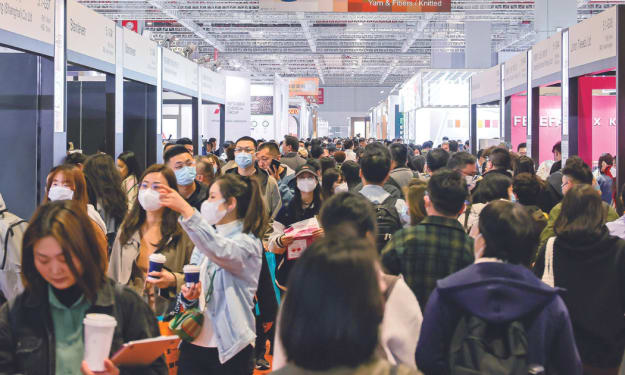
Intertextile Apparel Industry News: What’s Driving Market Growth?
The global apparel industry is evolving at an unprecedented pace, influenced by technological advancements, shifting consumer behaviours', sustainability initiatives, and geopolitical factors. Intertextile, one of the leading platforms for textile and apparel innovations, provides valuable insights into market trends, business opportunities, and growth drivers shaping the industry. As brands and manufacturers adapt to changing market dynamics, understanding the key forces propelling industry growth is essential for staying competitive.
By textilenews10 months ago in Styled
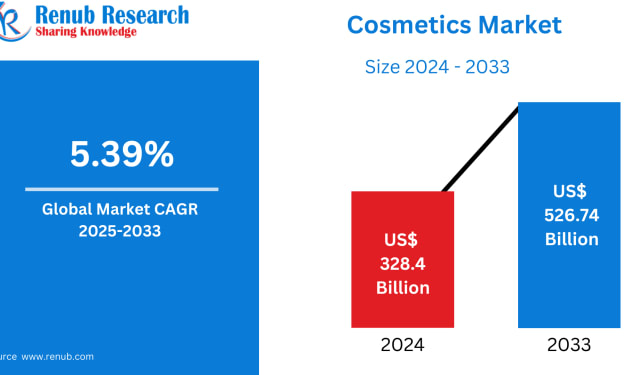
Global Cosmetics Market Size & Forecast 2025–2033
Introduction The global cosmetics market is undergoing one of the most dynamic transformations in its history. No longer defined solely by glamour and aesthetics, the modern beauty industry is increasingly driven by innovation, sustainability, digital engagement, and consumer awareness. From vegan formulations and personalized skincare to AI-powered beauty consultations and social commerce, cosmetics has become a powerful intersection of lifestyle, science, and identity.
By Marthan Sir6 days ago in Styled
Center Stage with Paul Stewart
*** I'm keen to republish the interviews I did for my series with Vocal creators. It's been a few years and I thought it might be nice to revisit these wonderful conversations. I'll be releasing them one at a time for a few weeks/months.
By Heather Hubler4 days ago in Interview


Comments
There are no comments for this story
Be the first to respond and start the conversation.