
Intertextile Apparel Industry News: What’s Driving Market Growth?
The Future of Fashion: Key Drivers Shaping the Global Apparel Industry

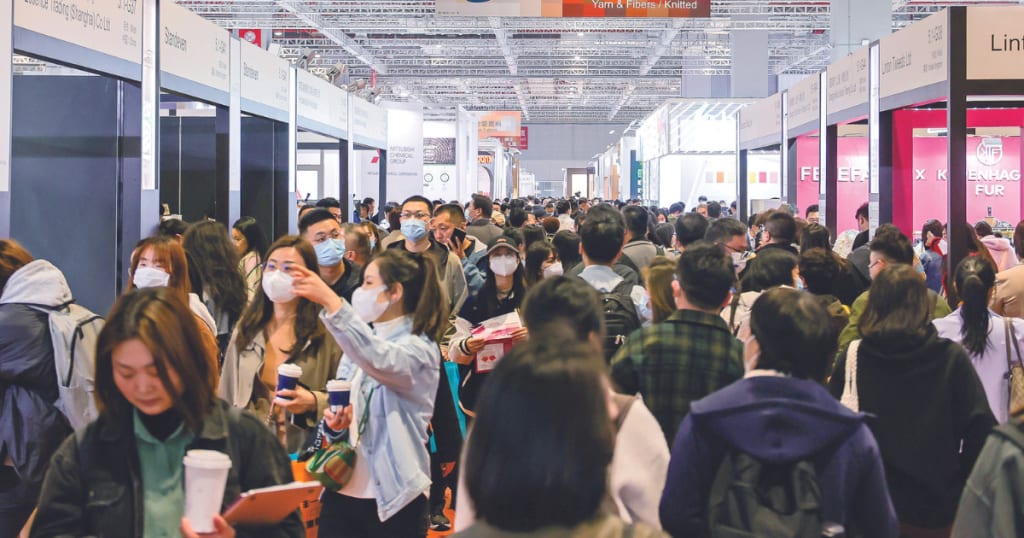
The global apparel industry is evolving at an unprecedented pace, influenced by technological advancements, shifting consumer behaviours', sustainability initiatives, and geopolitical factors. Intertextile, one of the leading platforms for textile and apparel innovations, provides valuable insights into market trends, business opportunities, and growth drivers shaping the industry. As brands and manufacturers adapt to changing market dynamics, understanding the key forces propelling industry growth is essential for staying competitive.
This article explores the major factors driving market growth in the apparel industry, from sustainable fashion movements to digital transformation and global supply chain shifts.
1. Sustainable and Ethical Fashion
Sustainability is no longer a trend—it’s a necessity. Consumers and governments are demanding eco-friendly practices, pushing brands to adopt sustainable materials, reduce waste, and improve transparency. Key drivers in sustainable apparel growth include:
- Eco-Friendly Materials: Organic cotton, recycled polyester, hemp, and bio-fabricated textiles are becoming mainstream as brands seek alternatives to traditional fabrics.
- Circular Fashion Models: The push for a circular economy encourages recycling, upcycling, and rental fashion, reducing landfill waste and promoting longevity in clothing.
- Regulatory Pressures: Governments worldwide are implementing stricter environmental regulations, such as carbon footprint reduction targets and waste management laws, forcing brands to comply with sustainable practices.
2. Digital Transformation in Fashion
The digital revolution is reshaping every aspect of the apparel industry, from design to retail. Key digital trends driving market growth include:
- AI-Powered Trend Forecasting: Artificial intelligence analyses consumer behaviour and historical sales data to predict upcoming fashion trends, helping brands make data-driven decisions.
- 3D Design and Virtual Prototyping: Digital garment creation tools enable brands to reduce physical samples, cut costs, and speed up production cycles.
- E-Commerce Expansion: The shift toward online shopping continues to drive growth, with brands investing in direct-to-consumer (DTC) models, AI-powered personalization, and immersive shopping experiences through AR and VR.
3. Changing Consumer Behaviour and Fast Fashion Evolution
Consumer preferences are rapidly shifting, influencing the way apparel brands operate. Some major changes include:
- Demand for Customization: Personalization is becoming a key market driver, with consumers seeking unique, tailor-made clothing through AI-driven recommendations and on-demand manufacturing.
- Conscious Consumerism: Shoppers are more aware of ethical and environmental issues, preferring brands that offer sustainable and transparent supply chains.
- Shift in Fast Fashion Strategies: While fast fashion remains popular, brands are now focusing on quality over quantity, launching sustainable collections and adopting slow fashion principles.
4. Supply Chain Innovations and Nearshoring
The apparel industry’s supply chain has faced disruptions due to geopolitical tensions, rising costs, and transportation challenges. Innovations in logistics and production are helping stabilize growth:
- Nearshoring and Regional Manufacturing: Brands are moving production closer to key consumer markets to reduce lead times, shipping costs, and reliance on global supply chains.
- Smart Factories and Automation: Robotics, AI-driven inventory management, and automated textile production are improving efficiency, reducing errors, and cutting operational costs.
- Blockchain for Transparency: Many brands are using blockchain technology to provide end-to-end traceability, ensuring ethical sourcing and supply chain accountability.
5. Emerging Markets and Global Trade Dynamics
The apparel industry’s growth is also driven by emerging markets and evolving trade policies:
- Rise of Asia and Africa: Countries like India, Vietnam, Bangladesh, and Ethiopia are becoming key apparel manufacturing hubs, benefiting from lower production costs and government incentives.
- Trade Agreements and Tariffs: The US-China trade war, Brexit, and new free trade agreements are reshaping sourcing strategies, prompting brands to diversify suppliers.
- Localization of Production: Domestic manufacturing is seeing a resurgence in some regions as brands seek to reduce dependency on offshore production and support local economies.
6. Technological Innovations in Fabric Development
New fabric technologies are enhancing performance, sustainability, and design flexibility in apparel manufacturing:
- Smart Textiles: Innovations in fabrics that respond to body temperature, moisture, and movement are revolutionizing sportswear and medical wear.
- Sustainable Dyeing Techniques: Waterless dyeing methods and plant-based dyes are reducing the industry’s environmental impact.
- Biodegradable and Lab-Grown Fabrics: Materials like mushroom leather and algae-based textiles are gaining traction as eco-friendly alternatives to traditional fabrics.
7. The Influence of Social Media and Influencer Marketing
Social media platforms and digital influencers play a crucial role in shaping fashion trends and driving market growth:
- TikTok and Instagram Shopping: These platforms have become major sales channels, allowing brands to market products directly to consumers through engaging content.
- Rise of Micro-Influencers: Smaller influencers with niche audiences are proving to be more effective in driving conversions than traditional celebrity endorsements.
- Real-Time Trend Adoption: Social media allows brands to react quickly to trends, producing and marketing new collections faster than ever before.
8. Post-Pandemic Consumer Trends
The COVID-19 pandemic permanently altered the apparel industry, leading to shifts in consumer preferences and business strategies:
- Casual and Athleisure Boom: The demand for comfortable, versatile clothing continues to rise, with loungewear and activewear maintaining strong market growth.
- Hybrid Shopping Experiences: Consumers now expect seamless integration between online and offline shopping, leading to investments in omnichannel retail strategies.
- Health and Safety Standards: The pandemic heightened awareness of hygiene in apparel, leading to innovations in antibacterial and antiviral textiles.
9. Luxury Fashion and the Rise of Digital Fashion
Luxury fashion brands are leveraging digital innovations to engage consumers and expand their reach:
- NFTs and Digital Clothing: High-end brands are creating virtual fashion items that consumers can purchase as digital assets, opening up new revenue streams.
- Metaverse Fashion Shows: Virtual fashion experiences and digital avatars are becoming a reality, blending gaming, tech, and fashion.
- Sustainability in Luxury: The luxury sector is embracing sustainability by focusing on timeless designs, durable materials, and responsible sourcing.
10. Future Outlook: What’s Next for the Apparel Industry?
Looking ahead, the apparel industry will continue evolving with new challenges and opportunities:
- AI-Driven Manufacturing: The use of AI in fabric cutting, sewing, and inventory management will enhance efficiency and reduce waste.
- Customization at Scale: Brands will focus on producing made-to-order garments, reducing excess inventory and allowing for hyper-personalization.
- Sustainable Regulations: Governments will likely impose stricter environmental regulations, encouraging brands to adopt greener practices.
- Consumer-Led Innovation: Brands will increasingly rely on consumer feedback, AI-driven analytics, and community engagement to shape their collections.
Conclusion
The apparel industry is experiencing rapid changes, fuelled by sustainability, technology, and shifting consumer behaviours. From blockchain transparency to smart textiles and AI-powered forecasting, innovation is driving market growth. Brands that embrace these advancements will remain competitive, offering more sustainable, efficient, and consumer-focused products.
Intertextile and other global textile trade events continue to serve as vital platforms for industry leaders to exchange ideas, discover new trends, and adapt to the evolving market landscape. As the industry moves toward a future of ethical, digital, and tech-driven fashion, businesses that stay ahead of these trends will thrive in the competitive apparel market.
About the Creator
textilenews
publisher
Keep reading
More stories from textilenews and writers in Styled and other communities.
How Digital Weaving Is Changing the Home Textile Industry: Innovations, Benefits, and Future Trends
The home textile industry is undergoing a major transformation with the adoption of digital weaving technology. Traditionally, textile weaving relied on mechanical looms and manual processes, but with advancements in digital technology, weaving has become more precise, efficient, and sustainable. From customized designs to reduced waste, digital weaving is revolutionizing how home textiles—such as curtains, upholstery, rugs, and bedding—are designed and produced. This article explores the impact of digital weaving on the home textile industry, its benefits, and the future trends shaping this evolving sector.
By textilenews10 months ago in Styled
Toi Et Moi Ring Guide - Meaning, Celebrities & Diamond Styles
Toi et Moi Ring: The Most Romantic Engagement Ring of Our Time Love stories aren’t one-dimensional. Every relationship is built on two unique people, two paths, and one shared future. That’s exactly why the Toi et Moi ring has captured hearts across the world.
By KRK JEWELS6 days ago in Styled
Rachel Reviews: The Spiral Archive by Pieter Hendrik
It's difficult for me to know where to start with a review of this book as it was, for me, an entirely unique experience and one that I'll probably never have again. I don't want that to be interpreted as unenjoyable but it has left me scratching my head a little and ruminating on its content, its themes and its characters.
By Rachel Deeminga day ago in BookClub


Comments
There are no comments for this story
Be the first to respond and start the conversation.