
What Are Contact Lenses?
Contact lens are small plastic lenses that float on a tear film over the corneal surface of the eye. They can be permanent or disposable.
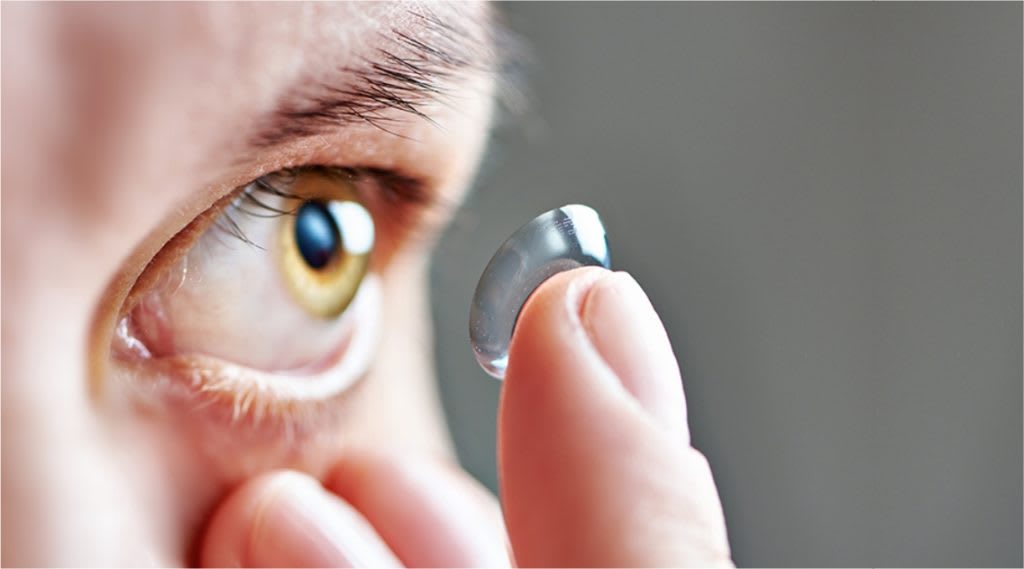
Contact lens are small plastic lenses that float on a tear film over the corneal surface of the eye. They can be permanent or disposable. They are most often worn for the day and then discarded or kept overnight in a cleaning and disinfection solution.
Scleral contact lenses have a large surface area and do not bend, making them comfortable to wear for people with irregular corneas (like astigmatism or keratoconus). They can even be custom made.
1. They correct vision
Contact lenses are designed to capture and redirect light in the eye, helping your eyes function correctly. Depending on your prescription, they can correct many types of vision issues. For example, myopia makes far away objects blurry because the light focuses in front of the retina, and contacts that are concave (thicker on the edges) correct this problem by bringing the focal point closer to the eye. Hyperopia is the opposite problem, and contacts that are convex bring the focus points back into alignment.
These lenses can also be used to treat eye conditions like astigmatism. Rigid gas permeable, or RGP, lenses combine a rigid center with a soft outer skirt for comfort and stability.
There are even decorative contact lenses available that change the color of your eyes or make them look like different animals, vampires, or characters. Decorative contacts don't correct vision, and they must be cleaned and replaced as directed to prevent eye infections.
2. They stay on your eye
A common fear for contact lens wearers is the possibility that a contact can slip behind your eye and become lodged there. However, this is very unlikely because your eyelids and the white portion of your eyeball (the sclera) have a continuous covering called the conjunctiva.
To prevent this from happening, wash your hands thoroughly and use rewetting drops to keep them hydrated. Then, when you are ready to remove a contact lens, make sure that you have clean fingers and only apply gentle pressure to the front of your eyelid, avoiding sliding the lens across the surface of your eye.
If you do get a contact lens stuck in your eye, be very careful and ask an eye care professional for help, since this requires a little more work than simply pushing it back into place. It’s also important that you do not rub your eyes or attempt to dislodge a contact that is lodged there, as this could scratch or damage the cornea.
3. They are easy to clean
Most contact lenses require regular cleaning, rinsing and disinfection with the proper solution to prevent eye infections. The most common are multipurpose solutions for soft contact lenses or hydrogen peroxide for rigid gas-permeable lenses.
When using multipurpose contact lens solutions, the process involves rubbing the contact lenses back and forth in your palm (the actual rub time varies by solution) and then rinsing them and storing them in their case with the solution to soak. Hydrogen peroxide-based solutions require a separate surfactant to clean the contact lens and a sterile saline rinse before the lens is disinfected with the peroxide.
Before handling your contacts, be sure to wash and dry your hands with an antibacterial soap that contains no moisturizing ingredients. Hands that are moistened with lotion or oil can transfer lint, dirt and other substances to the lens surface which can cause irritation upon insertion. Dump out and replace your lens storage solution regularly to prevent bacteria growth. Do not use saline solution or saliva to “clean” your contacts, as this can actually make them more dirty and increase your risk of infection.
4. They are safe
While decorative contact lenses can give your eyes a different look, they’re medical devices that require an eye exam. The FDA regulates them and requires manufacturers to provide safety information for consumers. It’s best to follow the recommended wearing schedule and lens care practices.
Contact lenses can harbor bacteria, viruses, and fungi if they are not cleaned correctly or are worn too long. These conditions can lead to serious eye infections like keratitis, conjunctivitis, or corneal ulcers that can permanently damage your vision.
Another concern is that contact lens wearers often don’t use proper hand hygiene when handling their lenses. This increases the risk of infection. It’s also important to avoid rubbing your eye or spitting on them. This can cause abrasions that can lead to corneal hypoxia. This is a lack of oxygen that causes the cornea to change its shape and form red veins around the corneal epithelium. The abrasions can lead to scarring and decrease your quality of life.
About the Creator
Keep reading
More stories from writers in Styled and other communities.
When Collaboration Becomes Chaos: My Experience with LEGO Crocs
I remember the first time I saw photos of the LEGO Crocs collaboration circulating online. It was one of those images that made me pause mid-scroll—bright, blocky bits of nostalgia attached to a shoe widely mocked for being an enemy of good taste. I couldn’t tell if it was genius or parody. The LEGO colors, those unapologetic reds, yellows, and blues, looked like costume pieces for a child playing “designer.” But the Crocs silhouette—the stubby, ventilated rubber clog—had a kind of accidental honesty to it. Together, they looked like an inside joke about consumer desire.
By Trend Vantagea day ago in Styled
Happy Polka Dot Day
Happy Polka Dot Day! So, this is celebrated every year on January 22nd for Disney’s stars – Mickey & Minny Mouse. In 1928, Minny Mouse’s first appearance was in a black and white dot dress. Since then, this print has been iconic and has appeared in fashion and accessories.
By Lynne Black3 days ago in Styled
🅼🅸🅳🅽🅸🅶🅷🆃 🆂🅽🅰🅲🅺🆂
"It's 10 in Tuscon! We all know what that means... It's Time for Midnight Snacks with your man, Gerald Gee! Ready to spend the night together? Me too! I'm full of snacks and can't wait to regurgitate them all back into your hungry ears. Crack a brew! Pop some corn! Anything to get ready for one hell of a show where the talk maybe cheap but the words cut deep...
By Lamar Wiggins2 days ago in Fiction
Thoughts on Vocal and the way the world is
"Death cannot stop true love, only delay it." – Wesley in The Princess Bride. I decided to come back to Vocal on a very cold and dark night at the end of December. I had been, and still am, convalescing from a horrible staph infection that had gone misdiagnosed for months. This, paired with the increasing challenges of being healthy, making the best choices for my co-parented child, being a wife, and being a director at a new job, was a lot to manage.
By Jazzy 7 days ago in Confessions




Comments (2)
So so amazing .i love your content and subscribed. Kindly reciprocate by subscribing to me also . thank you and keep it up
Thanks for sharing