
United States Jewelry Market Size and Forecast 2025–2033
Luxury Reimagined: How Personalization, Sustainability, and Cultural Trends Are Shaping America’s Jewelry Future


The United States jewelry market is gearing up for remarkable expansion as shifting consumer preferences, technological innovation, and sustainable trends continue to reshape the industry. According to Renub Research, the U.S. jewelry market will grow significantly—from US$ 105.2 billion in 2024 to US$ 159.6 billion by 2033, reflecting a CAGR of 4.74% during 2025–2033. This sustained momentum has been fueled by rising disposable incomes, luxury spending culture, and growing demand for personalized and premium jewelry.
As Americans increasingly view jewelry not just as a fashion accessory but as an investment, a sentimental symbol, and even an expression of identity, the market continues to evolve, reflecting both tradition and modern consumer values.
United States Jewelry Market Outlook
Jewelry has long symbolized identity, wealth, and personal taste. In the U.S., this symbolism continues to flourish, supported by a multicultural population whose diverse tastes expand the country’s jewelry palette—from sleek minimalistic designs to detailed vintage-inspired pieces.
Occasions such as engagements, weddings, anniversaries, and cultural celebrations remain major demand drivers. Meanwhile, social media trends, celebrity influence, and the rise of self-purchasing are redefining how and why Americans buy jewelry.
Overall, the U.S. jewelry market represents a dynamic blend of tradition and innovation, offering something for consumers across every age, income level, and cultural background.
Growth Drivers in the United States Jewelry Market
1. Rising Disposable Income and Luxury Expenditure
One of the strongest accelerators of market growth is the ongoing rise in consumer purchasing power. Jewelry—especially fine pieces crafted with diamonds, gold, and gemstones—is increasingly treated as both a luxury and long-term investment.
A 2024 LoopMe survey found:
70% of U.S. consumers buy luxury goods each year
One-third spend over $1,000 annually
57% of high-end consumers prefer in-store shopping
30% continue purchasing directly from brand websites
Millennials and Gen Z are becoming crucial demographics, driving demand for both timeless classics and modern fashion-forward pieces. Social commerce and influencer culture further encourage impulse and aspirational purchases.
2. Innovation and Personalization in Jewelry Design
Customization has become central to the U.S. jewelry experience. Consumers now seek personalized pieces featuring initials, birthstones, engravings, and symbolic motifs. Advancements in CAD modeling, 3D printing, and digital design tools have made customization accessible and affordable.
Brands offering bespoke jewelry report higher customer loyalty, emotional connection, and repeat purchases. The trend is especially strong among younger buyers who value individuality over mass-produced accessories.
A notable example is CH Jewelry Designs, which adopted Bagisto’s e-commerce framework to offer personalized Western-inspired handmade jewelry—showing how digital-first strategies are reshaping craftsmanship.
3. Online Jewelry Retail's Meteoric Rise
E-commerce has transformed jewelry buying in the U.S. by offering:
Wider product catalogs
Transparent certifications
Virtual try-on options
Easy comparison shopping
Flexible financing
Younger consumers, especially, are more comfortable purchasing fine jewelry online thanks to improved authentication and secure delivery.
Smaller jewelers are benefiting too—online storefronts allow them to compete beyond local boundaries. Omni-channel strategies are now essential, blending personalized in-store experiences with digital convenience.
In October 2024, CaratLane—an Indian premium jewelry brand—expanded into the U.S. with a New Jersey store offering signature designs and personalized engraving. Such global expansions show America’s growing appetite for diverse jewelry styles.
Challenges in the United States Jewelry Market
1. Volatility in Raw Material Prices
Gold, silver, and diamonds are subject to global price fluctuations driven by:
Geopolitical tensions
Currency shifts
Inflation
Global demand and supply disruptions
Rising raw material costs push retail prices upward, potentially discouraging middle-income consumers. Jewelers must constantly balance pricing strategies while maintaining profitability, especially during inflationary cycles.
2. Intense Competition and Changing Consumer Behavior
The U.S. jewelry market is packed with:
Heritage luxury brands
Global manufacturers
Independent designers
Fast-fashion jewelry retailers
Consumers—especially Gen Z—are shifting toward ethically sourced, sustainable, and traceable jewelry. Brands unable to adapt their supply chains or sustainability messaging risk falling behind.
Experience-driven spending also challenges traditional jewelers, as younger consumers often prioritize travel and digital experiences over high-priced possessions unless a brand offers strong emotional or symbolic value.
Market Insights by Jewelry Category
United States Ring Jewelry Market
Rings remain one of the strongest jewelry segments thanks to established cultural traditions around engagements, weddings, and anniversaries. Diamond rings dominate the segment, but lab-grown diamonds and alternative gemstones are rapidly gaining traction among eco-conscious buyers.
Personalized and custom-made rings continue to surge in popularity, particularly online, where shoppers can design pieces through 3D previews and virtual sizing tools.
United States Gold Jewelry Market
Gold jewelry retains its universal appeal due to its value, durability, and cultural significance. U.S. demand skews toward lightweight, modern gold pieces—especially yellow and rose gold variants—and fusion styles incorporating diamonds or colored stones.
Younger Americans also view gold jewelry as both fashion and investment, boosting demand across all price points despite rising gold prices.
United States Diamond Jewelry Market
The U.S. remains the world’s largest consumer of diamond jewelry. While bridal jewelry remains the anchor, demand for everyday diamond accessories is increasing.
Key trends include:
Strong rise in lab-grown diamonds
Growing preference for sustainable sourcing
Expansion of affordable luxury brands
Emotional storytelling linked to purchase behavior
Lab-grown diamonds, in particular, have democratized diamond buying with lower prices and ethical positioning.
United States Offline Jewelry Market
Despite the rise of e-commerce, brick-and-mortar jewelry stores remain essential—especially for high-value purchases requiring:
Physical inspection
Professional guidance
Custom fitting
Certification assurance
Luxury flagship stores, branded boutiques, and longstanding family jewelers still command strong loyalty. In-store experiences continue to drive conversions during gifting seasons and wedding purchases.
United States Women Jewelry Market
Women dominate U.S. jewelry consumption, driven by:
Fashion trends
Social media influence
Self-purchasing empowerment
Special occasion gifting
Popular categories include engagement rings, necklaces, bangles, earrings, and stacking jewelry. Ethical sourcing, minimalistic designs, and personalization appeal strongly to modern buyers.
United States Children Jewelry Market
Though smaller, this segment is growing steadily due to gifting occasions like birthdays, christenings, and milestones. Safety remains a top priority, prompting demand for hypoallergenic materials, lightweight designs, and personalization options such as name pendants and charms.
Regional Highlights
California Jewelry Market
California is a trendsetter in U.S. jewelry thanks to:
Celebrity fashion influence
Diverse population
High-income clusters
Strong e-commerce adaptation
Los Angeles drives luxury and statement jewelry trends, while Silicon Valley’s affluent consumers fuel demand for custom-made and ethically sourced pieces. Lab-grown diamonds have especially strong adoption here.
New York Jewelry Market
New York remains the beating heart of America’s jewelry ecosystem. Manhattan’s Diamond District is a global center for diamond trading, while the city’s fashion scene influences nationwide trends.
A large affluent population ensures consistent demand for luxury jewelry. Tourism and multicultural consumer bases also generate significant sales in designer, ethnic, and contemporary jewelry.
Market Segmentations
By Product
Ring
Earring
Bracelet
Necklace
Others
By Material
Gold
Diamond
Platinum
Others
By Distribution Channel
Offline
Online
By End User
Men
Women
Children
Top States
California, Texas, New York, Florida, Illinois, Pennsylvania, Ohio, Georgia, New Jersey, Washington, North Carolina, Massachusetts, Virginia, Michigan, Maryland, Colorado, Tennessee, Indiana, Arizona, Minnesota, Wisconsin, Missouri, Connecticut, South Carolina, Oregon, Louisiana, Alabama, Kentucky, and the Rest of the U.S.
Company Analysis (5-Viewpoints Included)
(Overviews, Key Person, Recent Developments, SWOT Analysis, Revenue Analysis)
Tiffany & Co.
Pandora
Chow Tai Fook
Louis Vuitton SE
Richemont
GRAFF
Signet Jewelers Limited
H. Stern
These companies shape the competitive landscape with innovation, luxury branding, distribution expansion, and strategies tailored to evolving consumer behavior.
Final Thoughts
The U.S. jewelry market is entering a renaissance period defined by technological transformation, cultural diversity, and an evolving appreciation for sustainable and personalized luxury. With the market on track to climb from US$ 105.2 billion in 2024 to US$ 159.6 billion by 2033, the coming decade promises robust opportunities for both established luxury houses and emerging independent brands.
Consumers today want more than just ornaments—they seek meaning, craftsmanship, traceability, and individuality. Brands that can offer this blend of tradition and innovation will lead the next chapter of America’s jewelry story.
About the Creator
Janine Root
Janine Root is a skilled content writer with a passion for creating engaging, informative, and SEO-optimized content. She excels in crafting compelling narratives that resonate with audiences and drive results.
Keep reading
More stories from Janine Root and writers in Styled and other communities.
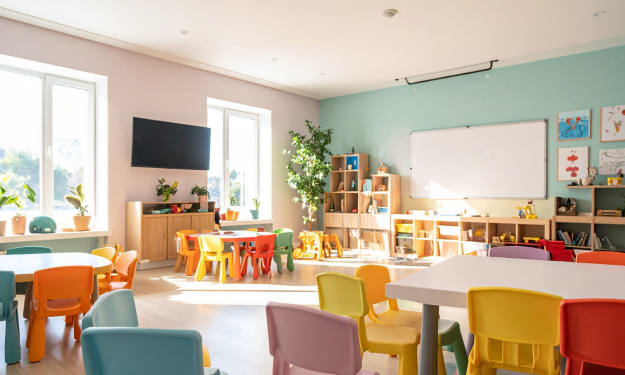
United States School Furniture Market 2025: Reinventing Classrooms for the Future
The Classroom is Changing — And the Furniture Is Finally Keeping Up American classrooms are evolving from static chalk-and-talk settings into dynamic learning hubs where creativity, collaboration, and comfort take center stage. The transformation isn't just digital — it’s physical too. The desks, chairs, storage units, and lab tables students interact with daily are now seen as critical influencers of engagement, health, and learning outcomes.
By Janine Root 2 months ago in Styled
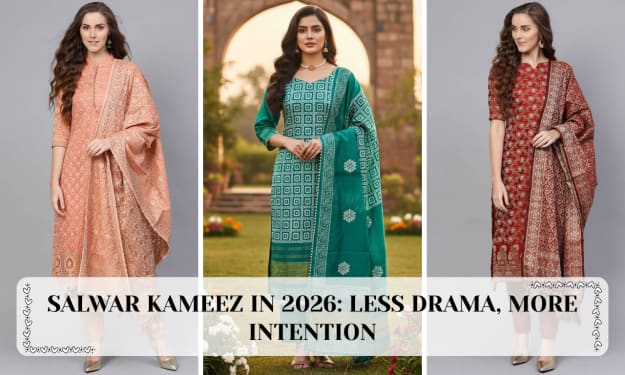
Salwar Kameez in 2026: Less Drama, More Intention
Fashion in 2026 is noticeably quieter. The emphasis has shifted from statement-making outfits to pieces that feel considered, wearable, and emotionally aligned with everyday life. In this evolving landscape, salwar kameez has taken on a new role not as dramatic occasion wear, but as a thoughtfully chosen staple defined by intention rather than excess.
By Amit Mandal5 days ago in Styled
In Which Finger You Should Wear A White Sapphire Ring
Choosing the perfect white sapphire ring can be a difficult task, especially if you are not familiar with the technicalities of the gemstone world. White sapphires are a popular alternative to diamonds, as they are durable, affordable, and have a similar appearance to diamonds. With a score of 9 on the Mohs scale of hardness, sapphires are not lagging much behind. In this article, first, we will discuss how to choose the perfect white sapphire ring, then we will discuss which finger is suitable to wear and why.
By Mark James4 days ago in Styled


Comments
There are no comments for this story
Be the first to respond and start the conversation.