
The Rise of Sustainable Materials in the Clothing Industry: A Greener Future for Fashion
The Rise of Sustainable Materials: Transforming Fashion for a Greener Future

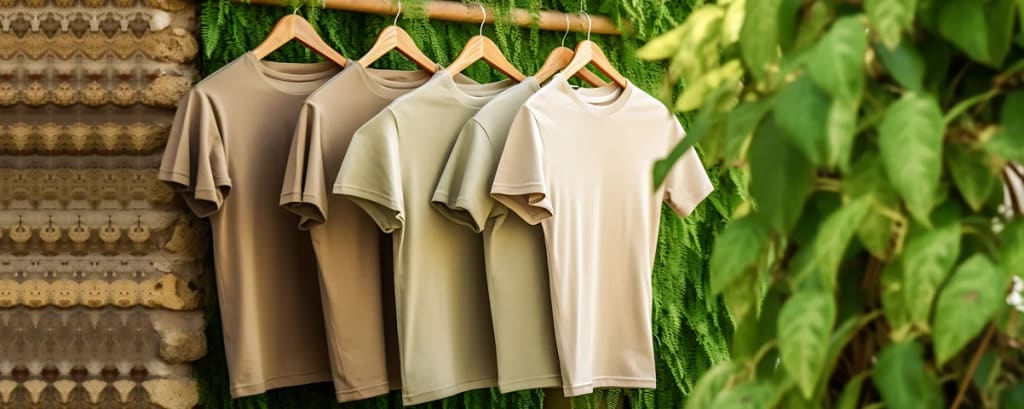
The fashion industry is undergoing a significant transformation as sustainability becomes a top priority. Traditionally, clothing production has relied on resource-intensive materials, synthetic fabrics, and environmentally damaging processes. However, growing awareness of climate change, pollution, and ethical concerns has led to a shift toward sustainable materials. Consumers, brands, and governments are now demanding eco-friendly alternatives that minimize environmental impact while maintaining quality and innovation.
From organic cotton to recycled polyester and biodegradable fabrics, sustainable materials are reshaping the clothing industry. This shift is not only about reducing harm but also about creating a regenerative system where fashion contributes positively to the planet. Let’s explore the rise of sustainable materials in the clothing industry and how they are driving change.
1. Understanding Sustainable Materials in Fashion
Sustainable materials are fabrics and textiles that are produced with minimal environmental and social impact. They are designed to reduce carbon emissions, conserve resources, and ensure ethical labour practices. These materials can be categorized into:
- Natural and organic materials – Derived from plants or animals without harmful chemicals or pesticides.
- Recycled and upcycled materials – Repurposed fabrics that reduce waste and promote circular fashion.
- Innovative and biodegradable materials – New-generation textiles that break down naturally, leaving minimal environmental footprint.
The goal of using sustainable materials is to move away from traditional textile production, which contributes to pollution, deforestation, and excessive water usage.
2. Organic Cotton: A Cleaner Alternative
Cotton is one of the most widely used fabrics in fashion, but conventional cotton farming is water-intensive and relies heavily on pesticides. Organic cotton provides a sustainable alternative by:
- Being grown without synthetic fertilizers or pesticides, reducing soil and water contamination.
- Using 91% less water and producing fewer carbon emissions than conventional cotton.
- Providing safer working conditions for farmers and laborers.
Brands like Patagonia, Levi’s, and H&M have embraced organic cotton in their collections, making it more accessible to consumers.
3. Hemp and Linen: The Eco-Friendly Powerhouses
Hemp and linen are among the most sustainable natural fibbers available. They require minimal water, pesticides, and land to grow, making them highly eco-friendly.
- Hemp fabric is durable, biodegradable, and naturally resistant to pests. It absorbs carbon dioxide from the atmosphere, improving soil health.
- Linen, derived from the flax plant, is lightweight, breathable, and requires far less water than cotton.
With their durability and comfort, hemp and linen are gaining popularity among fashion brands looking to reduce their environmental impact.
4. Recycled Polyester: Turning Waste into Wearable Fashion
The rise of recycled materials has revolutionized the clothing industry, with recycled polyester leading the way. Made from post-consumer plastic bottles, discarded textiles, and ocean waste, recycled polyester offers several advantages:
- Reduces plastic waste in landfills and oceans.
- Requires less energy and water to produce compared to virgin polyester.
- Maintains durability and versatility for activewear, outerwear, and everyday clothing.
Brands like Adidas, Nike, and Stella McCartney are incorporating recycled polyester into their collections, promoting a circular economy where waste materials are repurposed into new garments.
5. Bamboo Fabric: Soft, Sustainable, and Renewable
Bamboo is emerging as a sustainable alternative to conventional textiles due to its rapid growth rate and minimal resource requirements. Bamboo fabric is:
- Naturally antibacterial and moisture-wicking, making it ideal for activewear and undergarments.
- Soft and breathable, offering comfort similar to cotton and silk.
- Biodegradable, meaning it decomposes naturally without leaving microplastic waste.
However, not all bamboo fabrics are created equal. Some production methods involve chemical-intensive processes, so it’s important to look for mechanically processed bamboo or certifications like OEKO-TEX and FSC (Forest Stewardship Council).
6. TENCEL™ (Lyocell and Modal): The Future of Eco-Friendly Textiles
TENCEL™, a fabric brand made from sustainably sourced wood pulp, has gained popularity as an eco-friendly alternative to synthetic and traditional fabrics. Produced using a closed-loop system, it ensures that chemicals and water are reused rather than wasted. Benefits include:
- High breathability and moisture-wicking properties, making it ideal for summer clothing.
- Soft, smooth texture that mimics silk or cotton.
- Biodegradability, breaking down naturally in the environment.
Major brands like Zara, Ever lane, and Eileen Fisher are incorporating TENCEL™ into their designs to offer sustainable fashion choices without compromising quality.
7. Vegan Leather: A Cruelty-Free and Sustainable Alternative
Traditional leather production is resource-intensive and contributes to deforestation, pollution, and animal cruelty. Vegan leather alternatives are gaining traction, using plant-based and recycled materials. Popular options include:
- Pineapple leather (Piñatex) – Made from pineapple leaf fibbers, providing a biodegradable and ethical alternative.
- Mushroom leather (Mylo™) – Grown from mycelium (mushroom roots), requiring minimal water and land.
- Apple leather – Created from apple peels and waste from the fruit industry.
Luxury brands such as Stella McCartney and Gucci are leading the way in using vegan leather, proving that high fashion can be both ethical and stylish.
8. Wool and Alpaca: Sustainable Animal-Derived Materials
While some animal-based fibbers raise ethical concerns, responsibly sourced wool and alpaca fibbers offer sustainable alternatives:
- Regenerative wool – Comes from farms that prioritize soil health and biodiversity.
- Alpaca wool – Requires no chemical treatments and produces less environmental impact than traditional sheep wool.
Certifications like RWS (Responsible Wool Standard) ensure ethical and eco-friendly wool production, supporting animal welfare and sustainable land management.
9. The Role of Certifications in Sustainable Materials
To ensure authenticity and accountability in sustainable materials, several certifications and standards have been developed:
- GOTS (Global Organic Textile Standard) – Ensures organic fibbers are grown and processed sustainably.
- OEKO-TEX® – Certifies fabrics free from harmful chemicals.
- Blue-sign® – Focuses on reducing environmental impact in textile production.
- Fair Trade Certified – Ensures ethical labour practices and fair wages.
Consumers are encouraged to look for these certifications when purchasing clothing to ensure they are truly sustainable.
10. The Future of Sustainable Materials in Fashion
The rise of sustainable materials is not just a trend—it’s a movement shaping the future of the clothing industry. Innovations in bio-fabrication, lab-grown textiles, and zero-waste design will continue to push fashion toward a greener future. Key developments to watch include:
- Algae-based fabrics – Offering biodegradable and carbon-absorbing properties.
- Lab-grown textiles – Such as lab-grown silk and synthetic spider silk for strong, sustainable fabrics.
- 3D knitting technology – Reducing fabric waste by creating garments with precision.
Conclusion
The shift toward sustainable materials is revolutionizing the clothing industry, offering solutions to environmental and ethical challenges. As consumers become more conscious of their purchasing decisions, brands must adapt by embracing eco-friendly alternatives.
By supporting sustainable materials, fashion companies can reduce waste, lower carbon emissions, and create a circular economy that benefits both people and the planet. The rise of sustainable materials is not just about changing fabrics—it’s about transforming the entire industry into a more responsible and ethical force for good.
About the Creator
textilenews
publisher
Keep reading
More stories from textilenews and writers in Styled and other communities.
How AI and Automation Are Reshaping the Clothing Industry: The Future of Fashion Technology
The clothing industry is undergoing a technological revolution, driven by Artificial Intelligence (AI) and automation. These innovations are transforming every stage of fashion production—from design and manufacturing to supply chain management and customer experience. As AI-driven solutions streamline operations, reduce waste, and enhance customization, the fashion industry is becoming more efficient, sustainable, and responsive to consumer demands.
By textilenews10 months ago in Styled
Latest Women’s Fashion News: Trends Shaping Modern Style
Women’s fashion is undergoing a powerful transformation, shaped by changing lifestyles, global cultural influences, and a growing demand for individuality and responsibility. In recent years, fashion has moved beyond seasonal trends and has become a reflection of personal values, comfort, and confidence. The latest women’s fashion news highlights a dynamic industry where creativity meets practicality, and tradition blends seamlessly with modern innovation. From runways to street style, women’s fashion is redefining how style is perceived and worn across the world.
By duran lorena7 days ago in Styled
Cocktail Dresses That Are Chic, Comfortable, and Stylish
Cocktail attire has evolved to meet the needs of modern women who want to look polished without sacrificing comfort. Today’s chic cocktail dresses are thoughtfully designed to balance style, ease, and versatility—making them perfect for weddings, evening parties, receptions, and special celebrations.
By Style Sparksabout 8 hours ago in Styled


Comments
There are no comments for this story
Be the first to respond and start the conversation.