
How AI and Automation Are Reshaping the Clothing Industry: The Future of Fashion Technology
AI and Automation: Transforming the Future of Fashion

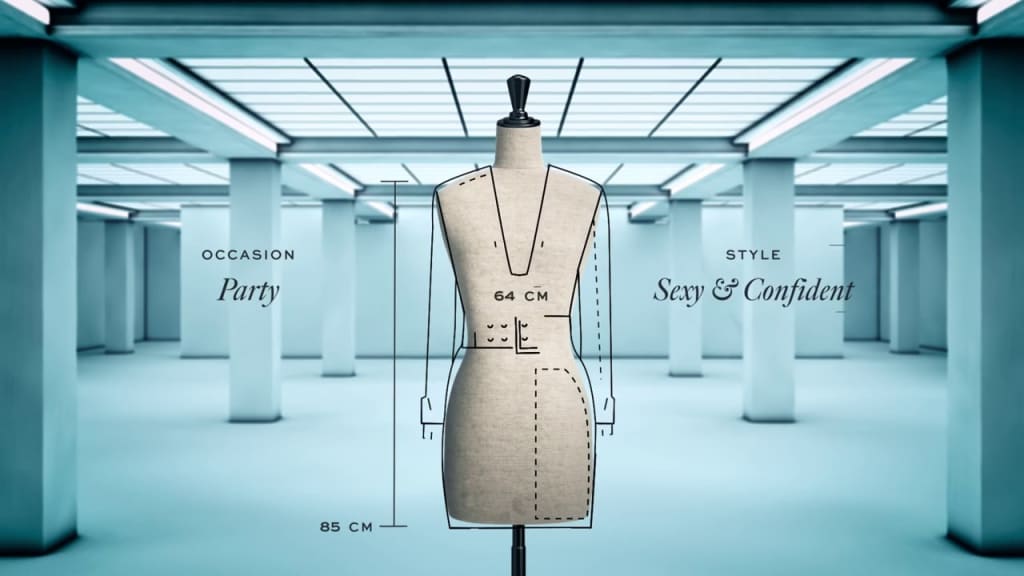
The clothing industry is undergoing a technological revolution, driven by Artificial Intelligence (AI) and automation. These innovations are transforming every stage of fashion production—from design and manufacturing to supply chain management and customer experience. As AI-driven solutions streamline operations, reduce waste, and enhance customization, the fashion industry is becoming more efficient, sustainable, and responsive to consumer demands.
1. AI in Fashion Design: Enhancing Creativity and Speed
Traditionally, designing clothes required extensive manual effort, but AI is changing that by assisting designers with trend analysis, virtual prototyping, and predictive modelling.
- Trend Forecasting: AI-powered algorithms analyse vast amounts of data from social media, fashion runways, and consumer preferences to predict upcoming trends. This allows brands to create designs that align with market demand.
- Automated Design Tools: Platforms like Adobe Sensei and Google’s AI tools help designers generate patterns, colour palettes, and sketches, reducing the time needed for the creative process.
- 3D Design and Virtual Sampling: AI-driven 3D modelling software enables designers to create realistic digital prototypes, eliminating the need for physical samples and reducing material waste.
2. Smart Manufacturing: Efficiency and Sustainability
Automation is transforming the way clothing is produced, making factories more efficient, sustainable, and cost-effective.
- AI-Powered Sewing Machines: Traditional garment manufacturing relies on manual labour, but AI-enabled robotic sewing machines are now capable of stitching complex patterns with precision and consistency. This reduces dependency on human labour while increasing production speed.
- Automated Fabric Cutting and Pattern Making: AI-driven cutting machines optimize fabric usage, reducing waste and ensuring accuracy in mass production.
- On-Demand Manufacturing: With AI predicting consumer demand, brands can adopt a just-in-time production model, reducing overproduction and excess inventory. This is particularly beneficial for sustainable fashion initiatives.
3. AI in Supply Chain and Logistics: Speed and Transparency
Managing a global supply chain in the clothing industry is complex, but AI is making it more efficient and transparent.
- Predictive Analytics for Inventory Management: AI helps brands optimize inventory levels by predicting which products will be in demand, preventing stock shortages or excess stock.
- Automated Warehousing and Distribution: Robotics and AI-powered sorting systems streamline warehouse operations, reducing human error and improving order fulfilment speed.
- Blockchain for Transparency: AI combined with blockchain technology ensures supply chain transparency by tracking the entire journey of a garment, from raw material sourcing to final sale. This allows consumers to verify ethical sourcing and sustainability claims.
4. Personalization and Customer Experience: AI-Driven Shopping
AI is revolutionizing the way consumers shop, offering personalized recommendations and virtual shopping experiences.
- AI-Powered Chatbots and Virtual Stylists: Many fashion retailers use AI-driven chatbots to assist customers in finding the perfect outfit based on their preferences, size, and past purchases.
- Virtual Try-On and Augmented Reality (AR): AI-driven AR technology allows customers to try on clothes virtually using their smartphones, reducing the need for physical fitting rooms and returns.
- Smart Mirrors and In-Store AI Assistants: In physical stores, smart mirrors equipped with AI suggest complementary outfits, allowing shoppers to make more informed purchase decisions.
5. Sustainable Fashion Through AI: Reducing Waste and Carbon Footprint
AI and automation are playing a crucial role in making the clothing industry more sustainable.
- AI for Sustainable Material Sourcing: AI analyses data on fabric production and environmental impact, helping brands choose eco-friendly materials like organic cotton, recycled polyester, and biodegradable fabrics.
- Reducing Overproduction and Textile Waste: By predicting consumer preferences accurately, AI prevents excess production, reducing the number of unsold garments that end up in landfills.
- Automated Recycling and Waste Management: AI-driven sorting technologies help identify and separate textile waste for recycling, making the circular fashion economy more efficient.
6. AI-Powered Marketing and Consumer Insights
Marketing strategies in the fashion industry are evolving, with AI providing brands with deeper insights into consumer behaviour.
- AI-Based Consumer Analytics: AI collects and analyses data from online searches, social media, and shopping behaviour to understand what customers want, allowing brands to create targeted marketing campaigns.
- Personalized Advertising: AI-driven algorithms display ads tailored to individual consumers, increasing engagement and sales.
- Dynamic Pricing Models: AI helps brands adjust prices in real time based on demand, competition, and consumer behaviour, optimizing profitability.
7. Challenges and Ethical Considerations of AI in Fashion
Despite its benefits, the integration of AI and automation in the clothing industry presents challenges and ethical concerns.
• Job Displacement: The rise of automation in manufacturing raises concerns about job losses in traditional garment factories, particularly in developing countries that rely on textile labour.
• Data Privacy Issues: AI-driven personalization relies on collecting large amounts of consumer data, raising concerns about data security and privacy.
• Bias in AI Algorithms: AI models can sometimes reflect biases in fashion trends and marketing, leading to a lack of diversity and inclusivity in product recommendations.
• High Implementation Costs: Small and mid-sized fashion brands may struggle to adopt AI-driven solutions due to the high costs associated with technology integration.
8. The Future of AI and Automation in the Clothing Industry
As AI and automation continue to evolve, the clothing industry is expected to become even more innovative, sustainable, and customer-centric.
- Fully Automated Fashion Factories: Future factories may run almost entirely on AI and robotics, producing high-quality garments with minimal human intervention.
- AI-Driven Customization at Scale: Advanced AI models may allow for mass customization, where customers can design their own clothing with AI assistance, and automated factories produce them efficiently.
- Enhanced AI Ethics and Regulations: Governments and organizations may introduce guidelines to ensure responsible AI usage in fashion, promoting fair labour practices and consumer rights.
- Integration of AI with Wearable Technology: AI-powered smart clothing, which adapts to environmental conditions and tracks health metrics, could become a mainstream trend.
Conclusion
AI and automation are reshaping the clothing industry, revolutionizing design, production, supply chains, and consumer experiences. While these advancements bring significant benefits such as efficiency, sustainability, and personalization, they also pose challenges like job displacement and ethical concerns. However, as technology continues to evolve, the industry is moving toward a more innovative and sustainable future.
Fashion brands that embrace AI and automation will stay ahead in a competitive market, offering better products, minimizing waste, and meeting the ever-changing demands of modern consumers. The transformation of the clothing industry through AI is not just a trend—it is the future of fashion.
About the Creator
textilenews
publisher
Keep reading
More stories from textilenews and writers in Styled and other communities.
How Knitting Industry Magazines Are Covering Sustainable Fashion: A Deep Dive into Trends, Innovations, and Ethical Practices
The knitting industry is experiencing a profound shift toward sustainability, and industry magazines are playing a crucial role in documenting and promoting this transformation. As the demand for ethical fashion and eco-friendly materials grows, knitting publications are adapting their content to highlight sustainable practices, responsible sourcing, and technological advancements in the sector.
By textilenews10 months ago in Styled
Eid Dressing Made Easy: Sharara Suits That Feel Light All Day
Eid is a long, beautiful day. From morning prayers and family visits to afternoon meals and evening gatherings, you’re on your feet, moving around, meeting people, and celebrating. That’s why, in 2026, women are choosing outfits that don’t just look festive, they feel easy from morning to night. And that’s exactly where sharara suits come in.
By Amit Mandal7 days ago in Styled


Comments
There are no comments for this story
Be the first to respond and start the conversation.