
The Rise of Smart Clothing in the Apparel Industry: How Technology is Redefining Fashion and Functionality
Smart Clothing: The Future of Fashion, Technology, and Innovation

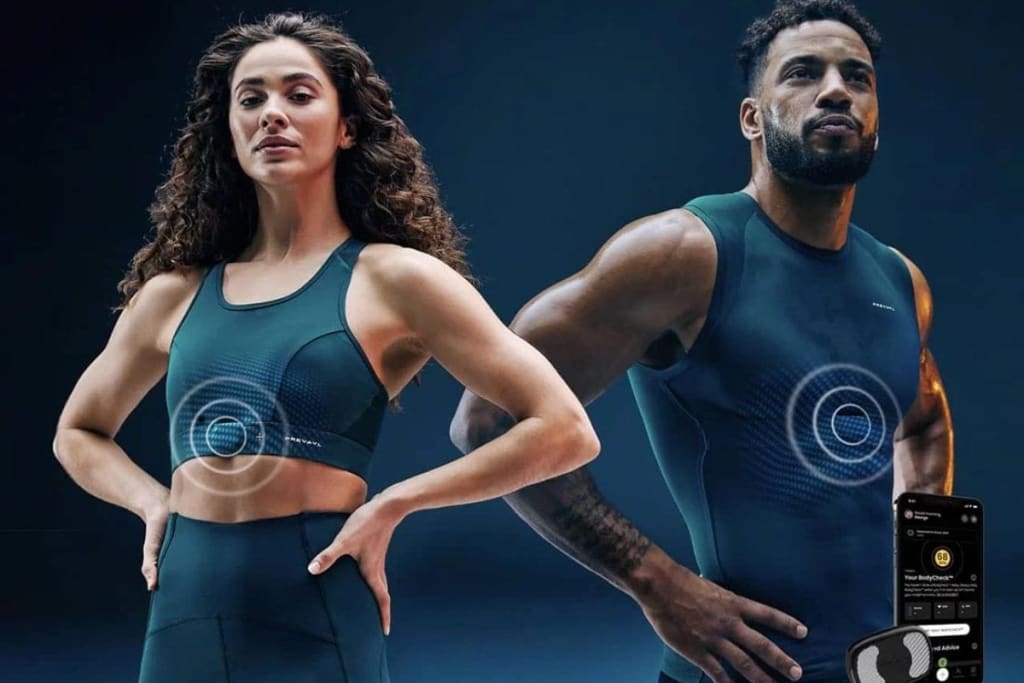
The apparel industry has undergone significant transformations over the years, and one of the most exciting innovations is the emergence of smart clothing. Combining fashion with advanced technology, smart clothing integrates sensors, AI-driven features, and connectivity to enhance functionality beyond traditional garments. This fusion of technology and textiles is redefining the way we wear, use, and interact with clothing, providing benefits ranging from health monitoring to interactive fashion experiences.
As demand for innovative and tech-driven apparel grows, the smart clothing market is rapidly expanding, revolutionizing not only fashion but also sports, healthcare, and everyday wear. This article explores the various aspects of smart clothing, its impact on the apparel industry, and the future it holds.
1. What is Smart Clothing?
Smart clothing refers to garments embedded with technology that allows them to interact with the wearer and the environment. These clothes can track biometrics, adjust to temperature changes, provide real-time feedback, and even communicate with other smart devices. The integration of sensors, microchips, and conductive fabrics enables clothing to perform a variety of advanced functions, making them highly valuable in industries like healthcare, sports, and fashion.
2. The Growth of Smart Clothing in the Apparel Industry
The smart clothing market has witnessed exponential growth in recent years, driven by advancements in wearable technology, artificial intelligence, and IoT (Internet of Things). Major tech companies, sports brands, and fashion designers are investing heavily in this sector, recognizing its potential to enhance user experience and improve overall quality of life.
According to market research, the global smart clothing market is expected to grow significantly, with increasing consumer interest in health-conscious, performance-enhancing, and interactive apparel. The demand for wearable technology, coupled with advancements in textile engineering, has made smart clothing more accessible and functional than ever before.
3. Key Features and Functions of Smart Clothing
Smart clothing offers a range of features that go beyond traditional fashion. Some of the most notable functions include:
- Health and Wellness Monitoring: Smart fabrics embedded with biometric sensors can track heart rate, body temperature, stress levels, and muscle activity, providing real-time health data. This is particularly useful for medical applications and fitness enthusiasts.
- Temperature Control: Thermoregulating fabrics can adapt to external temperatures, keeping the wearer warm in cold conditions and cool in hot climates.
- Posture and Movement Tracking: Certain smart clothing items provide posture correction and movement tracking, assisting users in maintaining proper body alignment and reducing the risk of injury.
- Gesture Control and Connectivity: Smart garments can be connected to smartphones, smartwatches, and other devices, enabling users to control music, calls, and even virtual assistants with simple gestures.
- Augmented Reality (AR) Integration: Some smart clothing designs incorporate AR technology, creating interactive and immersive fashion experiences.
- Self-Cleaning Properties: Nanotechnology advancements have enabled the development of self-cleaning fabrics that repel dirt and bacteria, reducing the need for frequent washing.
4. Smart Clothing in Sports and Fitness
One of the biggest adopters of smart clothing is the sports and fitness industry. Athletes and fitness enthusiasts benefit from garments that monitor performance, optimize training, and prevent injuries.
- Compression Wear with Sensors: Many professional athletes use compression wear with built-in sensors to track muscle activity and optimize performance.
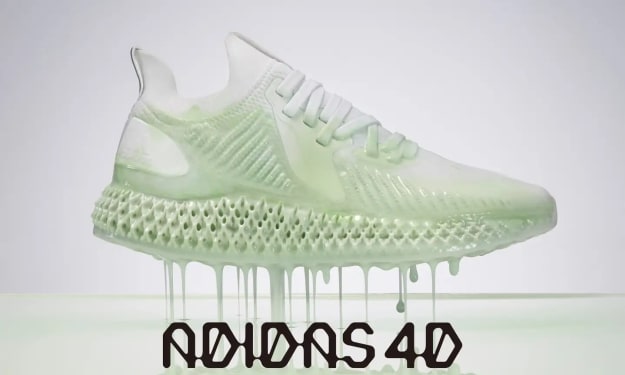
- Smart Running Shoes: Footwear equipped with pressure sensors and AI-driven analytics helps runners track their stride, balance, and impact on joints.
- Hydration and Sweat Monitoring: Some sports apparel can measure sweat levels and hydration needs, providing valuable insights for athletes during intense workouts.
- Real-Time Feedback for Training: Smart fitness shirts and leggings provide live feedback on movement patterns, helping users improve posture and avoid injuries.
5. Smart Clothing in Healthcare
The healthcare sector has significantly benefited from the integration of smart clothing. These innovations are improving patient care, enabling early diagnosis, and assisting in rehabilitation processes.
- Remote Patient Monitoring: Smart garments help doctors track patients' vitals remotely, reducing the need for frequent hospital visits.
- Wearable ECG and Heart Rate Monitoring: Some smart clothing items feature electrocardiogram (ECG) sensors that monitor heart activity, allowing for early detection of cardiovascular issues.
- Smart Bandages and Wound Care: Advanced textiles infused with healing agents or wound-monitoring sensors help track recovery progress.
- Smart Pajamas for Sleep Tracking: Sleepwear with built-in biometric sensors provides insights into sleep patterns and helps individuals improve their sleep quality.
6. Fashion and Smart Clothing: Merging Style with Technology
Fashion brands are increasingly integrating technology into clothing to create stylish yet functional designs. Luxury designers and tech companies are collaborating to produce interactive and responsive clothing.
- Light-Up and Colour-Changing Fabrics: LED-embedded fabrics allow garments to change colour or display digital patterns based on user preference.
- Interactive Fashion Shows: Some designers have experimented with smart fabrics that respond to sound, movement, or even emotions, creating a futuristic runway experience.
- Haptic Feedback Clothing: Some fashion pieces provide touch-based feedback, creating new sensory experiences for users.
7. Challenges and Limitations of Smart Clothing
Despite its potential, smart clothing faces several challenges that need to be addressed for widespread adoption:
- High Production Costs: The integration of technology into textiles remains expensive, making smart clothing less affordable for the average consumer.
- Durability and Wash ability: Many smart textiles require special care, raising concerns about their longevity and ease of maintenance.
- Privacy and Data Security: Since smart clothing collects user data, there are concerns regarding privacy and cybersecurity risks.
- Battery Life and Energy Efficiency: Some smart garments require power sources, and ensuring long battery life without compromising comfort is a challenge.
8. The Future of Smart Clothing
The future of smart clothing is promising, with continuous advancements in nanotechnology, AI, and sustainable materials. Innovations expected in the coming years include:
- Wireless and Battery-Free Smart Clothing: Research into energy-harvesting textiles may eliminate the need for batteries in smart garments.
- AI-Enhanced Clothing Customization: AI-driven technology will enable personalized fit, function, and style recommendations for individual users.
- Eco-Friendly and Biodegradable Smart Fabrics: Sustainable smart textiles will address environmental concerns while offering high-tech functionality.
- Integration with the Metaverse: With the rise of digital fashion and the metaverse, smart clothing may become a key player in virtual fashion experiences.
9. Conclusion
Smart clothing is redefining the apparel industry, merging technology with fashion, sports, and healthcare. With features ranging from biometric tracking to interactive experiences, smart garments are revolutionizing how people engage with clothing. As technology continues to evolve, smart clothing will become more accessible, sustainable, and seamlessly integrated into everyday life.
While challenges such as cost and durability remain, ongoing research and innovation are paving the way for a future where clothing is not just a fashion statement but an essential part of a connected and intelligent lifestyle. The rise of smart clothing marks a new era in apparel, where function meets fashion in the most innovative ways.
About the Creator
textilenews
publisher
Keep reading
More stories from textilenews and writers in Styled and other communities.
New Government Regulations Impacting the Textile and Apparel Industry: Challenges and Opportunities
The textile and apparel industry is a vital sector of the global economy, providing employment to millions and contributing significantly to international trade. However, due to growing concerns over environmental sustainability, fair labour practices, and ethical sourcing, governments worldwide are implementing new regulations to ensure compliance with evolving standards. These regulations impact manufacturing, supply chains, trade policies, and sustainability efforts. For industry stakeholders, staying informed and adapting to these changes is crucial for long-term success.
By textilenews10 months ago in Styled
Ludacris and Nelly draw backlash over bookings at MAGA-coded music festival
Ludacris and Nelly headlining a mostly right-wing event is good for them. It’s also great for the genre of hip hop. The two rap veterans have showcased their talents on other stages. Why can’t they perform for mostly MAGA folks and grab that bag?
By Skyler Saunders4 days ago in Beat



Comments
There are no comments for this story
Be the first to respond and start the conversation.