
The Evolution of Fast Fashion in the Garment Industry: From Runway to Real-Time
Fast Fashion Unraveled: From Trend-Setting Innovation to Global Controversy and the Push for Sustainable Change

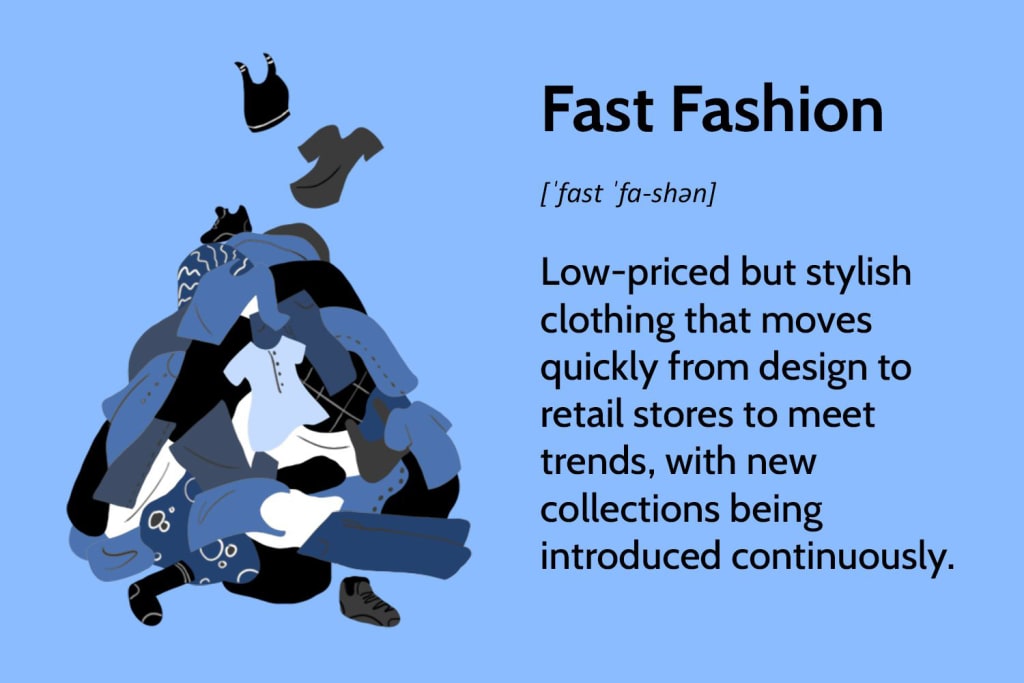
The term "fast fashion" has become both a marvel of modern retail and a point of controversy in the global garment industry. Over the past few decades, fast fashion has revolutionized how clothes are produced, marketed, and consumed—bringing catwalk styles to consumers at lightning speed and affordable prices. However, the rise of fast fashion has also sparked conversations around environmental impact, labour conditions, and the sustainability of such a rapid production model.
This exploration of the evolution of fast fashion examines how it emerged, how it operates today, and what its future might look like as consumer values and industry priorities shift.
1. The Origins of Fast Fashion
The concept of fast fashion emerged in the late 20th century, as brands began seeking ways to meet consumer demand for trendy, affordable clothing. Inspired by the latest catwalk trends, these companies shortened design-to-rack cycles dramatically—from several months to a few weeks.
Retailers like Zara, H&M, and Forever 21 became pioneers of the model, mastering the art of quickly identifying fashion trends, mass-producing garments at low cost, and distributing them worldwide. The ability to offer new collections every few weeks created a “buy now, wear now” culture that reshaped consumer behaviour and expectations.
2. The Mechanics of Fast Fashion
Fast fashion operates on a high-speed, high-volume production model. Key characteristics include:
- Trend Imitation: Designers and trend forecasters monitor runways, street style, and social media to identify hot styles.
- Speed to Market: Designs are replicated and sent into production often within 2–4 weeks.
- Low Costs: Garments are produced in bulk using inexpensive materials and labour, often in developing countries.
- High Turnover: New collections are introduced frequently—sometimes weekly—encouraging constant consumption.
This model relies heavily on efficient supply chain management, overseas manufacturing, and real-time data to track sales and restock popular items quickly.
3. The Rise of E-Commerce and Global Expansion
With the rise of e-commerce in the 2000s, fast fashion reached new heights. Online retailers such as ASOS, Boohoo, and later SHEIN joined the race, offering thousands of new styles every month. Digital platforms allowed brands to reach global audiences instantly and gather consumer feedback faster than ever before.
The accessibility of online shopping, combined with social media marketing, influencers, and fashion hauls, created a culture of instant gratification, where new clothes are just a click away—and often cheaper than a meal.
4. Social Media’s Influence on Fast Fashion
Social media platforms like Instagram, TikTok, and Pinterest became powerful engines driving the growth of fast fashion. Consumers began seeing influencers and celebrities wearing trendy outfits and wanted immediate access to similar styles. Fast fashion brands capitalized on this demand by:
- Collaborating with influencers and celebrities.
- Creating viral challenges and style trends.
- Promoting frequent product drops aligned with social media trends.
The phenomenon of "outfit repeating" became taboo in the age of selfies and social sharing, further fuelling the disposable fashion mindset.
5. Environmental and Ethical Concerns
As the fast fashion model grew, so did its negative impact. Critics began highlighting its unsustainable practices, including:
- Environmental Damage: The fashion industry is one of the largest polluters, contributing to water pollution, textile waste, and greenhouse gas emissions.
- Waste Generation: Millions of tons of clothing end up in landfills each year due to low-quality production and overconsumption.
- Labour Exploitation: Garment workers in countries like Bangladesh, Vietnam, and India often work in poor conditions for extremely low wages.
- Overproduction: Many items are made in anticipation of demand and often go unsold, resulting in surplus waste.
Documentaries such as The True Cost brought these issues to the forefront, prompting calls for reform and transparency.
6. The Shift Toward Conscious Consumerism
In recent years, a new wave of conscious consumerism has emerged, led by Gen Z and Millennials who prioritize ethics, sustainability, and authenticity. Consumers are asking critical questions like:
- Who made my clothes?
- What materials were used?
- Is this product sustainable and fair-trade?
This shift is pressuring fast fashion brands to adopt more responsible practices, such as:
- Launching eco-friendly collections using organic or recycled fabrics.
- Publishing sustainability reports and supply chain disclosures.
- Partnering with ethical factories and NGOs.
- Offering clothing recycling programs and resale platforms.
However, critics argue that many of these efforts are greenwashing—superficial attempts to appear sustainable without real systemic change.
7. The Rise of Slow Fashion and Alternatives
As awareness of fast fashion’s drawbacks increases, the slow fashion movement is gaining momentum. Slow fashion emphasizes:
- Quality over quantity.
- Timeless, durable designs.
- Ethical labour and sustainable materials.
- Local production and craftsmanship.
Brands like Patagonia, Eileen Fisher, and Reformation lead this space by focusing on longevity, reparability, and fair practices. Second-hand marketplaces, clothing rentals, and upcycled fashion are also becoming popular alternatives to fast fashion.
8. Regulatory Pressure and Industry Accountability
Governments and international bodies are beginning to regulate fast fashion more closely. Proposed and existing measures include:
- Extended Producer Responsibility (EPR): Requires brands to take responsibility for post-consumer waste.
- Carbon Taxes: Penalize brands for high emissions or unsustainable practices.
- Labour Rights Laws: Improve working conditions and enforce fair wages in supply chains.
- Transparency Requirements: Force brands to disclose factory locations, materials, and environmental impact.
These regulations aim to level the playing field and ensure that fast fashion brands can’t ignore their broader responsibilities.
9. The Future of Fast Fashion: Innovation or Decline?
While fast fashion continues to dominate a large share of the global market, its future is uncertain. Industry analysts predict a few potential directions:
- Digital-First Models: Brands may embrace digital showrooms, AI-driven trend forecasting, and made-to-order production to reduce waste.
- Sustainable Transformation: Companies might integrate sustainability at their core, shifting from volume-based profits to value-based models.
- Consumer-Led Disruption: As resale, renting, and DIY culture grows, the demand for disposable fashion could decline.
Ultimately, the fast fashion industry must adapt—or face a growing backlash from informed consumers and environmental advocates.
Conclusion
The evolution of fast fashion is a tale of innovation, opportunity, and growing responsibility. It has reshaped the global garment industry, making style accessible to the masses and influencing how we think about fashion. But it has also exposed deep flaws in the system—from exploitative labour to environmental harm.
As the industry faces increasing scrutiny, brands are being challenged to evolve once again—this time not just for speed, but for sustainability, ethics, and transparency. Whether fast fashion will transform itself or be replaced by more responsible models remains to be seen, but one thing is clear: the future of fashion depends on more than just what’s trending.
About the Creator
textilenews
publisher
Keep reading
More stories from textilenews and writers in Styled and other communities.
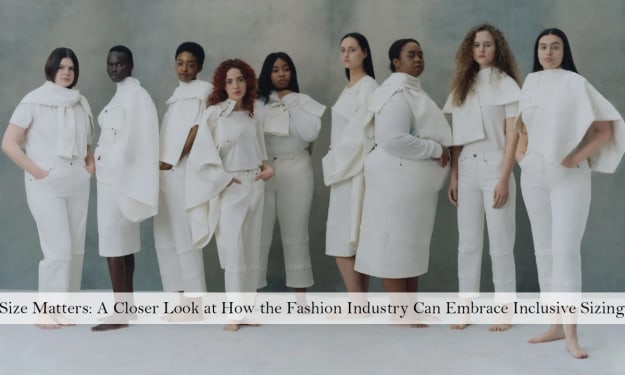
Garment Industry Responds to the Demand for Inclusive Fashion: Embracing Diversity in Style and Sizing
The fashion world is witnessing a powerful and overdue shift—one that centres around inclusivity and diversity. As consumer expectations evolve, the garment industry is responding to the growing demand for inclusive fashion by designing for all body types, gender expressions, abilities, and cultural identities. What once was a limited and often exclusive space is transforming into a more representative and empathetic industry that truly reflects the people it serves.
By textilenews9 months ago in Styled
FREE THE NIPPLE. BURN THE BRA. APOLOGISE TO OUR SPINES.
There are few things in modern life as quietly infuriating as the social expectation that women should strap themselves into uncomfortable, restrictive underwear every single day for the emotional comfort of strangers. Not safety. Not warmth. Not even practicality. Comfort. Specifically men’s comfort. Because somewhere along the way, we collectively decided that a woman’s nipple is a public threat, while a man’s nipple is background furniture.
By No One’s Daughter5 days ago in Styled
Toi Et Moi Ring Guide - Meaning, Celebrities & Diamond Styles
Toi et Moi Ring: The Most Romantic Engagement Ring of Our Time Love stories aren’t one-dimensional. Every relationship is built on two unique people, two paths, and one shared future. That’s exactly why the Toi et Moi ring has captured hearts across the world.
By KRK JEWELS6 days ago in Styled


Comments
There are no comments for this story
Be the first to respond and start the conversation.