
Garment Industry Responds to the Demand for Inclusive Fashion: Embracing Diversity in Style and Sizing
How the Fashion Industry Is Embracing Diversity, Redefining Norms, and Designing for Every Body and Identity

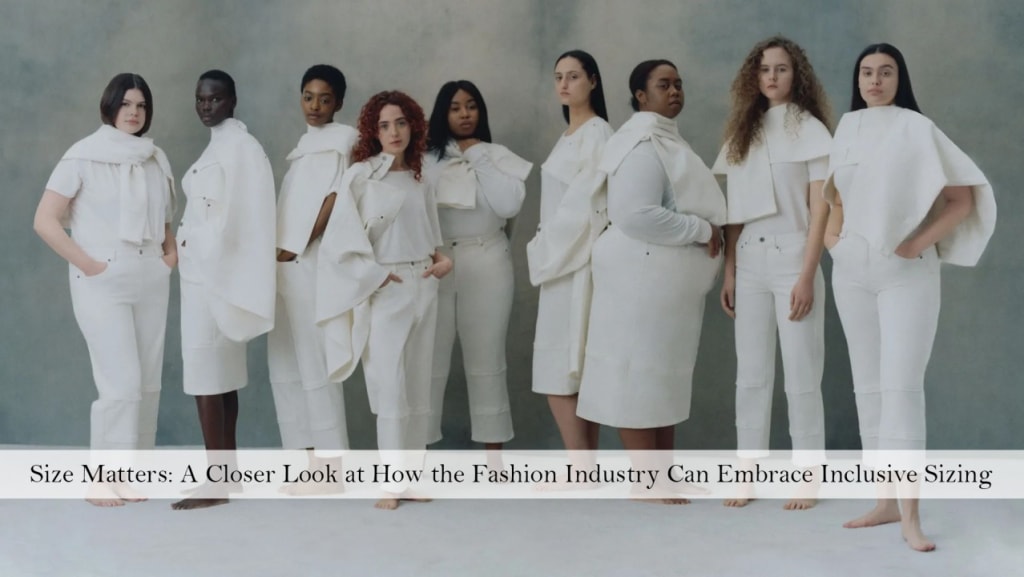
The fashion world is witnessing a powerful and overdue shift—one that centres around inclusivity and diversity. As consumer expectations evolve, the garment industry is responding to the growing demand for inclusive fashion by designing for all body types, gender expressions, abilities, and cultural identities. What once was a limited and often exclusive space is transforming into a more representative and empathetic industry that truly reflects the people it serves.
Inclusive fashion isn’t just a trend—it’s a movement. From extended sizing and adaptive clothing to gender-neutral collections and culturally respectful design, brands across the globe are reimagining how fashion can empower every individual.
Let’s break down how the garment industry is adapting to this essential call for inclusion:
1. Breaking the Mold of Traditional Sizing
Historically, the fashion industry catered to a narrow standard of beauty and body shape. For decades, most brands designed clothing based on a limited size range (typically XS–XL), which excluded a significant portion of consumers.
Today, that mold is being shattered. Fashion labels are increasingly offering extended sizing, with many expanding up to 4X, 5X, or higher, and even creating customizable sizing options. This not only allows plus-size individuals to access trendy, well-made clothes, but also sends a message of body acceptance.
Brands like Universal Standard, Savage X Fenty, and ASOS Curve have led the way in showcasing how size inclusivity can be both stylish and profitable. The success of these lines proves that when people are included in fashion, they respond with loyalty and enthusiasm.
2. Adaptive Clothing for People with Disabilities
Another major step forward in inclusive fashion is the rise of adaptive clothing—garments designed for people with physical disabilities, chronic illnesses, or limited mobility. These pieces often feature magnetic closures, adjustable hems, sensory-friendly fabrics, and seated-wear designs.
Adaptive fashion addresses a critical gap that the mainstream industry overlooked for too long. Now, brands like Tommy Hilfiger Adaptive, Zappos Adaptive, and Target’s Cat & Jack Adaptive Line are making waves with collections that combine functionality, comfort, and style.
Importantly, these initiatives are not just about practicality—they’re about dignity and self-expression. Everyone deserves clothing that fits not just their bodies, but their lives.
3. Gender-Inclusive and Non-Binary Fashion
As the world increasingly acknowledges the spectrum of gender identities, fashion is evolving beyond the binary constraints of “men’s” and “women’s” clothing. Gender-neutral or unisex collections are becoming more common, offering styles that reject outdated norms and embrace self-expression.
Designers like Telfar, Collina Strada, and Rad Hourani are blurring the lines between traditionally gendered styles, while major retailers are beginning to carry unisex lines or merge men’s and women’s sections entirely.
This shift isn’t just for gender-nonconforming individuals; it also speaks to a broader cultural movement toward freedom in fashion. People want to wear what feels authentic to them, not what society tells them is appropriate for their gender.
4. Celebrating Cultural Diversity Through Fashion
Inclusive fashion also means embracing the world’s rich tapestry of cultural traditions and aesthetics. Brands are being called to move beyond tokenism and into authentic representation—designing collections that honour and include diverse cultures, rather than appropriating them.
From indigenous textiles to traditional prints and silhouettes, fashion houses are collaborating with cultural artisans and designers to create garments that respect heritage and tell real stories.
This push for cultural inclusion has led to a surge in Afrocentric, South Asian, Indigenous, and Latinx fashion lines, each carving out a space in both local and global markets. Moreover, the presence of models, stylists, and creatives from varied backgrounds helps ensure authentic representation at every stage of design and promotion.
5. Inclusive Representation in Marketing and Runways
Diversity in design must be matched by diversity in visibility. Marketing campaigns, runway shows, and social media platforms are finally showcasing models of different sizes, races, abilities, genders, and ages.
Gone are the days when one look defined “fashion.” Brands like SKIMS, Chromat, Aerie, and Rihanna’s Fenty have set new standards for inclusivity in advertising. They feature real people with real stories, creating an emotional connection that resonates deeply with consumers.
By showing a wide range of identities in their campaigns, these brands are making a powerful statement: everyone belongs in fashion.
6. Customization and Technology Empowering Personal Expression
Technology is also playing a major role in advancing inclusive fashion. AI-driven fitting tools, virtual try-ons, and custom garment platforms allow consumers to better express their individuality.
Instead of adapting to mass-market sizing or designs, people can now tailor clothing to their body, taste, and lifestyle, often right from their smartphone. Tools like True Fit or 3D body scans used by online retailers are helping brands move toward more personalized, inclusive shopping experiences.
7. The Business Case for Inclusive Fashion
Beyond social responsibility, there is a strong economic incentive for brands to embrace inclusive fashion. According to various market studies, underserved demographics—such as plus-size consumers, disabled shoppers, and LGBTQ+ individuals—represent billions of dollars in potential revenue.
Fashion that prioritizes inclusivity fosters stronger customer relationships, greater brand loyalty, and increased word-of-mouth promotion. Inclusivity isn’t just good ethics—it’s smart business.
8. Challenges and the Road Ahead
While significant progress has been made, the garment industry still has a long way to go. Tokenistic gestures, limited inclusive drops, or one-size-fits-all approaches fall short of true transformation.
To build a genuinely inclusive industry, brands must embed inclusivity into every stage—from design and production to marketing and retail. This also involves listening to underrepresented communities and creating feedback loops that inform better decisions.
Conclusion: Redefining Fashion for All
The garment industry is being redefined—not by a few trailblazing brands, but by the collective voices of consumers demanding to be seen, heard, and valued. Inclusive fashion is about more than just making clothes for everyone—it’s about changing mindsets, embracing diversity, and fostering belonging through style.
As fashion continues to evolve, the question is no longer whether inclusivity is necessary—but how fast and how deeply the industry can implement it. Because when fashion includes everyone, everyone wins.
About the Creator
textilenews
publisher
Keep reading
More stories from textilenews and writers in Styled and other communities.
How Digital Transformation Is Revolutionizing the Garment Industry: Embracing Innovation for a Smarter Future
Digital transformation is redefining the way the garment industry operates, from design to production to customer experience. As global fashion markets grow more competitive and consumer expectations evolve, garment businesses are embracing technology to remain agile, sustainable, and efficient. From 3D design tools to AI-powered inventory systems and digital fashion shows, the shift toward a digital-first model is not just a trend—it’s a necessary evolution.
By textilenews9 months ago in Styled
Plus Size Salwar Kameez Designs That Don’t Cling or Pull
Finding a plus-size salwar kameez that feels comfortable all day long shouldn’t be complicated, but too often, women end up in outfits that cling, pull, or feel tight in all the wrong places. In 2026, the trend is shifting toward designs that flatter naturally without squeezing or pulling, and the best part is that these looks don’t sacrifice style for comfort. This blog showcases the best plus-size salwar kameez designs that provide ample room to move, breathe, and feel confident, whether you’re attending a family event, heading out for a festive dinner, or simply stepping outside for a casual lunch.
By Amit Mandalabout 15 hours ago in Styled




Comments
There are no comments for this story
Be the first to respond and start the conversation.