
Tattoo Ink Contamination: A Hidden Health Risk
A Tattoo is Hidden Risk of Life

Introduction
Recent research has unveiled a troubling revelation about commercial tattoo and permanent makeup inks: a significant portion of these products are contaminated with bacteria, posing a substantial health risk to consumers. This first-of-its-kind study highlights the potential for infections and underscores the need for improved safety measures in the tattoo industry.
Study Overview
In an unprecedented study, US researchers examined 75 unopened and sealed tattoo and permanent makeup ink samples from 14 different manufacturers. They discovered that about 35% of these products were contaminated with bacteria. This contamination included both aerobic bacteria, which require oxygen, and anaerobic bacteria, which thrive in low-oxygen environments like the dermal layer of the skin.
Findings and Implications
Dr. Seong-Jae Peter Kim, a microbiologist with the Division of Microbiology at the National Center for Toxicological Research, US Food and Drug Administration (FDA), emphasized the dual threat posed by these contaminated inks. "This suggests that contaminated tattoo inks could be a source of infection from both types of bacteria," Kim stated in a news release. The findings are particularly concerning because these inks are injected into the skin, creating an ideal environment for bacterial infections.
Expert Opinions
Dr. Waleed Javaid, a professor of medicine and director of infection prevention and control at the Mount Sinai Health System in New York City, expressed his concerns about the study's findings. He noted that the contamination of tattoo inks poses a significant health risk, especially given the rising popularity of tattoos. "This contamination poses a significant health risk, as these inks are injected into the dermal layer of the skin, creating an environment conducive to bacterial infections," said Javaid, who was not involved in the study.
The Rise of Tattoos and Related Infections
Tattoos have become increasingly popular, with an estimated 32% of the US population sporting at least one tattoo. This rise in popularity has coincided with an increase in ink-related infections, making the findings of this study particularly relevant. Previous research has also demonstrated that commercial tattoo and permanent makeup inks are often contaminated with pathogenic microorganisms.
Bacterial Contamination Details
Of the 75 ink samples tested, 26 were contaminated with 34 bacterial isolates, classified into 14 genera and 22 species. Among these isolates, 19 were identified as possibly pathogenic bacterial strains. Notably, Cutibacterium acnes (four strains) and Staphylococcus epidermidis (two strains) were isolated under anaerobic conditions. The presence of both aerobic and anaerobic bacteria in the same ink samples highlights the potential danger to individuals receiving tattoos or permanent makeup.
Sterility Claims and Reality
The study found no significant association between sterility claims on ink labels and the actual absence of bacterial contamination. This discrepancy underscores the potential danger posed by tattoo and permanent makeup inks, even those labeled as sterile. "The presence of bacteria like Cutibacterium acnes and Staphylococcus epidermidis, which can cause skin infections and other complications, underscores the potential danger to individuals receiving tattoos or permanent makeup," Javaid explained.
Importance of Monitoring
Dr. Kim emphasized the importance of monitoring tattoo and permanent makeup inks for both aerobic and anaerobic bacteria, including potentially pathogenic microorganisms. The study's findings highlight the need for more efficient and accurate microbial detection methods to streamline the monitoring process and prevent future contamination.
Counseling Patients
Healthcare professionals play a crucial role in counseling patients about the risks associated with tattoos. Dr. Javaid suggested that clinicians inform patients about the potential for infections, allergic reactions, and other complications related to tattooing and permanent ink. Specific advice includes ensuring that the tattoo parlor adheres to strict hygiene practices and verifying that tattoo inks are from reputable sources and, if possible, have undergone sterilization.
Aftercare and Precautions
Proper aftercare is essential to minimize the risk of infection. Clinicians should recommend that patients with compromised immune systems or skin conditions reconsider getting a tattoo. Additionally, patients should be aware of the signs of infection and seek medical attention promptly if any symptoms arise.
Regulatory Measures
Enhanced regulatory measures are essential to reduce the risk of infections and ensure safer tattooing practices for consumers. The findings of Kim and colleagues indicate that current manufacturing and sterilization processes are inadequate. Proposed regulations include stricter manufacturing standards to ensure sterility, mandatory testing of inks for microbial contamination before they reach the market, clear labeling requirements that accurately reflect the sterility and safety of products, and regular inspections and audits of tattoo ink manufacturers. These measures could encourage the development of more effective sterilization techniques to eliminate bacterial contamination.
Conclusion
The FDA has created a document, "Think Before You Ink: Tattoo Safety," to guide consumers who are considering getting a tattoo. Ensuring safer tattooing practices requires awareness, better regulations, and stringent monitoring of tattoo inks to protect public health. The findings of this study highlight the urgent need for improved safety measures in the tattoo industry to prevent bacterial contamination and safeguard consumer health.
About the Creator
Keep reading
More stories from Pankaj Bonde and writers in Styled and other communities.
Microsoft's CISPE Settlement for Suspension of audits for members: A Two-Year Moratorium on Audits
Introduction Microsoft has reached a settlement with the Cloud Infrastructure Services Providers in Europe (CISPE), part of which includes a notable two-year suspension of software audits for CISPE members. This agreement follows a complaint filed by CISPE with the European Commission in November 2022, addressing issues related to Microsoft's pricing and licensing practices. This article delves into the details of the settlement, the implications for the cloud industry, and the reactions from various stakeholders.
By Pankaj Bondeabout a year ago in Journal
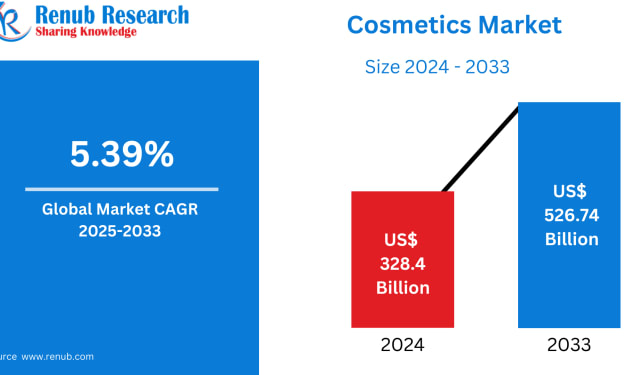
Global Cosmetics Market Size & Forecast 2025–2033
Introduction The global cosmetics market is undergoing one of the most dynamic transformations in its history. No longer defined solely by glamour and aesthetics, the modern beauty industry is increasingly driven by innovation, sustainability, digital engagement, and consumer awareness. From vegan formulations and personalized skincare to AI-powered beauty consultations and social commerce, cosmetics has become a powerful intersection of lifestyle, science, and identity.
By Marthan Sir6 days ago in Styled
Diamond Market Size and Forecast 2025–2033
Introduction The global diamond industry stands at the intersection of tradition, innovation, and evolving consumer values. Long regarded as a symbol of wealth, love, and permanence, diamonds continue to occupy a central position in the luxury goods sector while simultaneously gaining prominence in advanced industrial applications. According to Renub Research, the Diamond Market is expected to reach US$ 54.67 billion by 2033, up from US$ 40.08 billion in 2024, growing at a CAGR of 3.51% during 2025–2033.
By jaiklin Fanandish6 days ago in Styled
Center Stage with Paul Stewart
*** I'm keen to republish the interviews I did for my series with Vocal creators. It's been a few years and I thought it might be nice to revisit these wonderful conversations. I'll be releasing them one at a time for a few weeks/months.
By Heather Hubler5 days ago in Interview


Comments
There are no comments for this story
Be the first to respond and start the conversation.