
Sustainable Innovations in the Apparel Industry Today: Pioneering the Future of Fashion
The Future of Fashion: Innovations Driving a Sustainable Apparel Revolution


The apparel industry is undergoing a profound transformation, driven by the urgent need for sustainability in response to climate change, overconsumption, waste, and environmental degradation. Once known for its resource-heavy, wasteful processes, the fashion world is now innovating rapidly, adopting sustainable practices across the supply chain—from raw material sourcing to end-of-life garment recycling. This shift is not only a response to consumer demand but also a necessary evolution for long-term industry viability. This article explores the cutting-edge innovations shaping a greener future in apparel, categorized into key focus areas:
1. Sustainable Fabrics and Alternatives
One of the most visible areas of innovation lies in materials. Traditional fabrics like cotton and polyester are notorious for their water use, pesticide dependence, and microplastic pollution. In response, brands and researchers are exploring more sustainable textile options:
- Organic and Regenerative Cotton: Grown without synthetic chemicals and with better soil health practices, regenerative cotton aims to sequester carbon and enhance biodiversity.
- Recycled Fibres: Materials like rPET (recycled polyester) and recycled nylon reduce landfill waste and minimize virgin resource extraction.
- Best Fibbers: Hemp, flax (linen), and jute require less water and fewer chemicals, making them more sustainable alternatives.
- Bio-Based Materials: Innovations include Piñatex (pineapple leaf fibber), Mylo (mycelium-based leather), and Orange Fibber (from citrus peels)—all derived from agricultural waste.
- Lab-Grown and Protein-Based Textiles: Companies like Spier and Bolt Threads are engineering spider silk and other protein-based fibbers in labs, aiming for biodegradability and low environmental impact.
2. Circular Fashion Systems
The concept of circularity—where products are designed to be reused, repaired, and recycled—has gained major traction:
- Clothing Rental and Resale Platforms: Services like Rent the Runway and Thred Up help extend the life cycle of garments, reducing demand for new production.
- Take-Back Programs and Textile Recycling: Brands such as Patagonia and H&M are investing in take-back schemes where consumers return used clothing for recycling or resale.
- Design for Disassembly: New garment construction methods allow for easier separation of materials, facilitating recycling and reprocessing.
- Closed-Loop Production: Companies like Renew cell and Worn Again Technologies are developing processes to chemically recycle old textiles into high-quality new fibbers.
3. Eco-Friendly Dyeing and Finishing Techniques
Conventional dyeing is water-intensive and highly polluting. Innovative processes are now offering cleaner solutions:
- Waterless Dyeing Technologies: Methods like CO₂ dyeing (e.g., by DyeCoo) use compressed carbon dioxide to apply dyes without water.
- Natural Dyes and Microbial Coloration: Using plant-based dyes and genetically modified bacteria to produce colour with less chemical waste.
- Digital and Inkjet Printing: These techniques allow for precise colour application, reducing dye waste and water use.
- Enzyme and Plasma Finishing: Replacing harsh chemicals with enzymes or plasma treatments helps improve textile properties with minimal environmental footprint.
4. Transparent and Traceable Supply Chains
Consumer awareness and ethical concerns are pushing brands to become more transparent:
- Blockchain for Supply Chain Tracking: Tools like Provenance and Textile Genesis help verify the origin and journey of garments, ensuring accountability and reducing greenwashing.
- Digital Product Passports: A digital record embedded in each product provides information about its material, manufacturing, and lifecycle.
- Third-Party Certifications: Labels such as GOTS (Global Organic Textile Standard), OEKO-TEX, Fair Trade, and Blue sign give consumers confidence in product sustainability.
5. On-Demand and Localized Manufacturing
Overproduction and fast fashion have led to massive waste. On-demand production models address this:
- 3D Knitting and Robotic Manufacturing: Technologies like Shima Seiki’s WHOLEGARMENT allow brands to produce zero-waste, custom-fit garments on demand.
- Made-to-Order Platforms: Start-ups are enabling customers to design and order clothes that are only made after purchase, reducing overstock and unsold inventory.
- Micro factories and Local Production Hubs: These decentralized systems reduce transportation emissions and support regional economies.
6. Sustainable Packaging and Logistics
Sustainability in fashion doesn't stop at the garment—it extends to how products are shipped and packaged:
- Biodegradable and Compostable Packaging: Replacing plastic polybags with materials like mushroom-based foam, seaweed, or paper.
- Reusable Packaging Systems: Services like RePack allow customers to return packaging for reuse.
- Carbon-Neutral Shipping: Some brands offset their logistics emissions by investing in reforestation or renewable energy projects.
7. Behavioural Change Through Technology and Education
Technology is not only reshaping production but also influencing how consumers interact with fashion:
- Virtual Try-Ons and AI Sizing Tools: Reduce returns and waste by helping consumers choose the right fit and style the first time.
- Wardrobe Apps and Digital Closet Management: Encourage consumers to maximize the use of what they already own.
- Gamified Sustainability Learning: Apps and online platforms engage users in challenges that promote sustainable shopping habits.
8. Policy, Regulation, and Industry Collaboration
Governments and industry bodies are beginning to enforce sustainable standards:
- Extended Producer Responsibility (EPR): New regulations require brands to take responsibility for the end-of-life impact of their products.
- EU Strategy for Sustainable and Circular Textiles: Aims to make all textiles on the European market durable, repairable, and recyclable by 2030.
- Industry Alliances: Groups like the Sustainable Apparel Coalition and Fashion Pact bring stakeholders together to set common sustainability goals.
Conclusion: A Collective Shift Toward Responsibility
Sustainable innovations in the apparel industry today represent more than a trend—they signify a fundamental rethinking of how fashion is created, consumed, and disposed of. While challenges remain, including scaling new technologies and overcoming economic pressures, the progress is undeniable. Through the combined efforts of scientists, designers, brands, regulators, and consumers, fashion is stepping into an era where style and sustainability no longer conflict but coexist as cornerstones of the future.
Whether it’s lab-grown textiles, AI-powered design, circular supply chains, or eco-conscious consumer behaviour, the innovations taking shape today are setting the tone for a more ethical, inclusive, and environmentally respectful industry tomorrow.
About the Creator
textilenews
publisher
Keep reading
More stories from textilenews and writers in Styled and other communities.
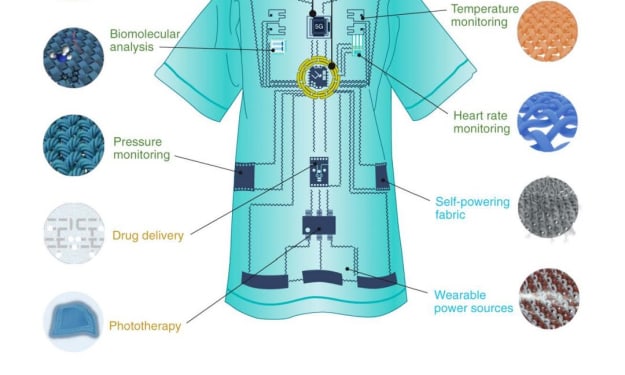
Smart Fabrics in 2025: The Future of Health Monitoring in Everyday Clothing
In 2025, smart fabrics are no longer a futuristic concept or niche innovation; they have woven themselves into the fabric of our daily lives—literally. As the demand for personalized healthcare grows and technology continues to evolve, the fusion of textiles with advanced sensors, conductive threads, and micro-electronics has brought forth a new category of garments known as smart clothing industry. These innovations are transforming how we think about both fashion and health by turning what we wear into continuous health-monitoring systems.
By textilenews9 months ago in Styled
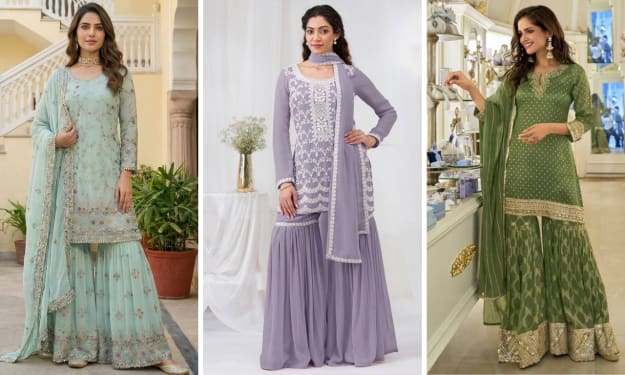
Eid Dressing Made Easy: Sharara Suits That Feel Light All Day
Eid is a long, beautiful day. From morning prayers and family visits to afternoon meals and evening gatherings, you’re on your feet, moving around, meeting people, and celebrating. That’s why, in 2026, women are choosing outfits that don’t just look festive, they feel easy from morning to night. And that’s exactly where sharara suits come in.
By Amit Mandal7 days ago in Styled
Wild Card Weekend Recap: What Happens Now?
I think I figured out why I love Wild Card Weekend so much. It's because it's the first playoff anything of the calendar year. The NFL season starts in the fall, and once upon a time, the champion was crowned either on or slightly before New Year's. The evolution of the NFL schedule has resulted in the playoffs starting just into the New Year, and currently, the final week of the season falls on the first weekend of the New Year, with Wild Card Weekend coming a week after that. So yes, chronologically, the NFL's Wild Card Weekend serves as the first playoff anything of the calendar year.
By Clyde E. Dawkins7 days ago in Unbalanced


Comments
There are no comments for this story
Be the first to respond and start the conversation.