
Smart Fabrics in 2025: The Future of Health Monitoring in Everyday Clothing
Smart Fabrics in 2025: How Wearable Tech Is Revolutionizing Health and Everyday Life

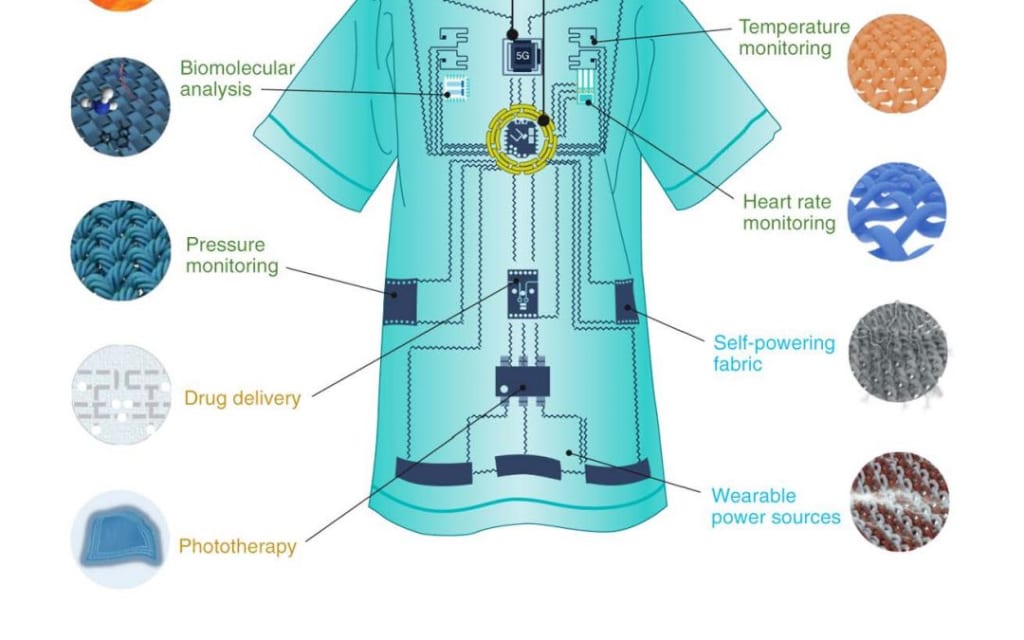
In 2025, smart fabrics are no longer a futuristic concept or niche innovation; they have woven themselves into the fabric of our daily lives—literally. As the demand for personalized healthcare grows and technology continues to evolve, the fusion of textiles with advanced sensors, conductive threads, and micro-electronics has brought forth a new category of garments known as smart clothing industry. These innovations are transforming how we think about both fashion and health by turning what we wear into continuous health-monitoring systems.
This article explores how smart fabrics are integrating health monitoring into everyday wear, the technologies enabling this transformation, the key applications and benefits, and the challenges and future prospects of this dynamic field.
1. What Are Smart Fabrics?
Smart fabrics, also known as e-textiles or electronic textiles, are materials that can sense and react to environmental stimuli, including changes in temperature, movement, pressure, and even biometric data. In 2025, these fabrics have advanced to the point where they can:
- Monitor vital signs like heart rate, temperature, and respiration.
- Track physical activity and posture.
- Detect changes in emotional or stress levels via biometric indicators.
- Communicate data wirelessly to mobile apps or cloud systems.
These functions are achieved through the integration of flexible electronics, nano-sensors, and smart polymers within the fabric structure—without compromising comfort or style.
2. Key Technologies Driving Smart Fabric Innovation
The smart fabrics revolution in 2025 is driven by multiple technological advancements:
- Conductive Threads & Fibbers: Threads made from materials like silver, graphene, and carbon nanotubes enable electrical conductivity within the fabric.
- Flexible Sensors: Embedded sensors can detect physiological signals with high precision, even during movement.
- Wireless Communication (Bluetooth, 5G, NFC): Enables seamless data transfer between clothing and external devices.
- Energy Harvesting & Low-Power Electronics: Some garments are self-powered through kinetic energy or solar panels, minimizing the need for external charging.
- AI & Cloud Analytics: Raw data collected by smart fabrics is processed using machine learning to deliver meaningful health insights.
Together, these technologies allow smart clothing to offer real-time, non-invasive health monitoring in a user-friendly and discreet way.
3. Applications in Health Monitoring
In 2025, smart fabrics have found widespread adoption across multiple domains, particularly in healthcare, fitness, and occupational safety.
A. Chronic Disease Management
For patients with conditions such as diabetes, cardiovascular issues, or respiratory disorders, smart garments offer:
- Continuous glucose monitoring (CGM) through interstitial fluid sensors.
- ECG and blood pressure tracking via chest straps or integrated patches.
- Breathing pattern analysis for asthma or sleep apnea management.
This enables real-time alerts and reduces hospital visits through proactive care.
B. Fitness and Performance Optimization
Athletes and fitness enthusiasts wear smart clothing that tracks:
- Caloric burn and muscle activity.
- Hydration levels.
- Posture and form, helping to avoid injury and enhance training outcomes.
These garments act as personal trainers, offering immediate feedback via apps or smart glasses.
C. Mental Health and Stress Detection
Some smart fabrics monitor galvanic skin response, heart rate variability, and temperature to detect stress and emotional states. This is particularly useful in:
- Workplace wellness programs.
- Anxiety or PTSD management.
- Mindfulness and relaxation training.
D. Elderly and Infant Care
Smart fabrics play a critical role in caregiving, particularly for:
- Detecting falls or unusual activity in seniors.
- Monitoring infant breathing and temperature to reduce SIDS risk.
The ability to monitor vulnerable populations passively and non-invasively is a game changer for both professional caregivers and families.
4. Fashion Meets Function: Everyday Integration
What sets smart fabrics in 2025 apart is how seamlessly they integrate into everyday clothing:
- Stylish Design: Collaborations between fashion designers and tech developers have led to garments that are both aesthetically pleasing and highly functional.
- Wash ability and Durability: Thanks to innovations in textile coatings and encapsulation, most smart garments are now machine-washable and durable for daily use.
- Affordability: Prices have decreased due to mass production and standardization, making smart clothing accessible to a wider demographic.
From business suits that track your stress levels during meetings to casual wear that adjusts thermal regulation based on weather or activity, smart fabrics are no longer confined to labs—they’re part of everyday wardrobes.
5. Challenges to Overcome
Despite the promising outlook, smart fabrics still face some hurdles:
- Data Privacy and Security: Constant health data collection raises concerns about consent, storage, and sharing.
- Battery Life and Energy Management: While progress has been made, long-lasting, lightweight power sources remain a priority.
- Standardization: A lack of industry standards can result in interoperability issues between devices and platforms.
- Regulatory Approval: Smart clothing used for medical purposes must meet stringent health regulations, which can slow down development and adoption.
Addressing these challenges is crucial for scaling and sustaining smart fabric adoption in the healthcare ecosystem.
6. The Future Outlook
Looking ahead, smart fabrics will only become smarter. Future developments include:
- Self-Healing Materials: Fabrics that can repair minor damages or maintain conductivity after wear.
- Personalized Medicine Integration: Real-time medication dosing based on sensor feedback.
- Biometric Authentication: Clothing that serves as a secure digital ID through unique physiological markers.
We’re also likely to see integration with augmented reality (AR) for immersive health education and quantum sensors for even more precise diagnostics. The blending of biotechnology, nanotech, and textile science will further enhance the capabilities of smart clothing.
Conclusion: A Wearable Health Revolution
In 2025, smart fabrics are redefining the relationship between health and lifestyle. No longer relegated to fitness bands or medical devices, health monitoring has become a part of our daily attire—comfortable, continuous, and convenient. By turning ordinary clothing into life-enhancing tools, smart fabrics are bridging the gap between technology and personal well-being, ultimately empowering people to take control of their health like never before.
As this innovation continues to mature, one thing is clear: the future of health isn’t just digital—it’s wearable.
About the Creator
textilenews
publisher
Keep reading
More stories from textilenews and writers in Styled and other communities.
AEPC's Strategic Expansion: Indian Apparel Targets New Markets in 2025-26
The Indian apparel industry stands on the brink of a transformative era as the Apparel Export Promotion Council (AEPC) unveils an ambitious strategic expansion plan for 2025-26. With global dynamics shifting and the appetite for diverse, high-quality fashion growing, AEPC’s focus on opening new markets reflects a bold vision to solidify India’s place as a global fashion powerhouse. Below, we explore the key elements of this initiative and its potential impact on the apparel landscape.
By textilenews9 months ago in Styled
Eid Dressing Made Easy: Sharara Suits That Feel Light All Day
Eid is a long, beautiful day. From morning prayers and family visits to afternoon meals and evening gatherings, you’re on your feet, moving around, meeting people, and celebrating. That’s why, in 2026, women are choosing outfits that don’t just look festive, they feel easy from morning to night. And that’s exactly where sharara suits come in.
By Amit Mandal7 days ago in Styled
How To Dye A Wig?
Hey Sis! So you saw that fire honey-blonde balayage on TikTok, or maybe you’re feeling that midnight blue fantasy, but the thought of bleaching your own curls colored wigs has you saying, “Absolutely not.” I get it—our hair is our crown, and sometimes you don’t want to risk the throne.
By manman zhai7 days ago in Styled
Wild Card Weekend Recap: What Happens Now?
I think I figured out why I love Wild Card Weekend so much. It's because it's the first playoff anything of the calendar year. The NFL season starts in the fall, and once upon a time, the champion was crowned either on or slightly before New Year's. The evolution of the NFL schedule has resulted in the playoffs starting just into the New Year, and currently, the final week of the season falls on the first weekend of the New Year, with Wild Card Weekend coming a week after that. So yes, chronologically, the NFL's Wild Card Weekend serves as the first playoff anything of the calendar year.
By Clyde E. Dawkins7 days ago in Unbalanced



Comments
There are no comments for this story
Be the first to respond and start the conversation.