
Sustainable Home Textile Technology: The Next Big Trend
The Future of Home Textiles: How Sustainable Technology is Transforming the Industry
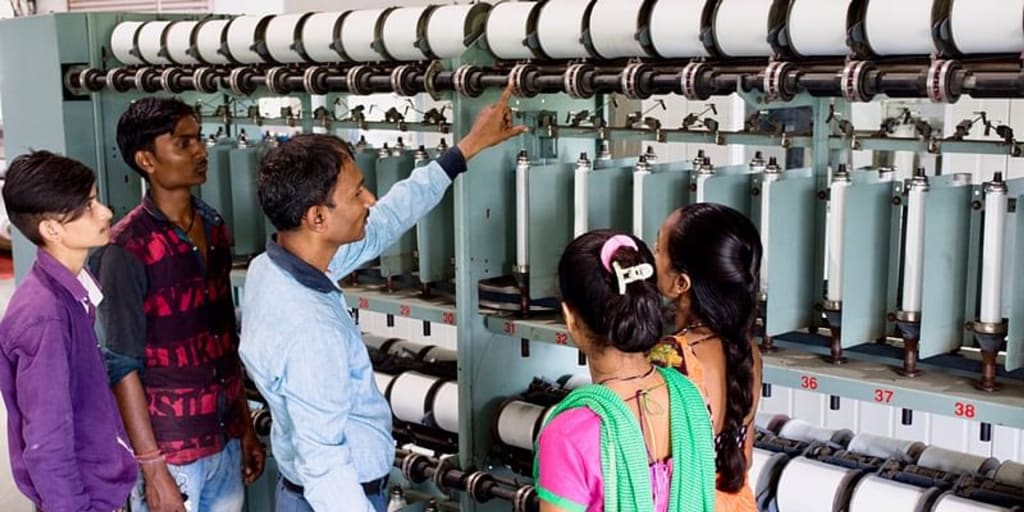
The home textile industry is undergoing a major transformation, driven by a growing demand for sustainability and eco-friendly manufacturing practices. Consumers today are more conscious of the environmental impact of their choices, leading textile manufacturers to adopt innovative technologies that reduce waste, conserve resources, and promote ethical production. Sustainable home textile technology is emerging as the next big trend, influencing everything from material selection and production processes to recycling and smart textiles.
This shift is not just about environmental responsibility—it also reflects changing consumer behaviour, regulatory pressures, and technological advancements. This article explores how sustainable home textile technology is reshaping the industry and what the future holds for eco-friendly textiles.
1. Eco-Friendly Raw Materials
One of the key aspects of sustainable home textiles is the use of environmentally friendly raw materials. These materials reduce dependence on non-renewable resources and minimize harmful impacts on ecosystems.
- Organic Cotton: Unlike conventional cotton, organic cotton is grown without synthetic pesticides and fertilizers, reducing soil degradation and water contamination.
- Hemp & Linen: Both hemp and linen require less water and fewer pesticides compared to cotton, making them ideal for sustainable textile production.
- Recycled Fabrics: Many manufacturers are turning to recycled polyester, nylon, and cotton to reduce textile waste and extend the life cycle of materials.
- Bamboo Fibbers: Bamboo grows rapidly without the need for excessive water or chemicals, making it a renewable and biodegradable fabric choice.
By adopting these materials, textile manufacturers contribute to a more sustainable supply chain while offering consumers high-quality, eco-conscious products.
2. Water-Saving & Energy-Efficient Manufacturing
Textile production is traditionally resource-intensive, consuming large amounts of water and energy. However, innovative technologies are helping manufacturers minimize their environmental footprint.
- Waterless Dyeing Technologies: Traditional dyeing processes require excessive water usage and produce chemical waste. Waterless dyeing methods, such as CO₂ dyeing and digital printing, significantly reduce water consumption.
- Energy-Efficient Machinery: AI-powered automation and energy-efficient machines help optimize textile production by reducing electricity consumption and minimizing emissions.
- Solar & Wind Energy Integration: Many textile factories are now integrating renewable energy sources like solar and wind power to decrease their reliance on fossil fuels.
- Closed-Loop Water Systems: Recycling and reusing water within manufacturing plants prevents excessive water waste and reduces pollution.
These advancements not only make home textile manufacturing more sustainable but also cut costs for producers, creating a win-win situation for businesses and the environment.
3. Smart & Biodegradable Textiles
Technological advancements have led to the rise of smart textiles that combine sustainability with functionality. These textiles are designed to be more durable, energy-efficient, and biodegradable.
- Self-Cleaning Fabrics: Some home textiles now feature self-cleaning properties using nanotechnology, reducing the need for frequent washing and detergent use.
- Temperature-Regulating Fabrics: Smart textiles embedded with phase-change materials help regulate temperature, reducing the need for energy-consuming heating and cooling.
- Biodegradable Textiles: Innovations in fibber development have led to biodegradable textiles that decompose naturally at the end of their life cycle, reducing landfill waste.
By incorporating these advanced materials, manufacturers ensure that home textiles remain sustainable while offering improved performance and comfort.
4. Ethical & Transparent Supply Chains
Sustainability is not just about materials and production methods—it also extends to ethical labour practices and transparency in the supply chain.
- Fair Trade & Ethical Sourcing: Brands that prioritize fair wages, safe working conditions, and responsible sourcing of materials ensure ethical sustainability.
- Blockchain for Transparency: Many companies are now using blockchain technology to track the origins of raw materials, ensuring authenticity and ethical sourcing.
- Reducing Carbon Footprint: Sustainable logistics solutions, such as local sourcing and carbon-neutral shipping, help lower transportation-related emissions.
Consumers today value transparency and ethical business practices, and companies that embrace these principles gain a competitive advantage in the market.
5. Recycling & Circular Economy in Home Textiles
One of the most impactful trends in sustainable home textile technology is the shift towards a circular economy. This approach emphasizes recycling, reusing, and repurposing materials to reduce textile waste.
- Take-Back Programs: Many brands now offer programs where customers can return old textiles for recycling or repurposing.
- Upcycled Home Textiles: Upcycling involves transforming discarded fabrics into new, stylish home textiles such as rugs, curtains, and bedding.
- Zero-Waste Manufacturing: Some manufacturers are implementing zero-waste policies, ensuring that fabric scraps are repurposed rather than discarded.
A circular economy in the textile industry helps minimize waste while encouraging responsible consumer habits.
6. Consumer Awareness & Market Demand
The rise of sustainable home textiles is largely driven by increased consumer awareness and demand for eco-friendly products. Several factors are influencing this shift:
- Eco-Conscious Consumer Behaviours: More people are willing to pay a premium for sustainable products, encouraging manufacturers to invest in green technologies.
- Government Regulations & Certifications: Policies promoting sustainability, such as bans on toxic chemicals and incentives for eco-friendly production, are shaping the industry.
- Sustainability Certifications: Labels such as GOTS (Global Organic Textile Standard), OEKO-TEX, and Fair Trade provide consumers with assurance of a product’s environmental and ethical standards.
As sustainability continues to influence purchasing decisions, brands that adopt eco-friendly practices gain stronger customer loyalty and market recognition.
7. Future of Sustainable Home Textile Technology
Looking ahead, sustainable home textile technology will continue to evolve with advancements in science and consumer-driven innovation.
- AI & Big Data for Sustainable Production: AI-driven analytics will optimize resource usage, predict demand more accurately, and reduce overproduction.
- 3D Printing & On-Demand Manufacturing: 3D printing technologies could revolutionize textile manufacturing by reducing waste and enabling customized, on-demand production.
- Bio fabrication & Lab-Grown Fibbers: Scientists are exploring lab-grown fibber's made from natural proteins, such as spider silk and mycelium, offering new sustainable alternatives.
These innovations will further enhance the environmental responsibility of home textile manufacturing while meeting the growing demand for high-quality, sustainable products.
Conclusion
Sustainable home textile technology is more than just a passing trend—it is the future of the industry. With innovations in eco-friendly materials, energy-efficient manufacturing, smart textiles, ethical supply chains, and recycling initiatives, the industry is setting new standards for environmental responsibility.
As consumers continue to demand sustainable options, manufacturers that embrace green technology will thrive in the competitive market. By investing in sustainability today, the home textile industry is paving the way for a greener, more responsible future.
About the Creator
Keep reading
More stories from Hometextile and writers in Styled and other communities.
How AI-Powered Forecasting Is Optimizing Home Textile Production
The home textile industry, encompassing products like bedding, curtains, upholstery, and rugs, has traditionally relied on historical sales data and market trends to predict demand and plan production. However, the rapid changes in consumer preferences, economic fluctuations, and supply chain disruptions have made traditional forecasting methods increasingly inadequate.
By Hometextile10 months ago in Styled
Lordhair vs Lavivid: A Wearer's Take
I didn't plan on comparing brands. I just wanted to share my own experience and thoughts. The Situation By the time I started wearing a hair system, I’d already spent too much energy reading forums, watching videos, and second‑guessing myself. Every option sounded perfect until it wasn’t.
By Ryan Collins6 days ago in Styled
What to Wear to Engagement Ceremonies: Silk Salwar Suit Ideas
Engagement ceremonies are special, but they’re also slightly tricky to dress for. You want to look festive and polished, but not as heavy as you would for the wedding day itself. In 2026, many women are finding the perfect balance with silk salwar suits outfits that feel rich, graceful, and comfortable without going over the top.
By Amit Mandal6 days ago in Styled
So You Decided To Become a Nurse Practitioner:
So you decided to become an "Advanced Practice" nurse. Congratulations!... is what I would say if this was a good idea. Grad school? In this economy? What were you thinking? Likely it was something along the lines of either 1) “I've seen these other chucklefucks do it— Why can't I?” or even 2) “I've got a nice career, I should shake it up. I miss feeling like I have no clue what I'm doing.”
By Sandor Szabo6 days ago in Fiction




Comments
There are no comments for this story
Be the first to respond and start the conversation.