
Saks Fifth Avenue to Shutter Canal Place Location: A Turning Point for Luxury Retail in New Orleans
The closure of the iconic department store at Canal Place reflects shifting consumer habits, economic pressures, and the evolving future of brick-and-mortar retail.
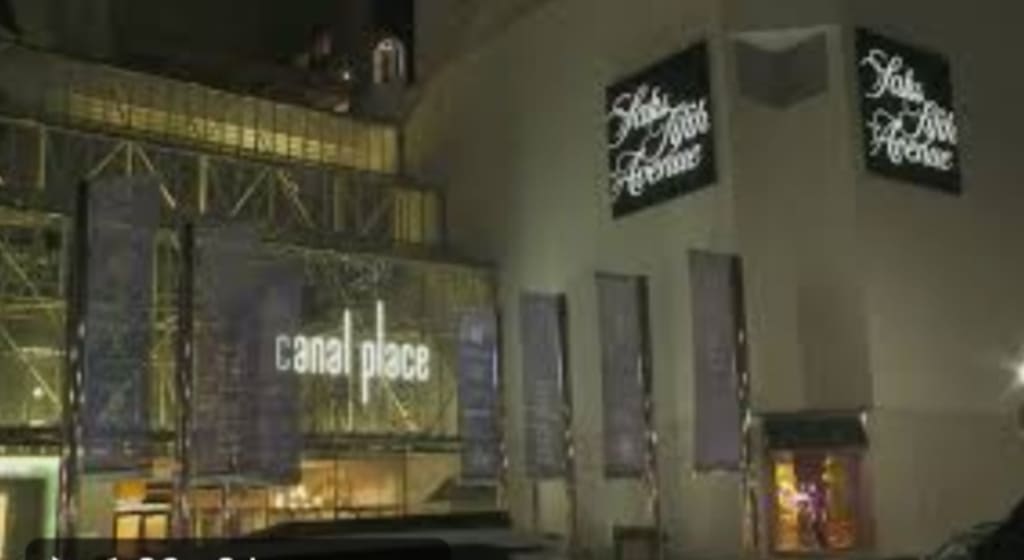
Saks Fifth Avenue, one of America’s most recognized luxury department store chains, is set to close its Canal Place location in New Orleans, marking the end of an era for upscale retail in the city. The decision has sparked conversations among shoppers, retail analysts, and local business leaders about the future of luxury shopping in regional markets and the broader transformation of the retail industry.
Located in the heart of downtown New Orleans, Canal Place has long been associated with premium shopping experiences. Saks Fifth Avenue served as one of its anchor tenants, drawing both local customers and tourists seeking high-end fashion, designer labels, and exclusive collections. The store’s departure represents not just the loss of a retailer, but a significant shift in the commercial landscape of the area.
A Symbol of Luxury Retail
For decades, Saks Fifth Avenue has been synonymous with sophistication and prestige. Founded in 1924, the brand built its identity around curated luxury fashion, personalized service, and a premium in-store experience. Its Canal Place store was more than just a shopping destination; it was a symbol of New Orleans’ connection to global fashion trends and upscale consumer culture.
The closure of such a prominent location raises questions about the sustainability of large-format luxury department stores in today’s economic climate. While Saks continues to operate in major metropolitan hubs, regional and smaller-market stores have faced mounting challenges.
Changing Consumer Behavior
One of the primary drivers behind this decision is the dramatic shift in consumer behavior over the past decade. E-commerce has reshaped the way people shop, especially in the luxury segment. Online platforms now offer convenience, competitive pricing, and an expansive range of products that physical stores often struggle to match.
The COVID-19 pandemic further accelerated this trend. Lockdowns and social distancing measures pushed even traditionally in-store shoppers toward digital channels. Although foot traffic has rebounded in many cities, it has not fully returned to pre-pandemic levels in several regional shopping centers.
Luxury brands have also increasingly focused on direct-to-consumer models, investing heavily in their own standalone boutiques and online stores. This reduces reliance on department stores as intermediaries. As a result, retailers like Saks must continually reassess which physical locations remain financially viable.
Economic Pressures and Operational Costs
Operating a large luxury department store involves significant overhead costs, including rent, staffing, utilities, and inventory management. In prime downtown locations such as Canal Place, these costs can be particularly high.
Inflation, rising labor expenses, and supply chain disruptions have further squeezed profit margins across the retail sector. For many companies, streamlining operations and consolidating underperforming locations has become a necessary strategy to maintain overall profitability.
While Saks has not publicly detailed the specific financial performance of the Canal Place store, industry observers suggest that foot traffic and sales volume likely played a role in the decision. Retailers today rely heavily on data analytics to evaluate store productivity, and closures are often the result of careful financial analysis rather than sudden setbacks.
Impact on Canal Place and the Local Economy
The departure of Saks Fifth Avenue will undoubtedly have a ripple effect on Canal Place and surrounding businesses. Anchor tenants play a crucial role in driving customer traffic to shopping centers. Without a major luxury retailer drawing visitors, smaller stores and restaurants within the complex may experience a decline in footfall.
For employees, the closure also brings uncertainty. Staff members may face job displacement, although some could be offered opportunities at other Saks locations or within the company’s broader network. Workforce transitions are often one of the most immediate and personal consequences of retail closures.
City officials and commercial property managers will now face the challenge of attracting a new anchor tenant capable of revitalizing the space. In many cases, former department store locations are repurposed into mixed-use developments, entertainment venues, or experiential retail concepts designed to align with modern consumer preferences.
The Future of Luxury Retail
The closure of the Canal Place store reflects a broader transformation in the luxury retail sector. Today’s affluent consumers prioritize experiences, personalization, and digital convenience. Brands are responding by investing in smaller, more curated physical stores that function as showrooms, complemented by robust online platforms.
Omnichannel retailing — seamlessly integrating in-store and online shopping — has become the industry standard. Customers expect services such as buy-online-pickup-in-store (BOPIS), easy returns, and personalized digital recommendations. Retailers unable to adapt to these expectations often struggle to compete.
At the same time, luxury shopping is increasingly concentrated in major global cities and high-tourism destinations. Flagship stores in places like New York, Los Angeles, and Miami continue to thrive due to dense populations and international visitors. Regional markets, however, face stiffer competition from online alternatives.
A Moment of Reflection
For New Orleans residents, the closure of Saks Fifth Avenue at Canal Place may evoke a sense of nostalgia. The store has been part of the city’s retail fabric for years, serving generations of shoppers celebrating milestones, holidays, and special occasions.
Yet, this development also underscores the resilience and adaptability of urban commercial districts. Retail landscapes are constantly evolving, shaped by technology, economic cycles, and cultural shifts. What replaces Saks at Canal Place could signal the next chapter for downtown New Orleans — whether that means innovative retail concepts, hospitality ventures, or mixed-use redevelopment.
Conclusion
The decision to shutter the Saks Fifth Avenue location at Canal Place is more than a single-store closure; it is a reflection of the profound changes sweeping through the retail industry. As consumer habits evolve and economic pressures mount, even iconic brands must recalibrate their physical presence.
While the loss of Saks marks the end of a significant chapter for luxury retail in New Orleans, it also opens the door to new possibilities. The future of shopping lies in adaptability, integration of digital and physical experiences, and a keen understanding of what modern consumers value most.
About the Creator
Keep reading
More stories from Ayesha Lashari and writers in Styled and other communities.
Timothée Chalamet Jokes About High Ticket Prices at Marty Supreme Premiere
Timothée Chalamet once again proved why he is one of the most relatable stars of his generation. At the Paris premiere of Marty Supreme, the actor didn’t just promote his latest film — he openly joked about the high ticket prices, instantly winning over the audience. The moment, now viral across social media, highlighted a rare blend of humor, honesty, and empathy that fans increasingly expect from modern celebrities.
By Ayesha Lashari7 days ago in Styled
Why Do Jewish Women Wear Wigs
Orthodox Jewish women rock wigs—known as sheitels—as their go-to way to check the box on the religious rule to cover their hair after tying the knot.This practice is rooted in Jewish law (halacha), which says a married woman’s natural hair is her private, sacred business—only for her husband’s eyes. Head coverings can be scarves (tichels) or hats, sure, but a ton of women pick wigs for specific reasons, and once you hear ’em, it makes total sense:
By manman zhai6 days ago in Styled
PhotoGPT for Photoreal Beauty Service Branding and Client Before After Content
In beauty services, visuals are often the first point of trust. Before a consultation, a review, or a conversation, people form impressions through images. If photos feel overly edited or inconsistent, confidence drops quickly. If they feel natural, clean, and believable, they create reassurance.
By Abbasi Publisher3 days ago in Styled




Comments
There are no comments for this story
Be the first to respond and start the conversation.