
Why Do Jewish Women Wear Wigs
Orthodox Jewish women rock wigs—known as sheitels

Orthodox Jewish women rock wigs—known as sheitels—as their go-to way to check the box on the religious rule to cover their hair after tying the knot.This practice is rooted in Jewish law (halacha), which says a married woman’s natural hair is her private, sacred business—only for her husband’s eyes. Head coverings can be scarves (tichels) or hats, sure, but a ton of women pick wigs for specific reasons, and once you hear ’em, it makes total sense:
Why Choose a Wig Specifically?
Privacy, not looking frumpy: In Judaism, modesty (tzniut) ain’t about dulling your shine—it’s about keeping your business private. A wig lets you look put-together, even stunning, while keeping your real hair locked down and totally private.Loud and clear marital status: That head covering is a non-negotiable signal—everyone knows you’re married and taken, no questions asked.Fit right in, no extra eyes: In modern life, wigs let women stick to their religious roots and blend into work or secular spaces without getting side-eye or unwanted attention.100% coverage, no slip-ups: A lot of rabbinical leaders swear by wigs ’cause they cover every single strand of natural hair—scarves can slip, leave bits of hair peeking out, and that’s a no-go. And for busy queens? wear and go wigs are a game-changer—grab, put on, and you’re out the door, no fuss, full compliance.
Common Misconceptions
The “loophole” myth is straight cap: Some folks think wigs are a cheat ’cause they look like real hair, but let’s keep it 100—religiously, the rule is to cover your hair, not to look unrecognizable. As long as your natural hair’s fully covered, you’re good to go.Style and cost? It’s a whole industry: Modern sheitels are often made with top-tier human hair, and they can get pricey—this ain’t no basic accessory. It’s a thriving scene that mixes old-school tradition with today’s fashion, and some even rock textured styles like a kinky curly half wig for a natural, lived-in vibe that fits their personal look.
For a wig to be “kosher,” it usually needs a certification (hechsher) to make sure the hair didn’t come from any idolatrous rituals—like certain hair-shaving ceremonies in India. That’s a non-negotiable for keeping it in line with religious rules.
Beyond the sheitel, Jewish women rock all kinds of head coverings, and what they pick usually says a lot about their community or how strict they are with religious practices.
Common Types of Head Coverings
Tichel / Mitpachat: A headscarf you can tie a million ways—simple knots to fancy turbans. Some women throw a “bobo” or volumizer under it to give the scarf some shape, so it don’t look flat.Snood: A soft fabric pouch that holds all your hair in place—super comfy, easy to throw on, perfect for casual days or hanging at home.Beret or Hat: Big in Modern Orthodox and some Yeshivish circles. Lets you follow the rules while keeping a sleek, contemporary secular look.Fall: A partial wig that covers the back of your head—usually paired with a wide headband or hat up front to cover the rest.Shpitzel: A tiny hairpiece (often just bangs) attached to a turban or scarf. Gives the look of hair peeking out without anyone seeing your actual natural hair—genius for a little flair, no compromise.
Community-Specific Traditions
Hasidic Communities: In super insular groups like Satmar or Skvere, women double up—wig and a hat—for extra coverage. In some ultra-strict traditions, they even shave their heads and rock a tight scarf or turban, so zero natural hair is ever seen.Sephardic vs. Ashkenazi: Back in the day, most Sephardic women picked scarves or turbans over wigs—some top Sephardic rabbis even nixed wigs, thinking they looked too much like real hair. But these days, wigs (including easy styles like wear and go wigs) are way more common in these communities too.Modern Orthodox: Women here might let a “tefach” (about a handbreadth) of natural hair show up front—just a little peek. But more right-wing communities? They demand every single strand be covered, no exceptions.
Whether it’s a full sheitel, a quick wear and go wig, a textured kinky curly half wig, or a classic tichel, every choice is about honoring tradition, staying true to their faith, and still being their authentic selves—no two ways about it.
About the Creator
Keep reading
More stories from manman zhai and writers in Styled and other communities.
Human Hair Wigs for Black Women
Let’s keep it 100: For Black women, wigs aren’t just an accessory—they’re a vibe, a flex, and a way to switch up our glow without stressing our natural tresses. Human hair wigs hit different because they blend like a dream, no weird shine or fake texture that screams “wig alert.” Whether you’re going for bold, cozy, or low-key, there’s a human hair option that’ll make you feel like the baddie you are. Today, we’re breaking down the faves that’s got the culture talking—including the kinky curly u part wig, burmese curly half wig, and glueless wigs that’s changing the game.
By manman zhai8 days ago in Styled
The Renaissance of the Oval Engagement Ring: A British Love Affair
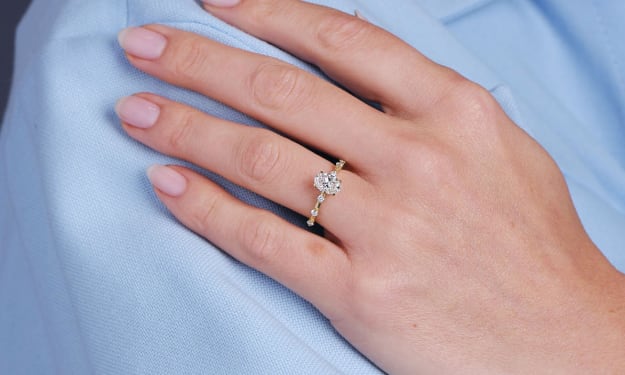
Choosing an engagement ring is a daunting yet exhilarating milestone. It is a piece of jewellery that must bridge the gap between who you are today and who you will be in fifty years. In the bustling jewellery quarters of Hatton Garden and Birmingham’s Jewellery Quarter, there is a distinct shift in the air. While the round brilliant has long been the "safe" bet, a more sophisticated contender has reclaimed the throne: the oval engagement ring.
By Mohd Kaish2 days ago in Styled
Saks Fifth Avenue to Shutter Canal Place Location: A Turning Point for Luxury Retail in New Orleans
Saks Fifth Avenue, one of America’s most recognized luxury department store chains, is set to close its Canal Place location in New Orleans, marking the end of an era for upscale retail in the city. The decision has sparked conversations among shoppers, retail analysts, and local business leaders about the future of luxury shopping in regional markets and the broader transformation of the retail industry.
By Ayesha Lashariabout 24 hours ago in Styled
Super Bowl LX Recap: A Team Called Hawks
Sixty. The Super Bowl turned 60! Still amazes me that this was the sixtieth Super Bowl played in NFL history. It seems like yesterday that I watched Super Bowl XXVII, the first SB I ever watched. The QB who won Super Bowl XXVII has since called a few SBs, and will call next year's game, but that's another story. Super Bowl LX took place at Levi's Stadium in Santa Clara, California, the home stadium of the San Francisco 49ers. However, it was one of their division foes who represented the NFC, as the Seattle Seahawks faced off against the New England Patriots.
By Clyde E. Dawkins3 days ago in Unbalanced



Comments
There are no comments for this story
Be the first to respond and start the conversation.