
PhotoGPT for Photoreal Beauty Service Branding and Client Before After Content
PhotoGPT for Photoreal Beauty Service

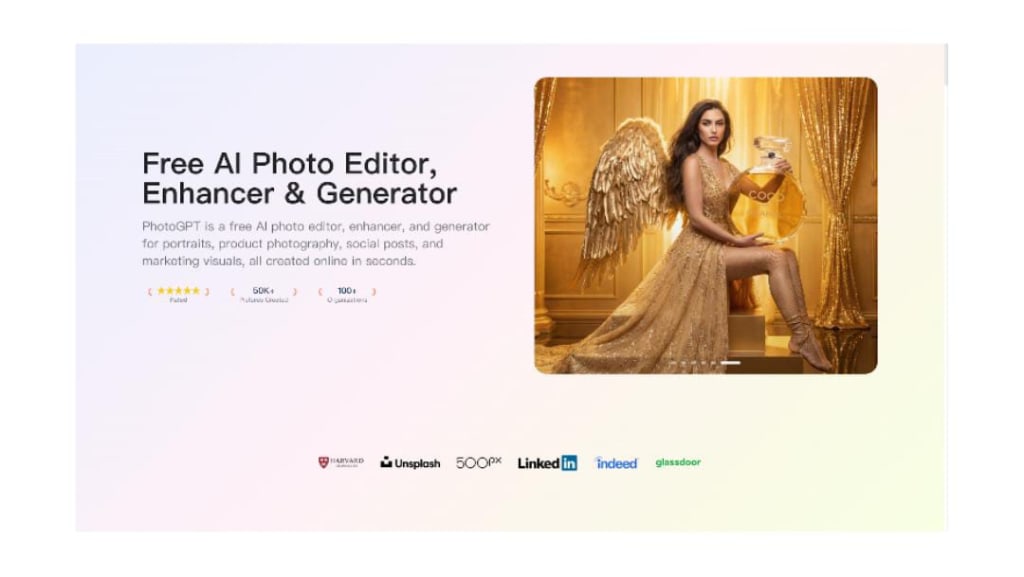
In beauty services, visuals are often the first point of trust. Before a consultation, a review, or a conversation, people form impressions through images. If photos feel overly edited or inconsistent, confidence drops quickly. If they feel natural, clean, and believable, they create reassurance.
Managing visuals for a beauty service business has made me especially aware of how sensitive this balance is. Skin texture, lighting, and framing all influence how results are perceived. The challenge is not making images look dramatic, but making them look honest while still polished.
Over time, I’ve found that working with photoreal image tools helps maintain that balance across branding, promotions, and client content.
What Beauty Visuals Need to Communicate
Beauty marketing is less forgiving than many other industries. Small visual changes can alter how results are interpreted. Heavy filters or exaggerated smoothing often create the opposite of what’s intended, making outcomes feel unrealistic.
For branding visuals to feel trustworthy, they usually need to meet a few consistent standards:
- Skin texture that looks natural rather than blurred
- Lighting that enhances features without flattening them
- Simple backgrounds that keep focus on the subject
- Framing that remains consistent across a series of images
- Clarity that holds up after social media compression
These elements help visuals feel cohesive and reliable rather than overly processed.
Using Generation to Maintain Visual Consistency
Generating images can be useful when consistency matters more than variety. For profile visuals, promotional materials, or brand-facing content, controlled generation allows the same lighting, framing, and mood to carry across different assets.
When working with generated portraits, I focus on prompts that describe:
- Close or mid-length portrait framing
- Soft, diffused studio lighting
- Neutral or minimal backgrounds
- Natural color tones and realistic textures
This approach creates images that fit cleanly into booking pages, social profiles, and promotional layouts without standing out as artificial.
Where Image Generation Fits Best in My Workflow
Generated visuals are most helpful in areas where consistency is essential:
- Staff or team profile imagery
- Promotional visuals for new or seasonal services
- Content covers that need a recognizable visual style
- Lifestyle-oriented branding images that still feel grounded
The goal isn’t replacement of real photography, but support — filling visual gaps without disrupting brand identity.
Editing for Clean, Credible Client Content
Editing plays a different role than generation in beauty marketing. Client photos need care, not transformation. Small adjustments can improve presentation while still respecting reality.
Useful edits often include:
- Removing background distractions
- Balancing lighting across different images
- Aligning visual tone between multiple clients
- Making subtle refinements that improve clarity
The intention is consistency, not alteration. Good editing should make an image feel clearer, not different.
Enhancing Images Without Overprocessing
Social platforms compress images heavily, which can cause loss of detail. Enhancement tools help maintain clarity without introducing harsh sharpening or artificial contrast.
I find enhancement especially useful for:
- Close-up portraits
- Small cropped images used in grids or stories
- Photos taken across different devices or lighting conditions
When applied carefully, enhancement helps visuals feel professional while still natural.
Visualizing Salon and Studio Spaces
Beauty branding isn’t limited to faces alone. The environment matters. Interior visuals communicate mood, comfort, and positioning just as strongly as personal imagery.
Room-focused visualization tools are helpful for:
- Concept visuals for salon interiors
- Mood references for studio updates or refreshe
- Background imagery for promotional layouts
- Communicating spatial identity without a full photo shoot
These visuals help support storytelling around the brand’s physical experience.
A Balanced Visual Approach
Photoreal image workflows work best when they support clarity rather than spectacle. In beauty branding, trust is built through restraint, consistency, and attention to detail. Visual tools that prioritize realism help maintain that trust across profiles, promotions, and client-facing content.
When used thoughtfully, image generation, editing, and enhancement become part of a balanced creative process — one that supports credibility while allowing flexibility. The same applies to space visualization, which helps communicate atmosphere without unnecessary complexity.
For beauty services, visuals aren’t just decoration. They are communication. And when that communication feels honest, it strengthens confidence before a single word is exchanged
About the Creator
Abbasi Publisher
I’m a dedicated writer crafting clear, original, and value-driven content on business, digital media, and real-world topics. I focus on research, authenticity, and impact through words
Keep reading
More stories from Abbasi Publisher and writers in Styled and other communities.
How Are Mylar Bags Printed? A Deep Dive
Though Mylar bags may appear plain while on store shelves, it is not so easy to print on them. The printing on Mylar is complex because of the variety of vibrant colors that can be used; also, many times metallic surfaces are printed with an airtight seal so you can be assured the bag will hold its contents securely for a long time to come. If you've ever wondered how these great-looking designs end up on glossy and/or matte finished packaging, you will be able to see how each of those steps has been accomplished in detail as you follow along with this article.
By Abbasi Publisher7 days ago in Styled
The Renaissance of the Oval Engagement Ring: A British Love Affair
Choosing an engagement ring is a daunting yet exhilarating milestone. It is a piece of jewellery that must bridge the gap between who you are today and who you will be in fifty years. In the bustling jewellery quarters of Hatton Garden and Birmingham’s Jewellery Quarter, there is a distinct shift in the air. While the round brilliant has long been the "safe" bet, a more sophisticated contender has reclaimed the throne: the oval engagement ring.
By Mohd Kaish2 days ago in Styled
Saks Fifth Avenue to Shutter Canal Place Location: A Turning Point for Luxury Retail in New Orleans
Saks Fifth Avenue, one of America’s most recognized luxury department store chains, is set to close its Canal Place location in New Orleans, marking the end of an era for upscale retail in the city. The decision has sparked conversations among shoppers, retail analysts, and local business leaders about the future of luxury shopping in regional markets and the broader transformation of the retail industry.
By Ayesha Lasharia day ago in Styled



Comments
There are no comments for this story
Be the first to respond and start the conversation.