
Revolutionizing Comfort: The Latest Innovations in Home Textile Technology
Revolutionizing Home Textiles: Smart, Sustainable, and High-Performance Innovations

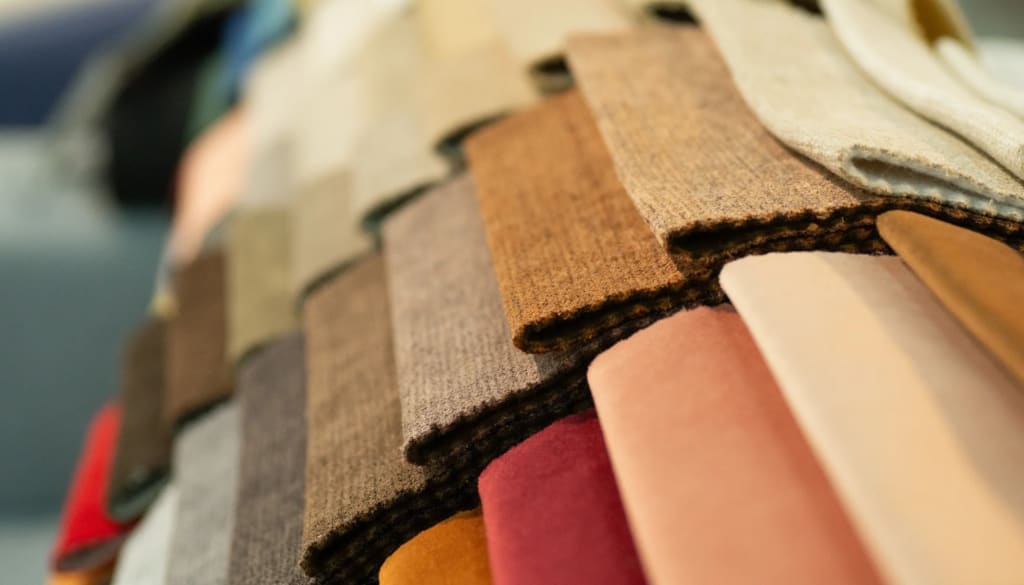
The home textile industry is undergoing a significant transformation, driven by technological advancements that enhance comfort, functionality, and sustainability. Innovations in fabric technology, smart textiles, and Eco-friendly materials are reshaping how we experience home furnishings, from bedding and upholstery to curtains and carpets. These advancements not only improve aesthetics but also cater to the growing demand for health-conscious, energy-efficient, and intelligent home environments.
1. Smart Textiles: The Future of Home Comfort
One of the most exciting developments in home textiles is the rise of smart fabrics. These textiles integrate advanced technologies such as sensors, temperature regulation, and moisture-wicking properties to enhance comfort and functionality. Examples include:
- Temperature-Regulating Bedding: Adaptive textiles that adjust to body temperature, keeping users cool in summer and warm in winter.
- Moisture-Wicking and Antimicrobial Fabrics: Ideal for bedding and towels, these fabrics help prevent bacterial growth and odors.
- Pressure-Sensitive Smart Cushions and Mattresses: These can adjust firmness based on user preferences, improving sleep quality and spinal alignment.
2. Sustainable and Eco-Friendly Home Textiles
Sustainability is a growing focus in home textile innovation. Consumers are increasingly seeking Eco-friendly alternatives that reduce environmental impact without compromising comfort or durability. Key trends include:
- Organic and Recycled Materials: Textiles made from organic cotton, bamboo, hemp, and recycled polyester are becoming more popular. These materials are biodegradable and reduce carbon footprints.
- Water-Saving and Chemical-Free Dyeing Processes: Innovations in textile dyeing, such as water-less dyeing and plant-based dyes, minimize pollution and waste.
- Biodegradable and Compos-table Home Textiles: Some companies are developing fully biodegradable curtains, carpets, and upholstery that decompose naturally without harming the environment.
3. Anti-Allergy and Wellness-Enhancing Textiles
Health-conscious consumers are driving demand for home textiles that promote well-being. Some key innovations in this category include:
- Hypoallergenic Bedding and Upholstery: Materials treated to resist dust mites, pollen, and mold help people with allergies breathe easier.
- Aromatherapy-Infused Fabrics: Some home textiles now incorporate micro-encapsulation technology, which releases essential oils like lavender or eucalyptus to promote relaxation.
- Antiviral and Antibacterial Textiles: With increased awareness of hygiene, fabrics with built-in antimicrobial properties are gaining popularity, particularly in bedding and towels.
4. Energy-Efficient and Insulating Home Textiles
Energy efficiency is becoming a major factor in home textile design, with fabrics that help regulate temperature and reduce energy consumption. Innovations include:
- Thermal Curtains and Blinds: These textiles provide insulation, reducing heat loss in winter and keeping interiors cool in summer, leading to lower energy bills.
- Phase-Change Materials (PCMs) in Bedding and Upholstery: Originally developed for NASA, these materials absorb, store, and release heat to maintain optimal comfort.
- Solar-Absorbing and Reflective Textiles: Some window treatments now integrate solar-reflective coatings to reduce heat gain and enhance energy savings.
5. Stain-Resistant and Easy-Care Fabrics
With busy lifestyles, consumers seek home textiles that are low-maintenance and long-lasting. Some ground-breaking innovations in this area include:
- Self-Cleaning Fabrics: Textiles infused with nanotechnology can repel dirt and stains, making cleaning easier and extending fabric lifespan.
- Hydrophobic and Oleophobic Coatings: These materials resist water and oil-based stains, making them ideal for upholstery, carpets, and curtains.
- Wrinkle-Resistant and Shape-Retaining Fabrics: Advances in fibber technology ensure that fabrics remain smooth and fresh-looking without frequent ironing.
6. Soundproof and Acoustic-Enhancing Textiles
Noise pollution is a growing concern in urban environments, leading to innovations in sound-absorbing home textiles. Examples include:
- Acoustic Curtains and Wall Panels: Made from dense, multi-layered fabrics, these textiles help reduce outside noise and improve indoor acoustics.
- Soundproof Carpets and Rugs: Specially designed fibbers and underlays absorb sound, making homes quieter and more peaceful.
- Echo-Reducing Upholstery: Sofas and chairs made with noise-dampening fabrics improve sound quality in living spaces.
7. Customization and Personalization in Home Textiles
Advancements in digital printing and AI-driven design are making customized home textiles more accessible. Consumers can now personalize their textiles with:
- Digitally Printed Fabrics: High-resolution digital printing allows for intricate designs on curtains, cushions, and bedding, offering unique and stylish options.
- AI-Driven Fabric Selection: Online platforms use AI to recommend fabrics based on user preferences, interior decor trends, and functional needs.
- DIY and On-Demand Textile Manufacturing: With 3D knitting and printing, consumers can create custom home textiles tailored to their space and style.
8. Smart Home Integration with Textiles
The rise of smart homes has led to the development of textiles that integrate seamlessly with technology. Examples include:
- IoT-Enabled Curtains and Blinds: Automated window treatments can be controlled via smartphone apps or voice assistants like Alexa and Google Home.
- Electroluminescent and Colour-Changing Fabrics: These textiles change colour or glow in response to touch or temperature changes, adding a futuristic touch to home decor.
- Sensor-Embedded Bedding: Smart beds can track sleep patterns, adjust firmness, and even wake users with gentle vibrations.
9. Fire-Resistant and Safety-Enhancing Textiles
Safety is a key concern in home textiles, leading to innovations that enhance fire resistance and overall household safety. These include:
- Flame-Retardant Fabrics: New chemical-free treatments improve fire resistance in curtains, carpets, and upholstery.
- UV-Blocking Curtains and Shades: These textiles protect interiors from harmful UV rays, preventing fading and reducing health risks.
- Anti-Slip and Impact-Resistant Flooring Textiles: Some advanced carpets now feature built-in safety features to prevent slips and cushion falls, making them ideal for homes with children and elderly residents.
10. The Future of Home Textile Technology
Looking ahead, the home textile industry is expected to continue evolving, incorporating cutting-edge technologies such as:
- AI-Designed Fabrics: Machine learning algorithms will optimize fabric composition for durability, aesthetics, and functionality.
- Geoengineering Textiles: Scientists are developing lab-grown materials that mimic silk, wool, and cotton without harming animals or the environment.
- Self-Healing Fabrics: Inspired by nature, these textiles can repair minor tears and holes, extending their lifespan.
- Smart Recycling Technologies: New methods will make it easier to recycle and upcycle old textiles into new, high-quality products.
Conclusion
The home textile industry is undergoing a remarkable transformation, blending technology, sustainability, and innovation to create products that enhance comfort, convenience, and efficiency. From smart fabrics and antimicrobial bedding to Eco-friendly dyes and IoT-integrated textiles, the future of home textiles is smarter, safer, and more sustainable.
As consumer preferences shift toward high-performance, sustainable, and intelligent home furnishings, brands and manufacturers must continue to innovate. These advancements not only elevate everyday living but also contribute to a healthier, more energy-efficient, and aesthetically pleasing home environment.
The revolution in home textiles is just beginning, and the possibilities are endless. By embracing these innovations, homeowners can enjoy a new level of comfort and functionality in their living spaces.
About the Creator
textilenews
publisher
Keep reading
More stories from textilenews and writers in Styled and other communities.
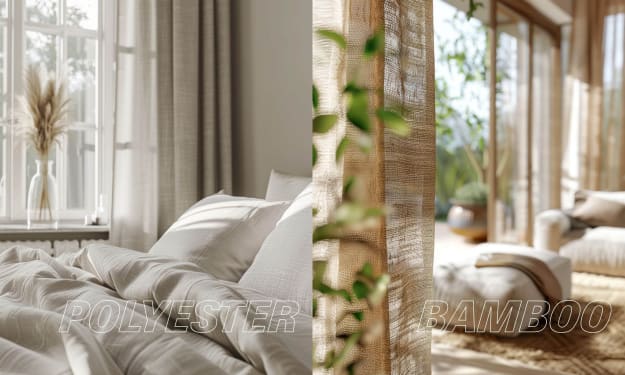
Home Textile Magazine: Latest Trends & Innovations in 2025
The home textile industry is evolving rapidly, driven by consumer demand for sustainability, innovation, and personalized design. As we step into 2025, new trends and technologies are shaping the way home textiles are designed, manufactured, and used. From eco-friendly materials to smart textiles, this year promises ground-breaking advancements that redefine comfort, style, and functionality in home décor.
By textilenews11 months ago in Styled
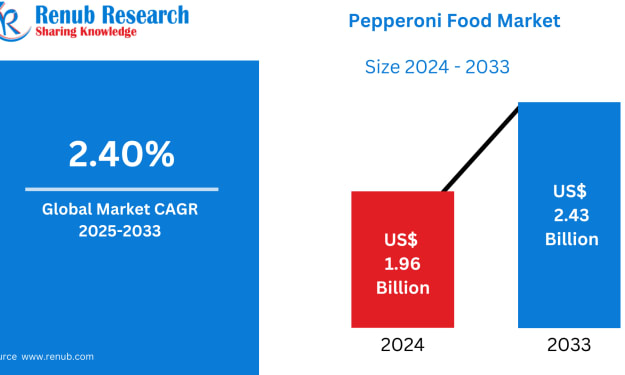
Diamond Market Size and Forecast 2025–2033
Introduction The global diamond industry stands at the intersection of tradition, innovation, and evolving consumer values. Long regarded as a symbol of wealth, love, and permanence, diamonds continue to occupy a central position in the luxury goods sector while simultaneously gaining prominence in advanced industrial applications. According to Renub Research, the Diamond Market is expected to reach US$ 54.67 billion by 2033, up from US$ 40.08 billion in 2024, growing at a CAGR of 3.51% during 2025–2033.
By jaiklin Fanandish5 days ago in Styled
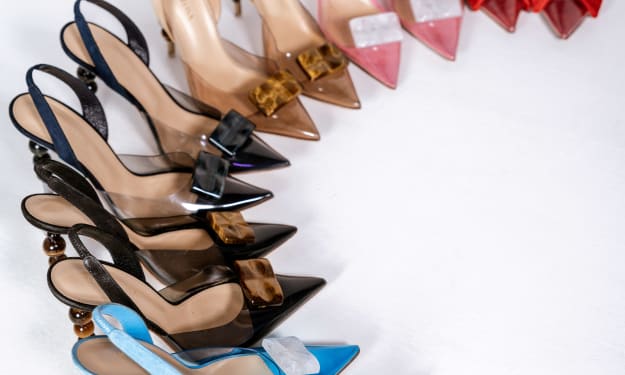
Top 10 Tigre Rosa Heels Loved by Fashion Influencers in 2026
Dubai’s fashion landscape in 2026 is all about statement design, craftsmanship, and meaningful luxury, and no brand captures this spirit quite like Tigre Rosa. Blending Italian artisanal footwear with symbolic aesthetics, Tigre Rosa heels have become a must-wear among fashion influencers, style icons, and trendsetters not just in the UAE — but across the global fashion scene.
By tigrerosaofficial4 days ago in Styled

Comments
There are no comments for this story
Be the first to respond and start the conversation.