
Home Textile Magazine: Latest Trends & Innovations in 2025
The Future of Home Textiles: Innovations, Sustainability, and Smart Design in 2025

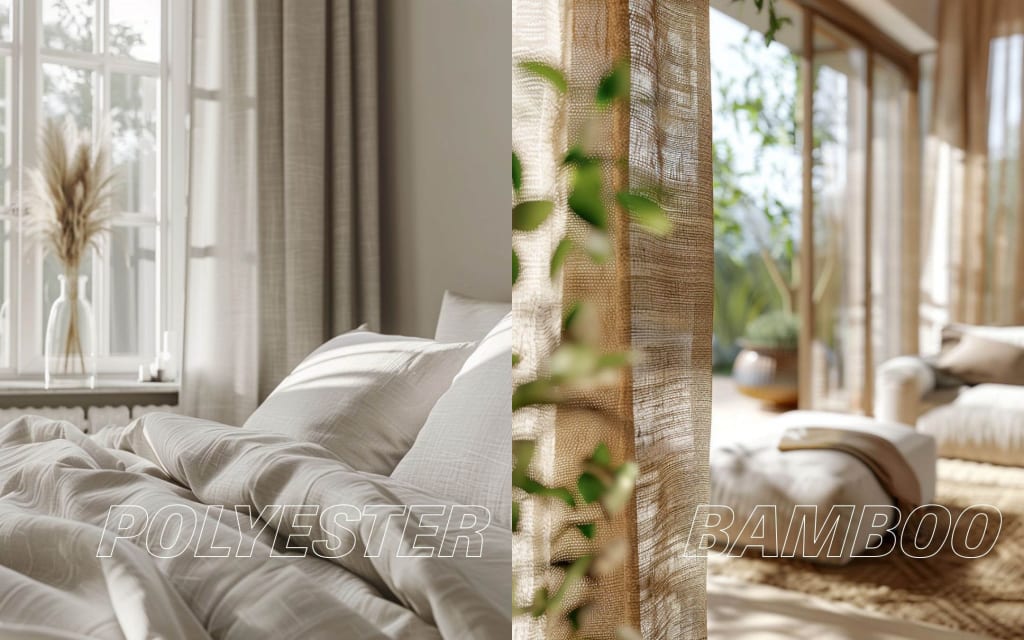
The home textile industry is evolving rapidly, driven by consumer demand for sustainability, innovation, and personalized design. As we step into 2025, new trends and technologies are shaping the way home textiles are designed, manufactured, and used. From eco-friendly materials to smart textiles, this year promises ground-breaking advancements that redefine comfort, style, and functionality in home décor.
In this article, we explore the latest trends and innovations in the home textile industry in 2025, covering materials, sustainability, design aesthetics, and technological advancements.
1. Sustainable and Eco-Friendly Materials
One of the most significant shifts in home textiles is the increasing emphasis on sustainability. Consumers are now prioritizing eco-conscious products, pushing brands to adopt greener alternatives.
- Organic and Recycled Fabrics – Cotton, linen, and bamboo textiles made from organic and recycled sources are gaining popularity. These materials reduce environmental impact and offer a luxurious, natural feel.
- Biodegradable Textiles – Brands are exploring fabrics made from biodegradable fibbers, such as hemp and Tencel, which decompose naturally without harming the environment.
- Zero-Waste Manufacturing – Many manufacturers are adopting zero-waste production techniques, repurposing fabric scraps, and reducing excess inventory to minimize waste.
2. Smart Textiles and Technology Integration
The fusion of technology with home textiles is revolutionizing the industry. Smart textiles now offer enhanced functionality beyond aesthetics.
- Temperature-Regulating Fabrics – Innovations in textile engineering have led to fabrics that adjust to body temperature, keeping users warm in winter and cool in summer.
- Antimicrobial and Self-Cleaning Textiles – With increasing health concerns, textiles treated with antibacterial, antiviral, and self-cleaning properties are in high demand, particularly in bedding and upholstery.
- Smart Curtains and Blinds – Automated and voice-controlled curtains that adjust based on sunlight and temperature are becoming a staple in modern homes.
- Wireless Charging Bed Linens – Some luxury bedding collections now incorporate wireless charging technology, allowing users to charge devices conveniently.
3. Bold and Nature-Inspired Design Trends
Home textile design trends in 2025 reflect a blend of bold aesthetics and nature-inspired themes, creating a balance between modern and organic elements.
- Earthy and Neutral Tones – Shades of terracotta, beige, olive green, and soft browns dominate, creating a warm and soothing home environment.
- Botanical and Floral Prints – Inspired by nature, floral and leafy patterns bring freshness and vibrancy to home spaces.
- Maximalist Patterns – While minimalism continues to thrive, maximalist patterns with rich textures, vibrant colours, and geometric designs are gaining traction among homeowners seeking statement pieces.
- Textured Fabrics – Bouclé, velvet, and handwoven textiles add depth and sophistication to furniture, cushions, and curtains.
4. Customization and Personalization
Personalized home textiles are one of the biggest trends in 2025, as consumers seek unique, made-to-order products that reflect their personality.
- Customized Embroidery and Monograms – Personalized bedding, towels, and cushions featuring initials or unique designs are in high demand.
- Made-to-Order Rugs and Curtains – Consumers can now design and order home textiles tailored to their specific colour, pattern, and size preferences.
- Digital Printing Advancements – Digital textile printing technology has improved, allowing brands to create intricate, high-quality designs with minimal environmental impact.
5. Sustainability in Textile Production
Sustainability is no longer a niche concept—it is a necessity. The textile industry is implementing innovative production methods to reduce its carbon footprint.
- Waterless Dyeing Techniques – New technologies allow for fabric dyeing with minimal or no water usage, significantly cutting down water waste.
- Carbon-Neutral Manufacturing – More companies are committing to carbon-neutral production processes, using renewable energy sources and eco-friendly transportation.
- Ethical Sourcing and Fair Trade Practices – Transparency in sourcing is a major focus, with brands ensuring that raw materials come from ethical and sustainable suppliers.
6. Multifunctional and Space-Saving Textiles
With urban living spaces becoming smaller, multifunctional textiles are gaining popularity.
- Convertible Furniture Fabrics – Upholstery fabrics designed for modular furniture pieces that transform into beds, desks, or storage solutions.
- Foldable and Compact Textiles – Space-saving home textiles such as foldable carpets, stackable cushions, and collapsible blackout blinds are becoming must-haves for city dwellers.
- Stain-Resistant and Water-Repellent Fabrics – Perfect for households with pets and children, these fabrics offer durability and easy maintenance without compromising on style.
7. Revival of Traditional Craftsmanship
Handcrafted textiles and heritage weaving techniques are making a strong comeback in 2025, as consumers value artisanal craftsmanship and cultural heritage.
- Handwoven Rugs and Carpets – Traditional weaving techniques from different cultures are being revived in modern designs.
- Block Printing and Hand-Dyed Textiles – Artisanal dyeing and printing methods such as Shibori and Ajrakh are gaining global appreciation.
- Macramé and Crochet Home Décor – Hand-knotted macramé wall hangings, table runners, and cushion covers add a touch of craftsmanship to modern interiors.
8. The Influence of AI and Big Data in Textile Design
Technology is not only enhancing textile functionality but also influencing design and production strategies.
- AI-Generated Designs – Artificial intelligence is being used to analyse design trends and generate unique textile patterns that resonate with consumer preferences.
- Predictive Analytics for Inventory Management – Big data helps brands anticipate demand, reduce overproduction, and create more efficient supply chains.
- Virtual Try-On and AR Integration – Augmented reality (AR) allows consumers to visualize how home textiles will look in their spaces before making a purchase.
9. Eco-Conscious Packaging for Home Textiles
Sustainability extends beyond textiles to how products are packaged and delivered.
- Biodegradable Packaging – Brands are eliminating plastic waste by using plant-based, compostable packaging materials.
- Reusable Fabric Bags – Some companies are packaging home textiles in reusable fabric bags instead of disposable plastic wraps.
- Minimalist Packaging Designs – Simplified packaging with eco-friendly inks and recycled materials is reducing environmental impact.
10. The Future of Home Textiles Beyond 2025
Looking ahead, the home textile industry will continue to innovate, blending sustainability with smart technology and personalization. Future advancements may include:
- AI-Enhanced Fabrics – Smart textiles that adapt to environmental conditions in real-time.
- 100% Circular Textiles – Fully recyclable and reusable home textiles that leave zero waste.
- Hyper-Personalized Home Décor – AI-driven home décor platforms that create textiles tailored to individual tastes and home aesthetics.
Conclusion
The home textile industry in 2025 is witnessing an exciting transformation, driven by sustainability, innovation, and customization. From eco-friendly fabrics and smart textiles to AI-powered design and handcrafted craftsmanship, the latest trends reflect a perfect blend of technology and tradition.
As consumer expectations evolve, brands that embrace these innovations will lead the way in shaping a future where home textiles are not just beautiful and functional but also ethical and environmentally responsible. The fusion of cutting-edge technology with timeless craftsmanship ensures that home textiles remain a dynamic and essential part of modern living.
About the Creator
textilenews
publisher
Keep reading
More stories from textilenews and writers in Styled and other communities.
Latest Insights & Trends in the Home Textile Industry: Must-Read Articles for 2025
The home textile industry is undergoing rapid transformation, driven by evolving consumer preferences, technological advancements, and sustainability demands. In 2025, key trends shaping the industry include smart textiles, Eco-friendly materials, digitization, and evolving market dynamics. As brands and manufacturers adapt to these changes, staying ahead of the curve is crucial. This article explores the latest insights and trends influencing the home textile sector in 2025.
By textilenews11 months ago in Styled
Latest Women’s Fashion News: Trends Shaping Modern Style
Women’s fashion is undergoing a powerful transformation, shaped by changing lifestyles, global cultural influences, and a growing demand for individuality and responsibility. In recent years, fashion has moved beyond seasonal trends and has become a reflection of personal values, comfort, and confidence. The latest women’s fashion news highlights a dynamic industry where creativity meets practicality, and tradition blends seamlessly with modern innovation. From runways to street style, women’s fashion is redefining how style is perceived and worn across the world.
By duran lorena7 days ago in Styled
FREE THE NIPPLE. BURN THE BRA. APOLOGISE TO OUR SPINES.
There are few things in modern life as quietly infuriating as the social expectation that women should strap themselves into uncomfortable, restrictive underwear every single day for the emotional comfort of strangers. Not safety. Not warmth. Not even practicality. Comfort. Specifically men’s comfort. Because somewhere along the way, we collectively decided that a woman’s nipple is a public threat, while a man’s nipple is background furniture.
By No One’s Daughter5 days ago in Styled
The Devil's Cut
“Comrade, finally you’re awake.” The voice was smooth, sensual. A flickering incandescent bar was all that lit the white, sterile room. All Vladimir remembered was everything going black. He tried to move his arms and found them strapped to the gurney.
By Matthew J. Fromm5 days ago in Fiction


Comments
There are no comments for this story
Be the first to respond and start the conversation.