
Knitting Industry Trends: What’s Hot in Yarn and Design This Year
Exploring 2025’s Hottest Yarn Innovations, Bold Aesthetics, Sustainable Practices, and Tech-Infused Designs Reshaping the Knitting World
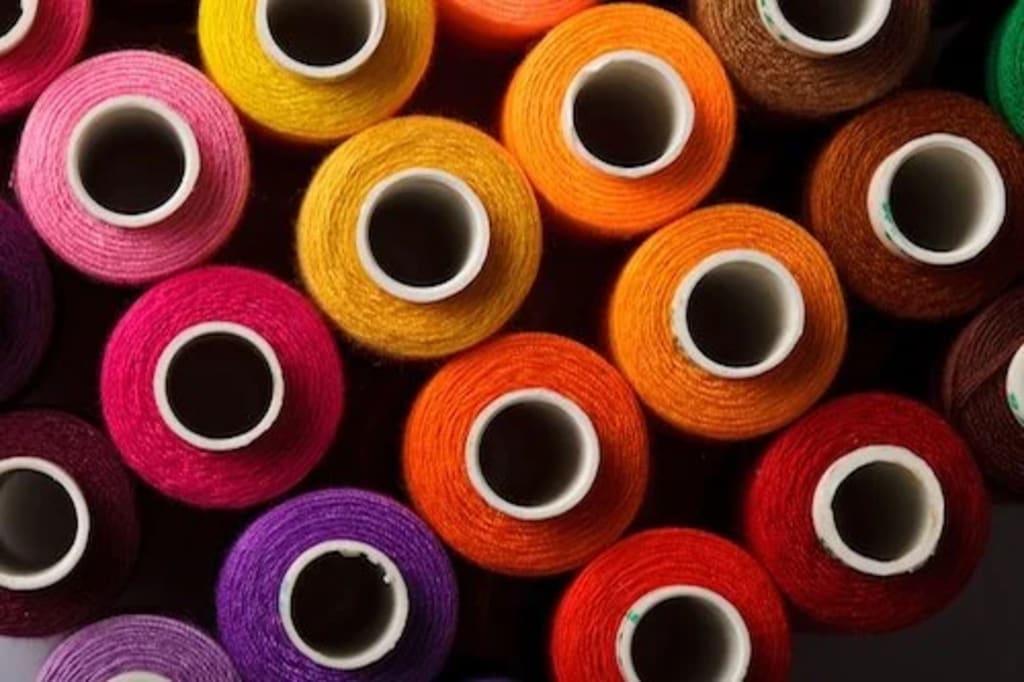
The knitting industry has witnessed a remarkable transformation over the past few years, blending traditional craftsmanship with modern innovation. Today, knitting is not just a functional activity but a form of artistic expression, a sustainable practice, and a tech-integrated craft. As consumer preferences shift and global trends evolve, the knitting world adapts with fresh ideas, new materials, and bold designs. This year, the industry is abuzz with exciting developments in yarn types, colour palettes, sustainability, design approaches, and technological integration. Here’s an in-depth look at what’s hot in yarn and design for the knitting world in 2025.
1. Eco-Friendly and Sustainable Yarns
- Recycled Fibber's: Sustainability is not just a buzzword—it’s the backbone of the modern knitting industry. This year, more brands and independent knitters are embracing yarns made from recycled fibber's such as plastic bottles, discarded garments, and textile waste. These yarns offer the same quality and softness as traditional materials while significantly reducing environmental impact.
- Organic and Natural Fibbers: Organic cotton, bamboo, and hemp are rising in popularity due to their low environmental footprint. These fibber's are grown without harmful chemicals and processed using eco-conscious methods, appealing to environmentally aware consumers.
- Plant-Based Alternatives: Vegan yarns made from banana, pineapple, corn, and soybean fibbers are making waves. These materials are not only sustainable but also biodegradable, providing a guilt-free alternative to synthetic or animal-based yarns.
2. Bold Colours and Unique Textures
- Colour Trends: This year’s trending colour palette includes earthy tones like terracotta, moss green, and ochre, combined with vibrant pops of colour such as cobalt blue, hot pink, and neon orange. Colour blocking and contrasting shades are making strong statements in both fashion and home decor projects.
- Hand-Dyed and Variegated Yarns: Artisanal hand-dyed yarns are more in demand than ever, appreciated for their uniqueness and depth. These yarns often include unexpected colour blends, gradients, and speckles that add dimension to knitted pieces.
- Textured Yarns: Bouclé, slub, chenille, and looped yarns are on trend, adding tactile appeal and richness to fabrics. Texture-driven designs provide a sensory experience and a break from uniform smoothness, making projects stand out visually and physically.
3. Tech-Driven Knitting Design
- Digital Patterns and Apps: The rise of knitting apps and digital platforms has made it easier for creators to access and share complex patterns. These apps often come with visual tutorials, pattern customization tools, and even augmented reality features for real-time guidance.
- Knitting Machines with AI: Advanced knitting machines equipped with artificial intelligence can now learn and replicate intricate patterns. These machines offer speed and precision while allowing designers to experiment freely without the fear of costly mistakes.
- Virtual Knitting Communities: Platforms like Ravelry, Instagram, and TikTok continue to fuel creativity and collaboration in the knitting community. Viral design trends, virtual knit-alongs, and digital pattern swaps have transformed how people engage with the craft.
4. Slow Fashion and DIY Culture
- Handmade Over Mass-Produced: As people move away from fast fashion, handmade garments are gaining prominence. Knitters are taking pride in creating custom, well-fitted, and high-quality pieces that last.
- DIY Customization: Beyond garments, knitters are embellishing projects with embroidery, beading, and crochet accents. Personalization is key—every project tells a story, and knitters want their creations to reflect their individuality.
- Timeless Wardrobe Staples: Designs focus on classic silhouettes with modern twists—think oversized cardigans, ribbed turtlenecks, and relaxed knit trousers. These pieces can be worn year-round and styled in various ways, enhancing their practicality and appeal.
5. Functional and Smart Knits
- Performance Yarns: High-tech yarns with moisture-wicking, temperature-regulating, and antimicrobial properties are popular, especially in athleisure and performance wear. These functional yarns are ideal for active lifestyles while maintaining softness and stretch.
- Smart Textiles: Wearable tech is slowly entering the knitting space. Knitters are experimenting with conductive threads and e-textiles to create garments that can monitor health metrics or interact with devices. While still niche, this trend is expected to grow as technology becomes more accessible.
- Medical and Therapeutic Knits: Compression garments, seamless bandages, and therapeutic wraps are now being produced using knitting technology, reflecting the growing intersection between textiles and healthcare.
6. Cultural Influence and Inclusivity in Design
- Heritage Patterns: Traditional patterns from different cultures—such as Fair Isle from Scotland, Aran from Ireland, and Japanese sashiko influences—are being reimagined in modern designs. This revival honors history while keeping the craft contemporary.
- Inclusive Sizing and Representation: Pattern designers are now prioritizing inclusive sizing and gender-neutral designs. There’s a clear movement toward ensuring that knitting caters to all body types and identities, breaking away from outdated norms.
- Collaborative Projects: Cross-cultural collaborations between designers, artists, and fibber makers are resulting in exciting, fusion-inspired designs that celebrate diversity in knitting.
7. Interior Design and Home Knits
- Home Accessories: Knitting has expanded beyond clothing into home decor. Chunky knit blankets, textured pillows, wall hangings, and even knitted furniture covers are trending this year.
- Sculptural and Abstract Forms: Artists are pushing boundaries with knitted sculptures and installations. These projects often challenge perceptions of knitting as merely domestic or decorative, proving it can be a serious art form.
- Seasonal and Festive Decor: From knitted pumpkins in the fall to intricate Christmas stockings, home knitters are celebrating the seasons with custom decorations, often inspired by social media trends.
8. Minimalism Meets Maximalist
- Minimalist Aesthetic: Clean lines, monochrome palettes, and understated patterns are perfect for those who value simplicity and timelessness in their knits. These pieces often rely on quality materials and impeccable construction.
- Maximalist Creativity: On the flip side, maximalist is thriving too. Think layered textures, bright clashing colours, oversized silhouettes, and playful motifs. This expressive style is all about breaking rules and having fun with the craft.
Conclusion
The knitting industry in 2025 is a vibrant fusion of tradition and innovation. With sustainability at its core and creativity as its compass, knitting has evolved into a multifaceted art form that goes beyond garments. From plant-based yarns and smart textiles to bold colour combinations and digital design tools, today’s trends reflect a deeper cultural shift towards mindfulness, personalization, and connection. Whether you're a hobbyist, a designer, or a textile technologist, this year's trends offer endless inspiration to explore the possibilities of yarn and design.
About the Creator
Keep reading
More stories from nick rodas and writers in Styled and other communities.
Why the Knitting Industry Is Experiencing a Global Revival: Exploring the Key Factors Behind Its Resurgence
The knitting industry, once regarded as a niche craft or an outdated method of textile production, is undergoing a dramatic global revival. From small artisanal workshops to massive textile factories, knitting has emerged as a dominant force in the global fashion and textile markets. This resurgence is not just a trend but a shift in the way garments and fabrics are produced, consumed, and appreciated. In this article, we will explore the key factors driving the knitting industry’s revival and its increasing relevance in today’s fast-paced and sustainability-conscious world.
By nick rodas9 months ago in Styled
Concealed Carry on the Move: Bags That Meet Legal and Practical Requirements
Key Takeaways Concealed carry bags are one of the many options for keeping a hidden weapon with you in a way that’s accessible. If you’re looking for concealed carry bags, explore options that follow safety guidelines, including a dedicated firearm compartment, internal holster, trigger guard protection, and a low-profile exterior. Bags that meet the practical requirements for concealed safety prioritize the functionality of carrying off-body, including safety, accessibility, and lockability.
By Tess DiNapolia day ago in Styled
Rachel Reviews: The Spiral Archive by Pieter Hendrik
It's difficult for me to know where to start with a review of this book as it was, for me, an entirely unique experience and one that I'll probably never have again. I don't want that to be interpreted as unenjoyable but it has left me scratching my head a little and ruminating on its content, its themes and its characters.
By Rachel Deeming4 days ago in BookClub


Comments
There are no comments for this story
Be the first to respond and start the conversation.