
How Smart Knitting Machines Are Transforming Production: The Future of Automated Textile Manufacturing
The Rise of Smart Knitting Machines: Revolutionizing Textile Production with AI and Automation

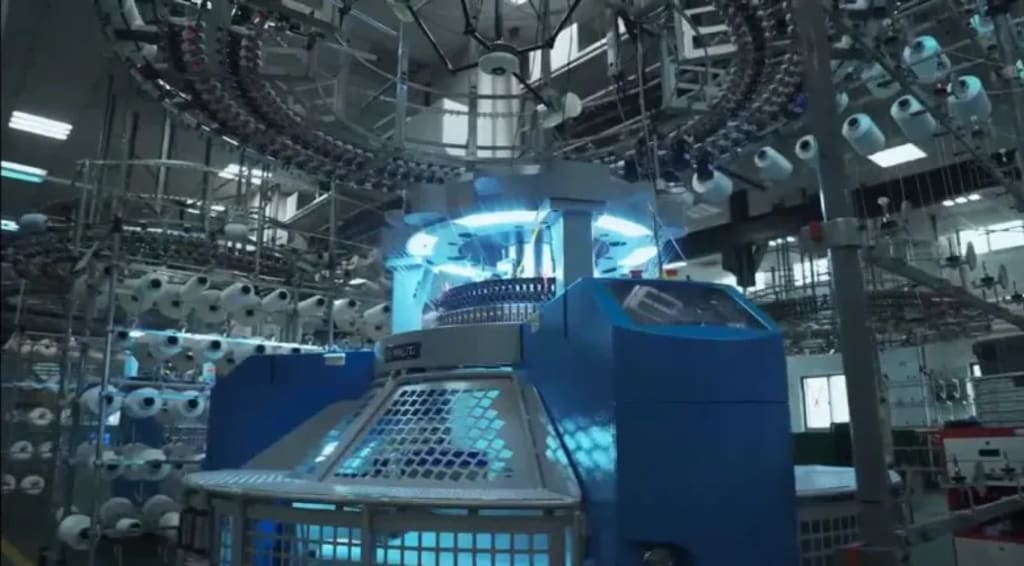
The textile and garment industry is undergoing a radical transformation, driven by advancements in automation and smart technology. Among the most ground-breaking innovations is the rise of smart knitting machines, which are revolutionizing production processes, enhancing efficiency, and reducing waste. These intelligent machines integrate artificial intelligence (AI), automation, and digital connectivity to create high-quality knitted fabrics with minimal human intervention. This shift is not only optimizing production speeds but also promoting sustainability, customization, and cost-efficiency in the industry.
1. The Evolution of Knitting Technology
Knitting has been an essential part of textile manufacturing for centuries, evolving from manual hand-knitting to mechanical knitting machines in the Industrial Revolution. Traditional knitting machines required extensive human operation, from setting patterns to adjusting tension and monitoring fabric quality. However, the introduction of smart knitting machines has drastically changed this landscape by integrating cutting-edge digital technology, enabling faster and more precise fabric production.
2. What Are Smart Knitting Machines?
Smart knitting machines are automated systems equipped with advanced software, sensors, and AI-driven controls that allow for precise and efficient fabric production. These machines can autonomously adjust parameters such as yarn tension, stitch density, and pattern complexity, significantly reducing the need for manual labour. Some of the key features of smart knitting machines include:
- AI-powered knitting algorithms that optimize stitch patterns.
- Digital control systems for real-time monitoring and adjustments.
- Seamless integration with computer-aided design (CAD) software, enabling intricate designs.
- Remote operation and predictive maintenance through IoT (Internet of Things) connectivity.
3. Increased Efficiency and Speed in Production
One of the most significant advantages of smart knitting machines is their ability to produce fabrics at a much faster rate than traditional machines. Automation allows for continuous operation with minimal downtime, reducing production lead times and increasing output capacity. By eliminating manual errors and optimizing machine settings in real-time, manufacturers can achieve higher efficiency and lower defect rates.
Additionally, smart knitting machines can operate with multiple yarn types and colours simultaneously, allowing for complex and multi-textured fabric production without manual intervention. This increases design possibilities and enhances the overall quality of knitted products.
4. Sustainability and Waste Reduction
Sustainability has become a crucial focus in the garment industry, and smart knitting machines contribute significantly to reducing waste. Unlike traditional manufacturing methods that generate fabric scraps due to cutting and sewing processes, advanced knitting technology allows for seamless garment production—where entire pieces are knitted into shape without excess material.
Moreover, smart knitting machines use precise yarn calculations to minimize waste, ensuring that only the required amount of raw material is used. The integration of AI-driven monitoring systems also helps reduce energy consumption by optimizing machine performance and detecting inefficiencies in real-time.
5. Customization and On-Demand Production
The demand for personalized and customized fashion is rising, and smart knitting machines are meeting this need by enabling on-demand production. With computerized pattern programming, manufacturers can quickly switch between designs without requiring extensive machine reconfiguration. This means brands can produce limited-edition, bespoke, or made-to-measure garments efficiently.
On-demand production helps reduce excess inventory and overproduction, which are significant contributors to waste in the fashion industry. Brands can manufacture products based on actual consumer demand, reducing unsold stock and promoting a more sustainable supply chain.
6. Integration with Industry 4.0 and IoT Connectivity
The rise of Industry 4.0—marked by smart automation and data-driven production—has further enhanced the capabilities of knitting machines. Many modern knitting machines are equipped with IoT (Internet of Things) connectivity, allowing real-time data collection, remote monitoring, and predictive maintenance.
Manufacturers can track machine performance, detect potential issues before they cause downtime, and make data-driven decisions to optimize production efficiency. Additionally, IoT connectivity enables remote operation, allowing technicians to adjust machine settings from anywhere, reducing the need for on-site intervention.
7. Impact on Labour and Workforce Transformation
While automation in textile manufacturing reduces the need for manual labour, it does not eliminate the workforce. Instead, it shifts the focus from repetitive tasks to more skilled roles. Workers are now required to operate, monitor, and maintain smart knitting machines, leading to the rise of new job opportunities in machine programming, AI monitoring, and textile engineering.
Training and reskilling programs are becoming essential for workers to adapt to this technological shift. Manufacturers investing in smart knitting technology must also invest in upskilling their workforce to ensure seamless integration and operation of these advanced machines.
8. Innovations in Smart Knitting Machines
Several leading manufacturers are pushing the boundaries of knitting technology. Some of the latest innovations include:
- 3D Knitting Technology: Producing seamless, fully-fashioned garments with minimal post-production processes.
- Automated Colour Changing Systems: Enabling multi-coloured fabric production without manual intervention.
- AI-Powered Fault Detection: Identifying defects in real time to ensure high-quality output.
- Eco-Friendly Yarn Processing: Allowing the use of recycled and biodegradable fibbers without compromising efficiency.
9. The Role of Smart Knitting in Fashion and Sportswear
The impact of smart knitting technology is particularly evident in fashion and sportswear industries. Leading brands such as Nike and Adidas are leveraging 3D knitting technology to produce seamless performance wear, enhancing comfort, durability, and flexibility. The ability to create compression zones, ventilation panels, and moisture-wicking properties within a single garment demonstrates the power of smart knitting in activewear innovation.
Additionally, luxury fashion brands are exploring digital knitting to create intricate patterns, unique textures, and eco-conscious designs without relying on traditional manufacturing methods.
10. Challenges and the Future of Smart Knitting Machines
Despite the numerous advantages, adopting smart knitting machines comes with challenges:
- High Initial Investment: The cost of acquiring and integrating smart knitting machines can be significant.
- Technical Expertise Requirement: Operating these advanced machines requires skilled professionals, leading to a demand for specialized training.
- Adaptation Resistance: Traditional manufacturers may be hesitant to shift from conventional knitting methods.
However, as technology continues to advance, costs are expected to decrease, making smart knitting machines more accessible. The future will likely see further improvements in AI capabilities, real-time adaptive knitting, and enhanced sustainability features.
Conclusion
Smart knitting machines are transforming the production landscape in the garment industry, offering unparalleled efficiency, customization, and sustainability. From seamless garments to real-time monitoring and waste reduction, these innovations are setting new standards for textile manufacturing.
As brands and manufacturers continue to embrace automation and AI-driven knitting technology, the industry will experience increased production capabilities, reduced environmental impact, and enhanced product quality. While challenges remain, the future of textile production is undeniably moving toward a smarter, more sustainable era, driven by the power of knitting automation.
The revolution in knitting is just beginning, and as technology continues to evolve, we can expect even greater advancements that will further redefine how clothing is designed, produced, and consumed.
About the Creator
textilenews
publisher
Keep reading
More stories from textilenews and writers in Styled and other communities.
How AI and Automation Are Transforming the Home Textile Industry: A New Era of Efficiency and Innovation
The home textile industry is undergoing a major transformation, driven by artificial intelligence (AI) and automation. From fabric production to design, quality control, and supply chain management, technology is revolutionizing every aspect of the industry. AI-powered analytics, robotic automation, and smart textiles are making manufacturing faster, more efficient, and environmentally sustainable. As companies embrace these innovations, they are improving product quality, reducing waste, and offering more personalized solutions to consumers.
By textilenews10 months ago in Styled
Dressing Without Rules: Plus Size Salwar Suits in 2026
For a long time, plus size fashion came with too many rules. Wear dark colours. Avoid volume. Stick to “flattering” cuts. Hide this, downplay that. But in 2026, that mindset is finally fading. Women are choosing comfort, confidence, and personal style over outdated fashion advice and plus size salwar are right at the centre of this change.
By Amit Mandal7 days ago in Styled


Comments
There are no comments for this story
Be the first to respond and start the conversation.