
Immersive Innovations: Exploring the Role of Virtual Reality in Textile Design Processes
Weaving the Future: How Virtual Reality is Transforming Textile Design Through Immersive Innovation and Sustainable Solutions
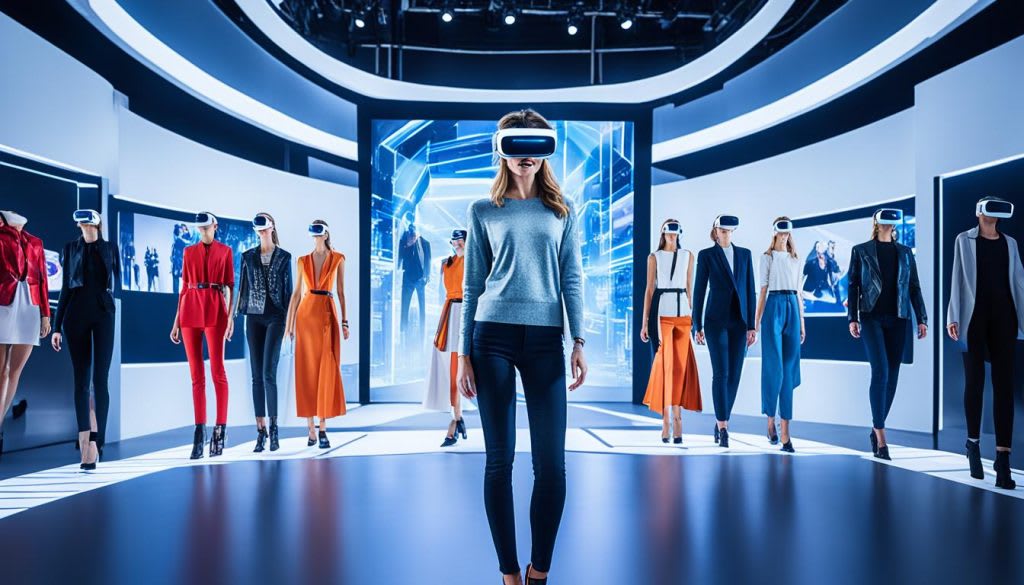
The textile industry, known for its deep-rooted traditions and craftsmanship, is undergoing a transformative evolution. Among the key drivers of this transformation is Virtual Reality (VR)—a digital technology redefining the boundaries of creativity, communication, and production within textile design. The fusion of VR with textile design has opened a realm of possibilities, offering designers, manufacturers, and consumers an immersive and interactive experience that was previously unimaginable. This document explores the multifaceted role of Virtual Reality in textile design processes, breaking down its implications, applications, benefits, and future potential.
1. Introduction to Virtual Reality in Textile Design
• Definition of Virtual Reality (VR):
VR refers to a simulated digital environment that can be similar to or completely different from the real world. Users typically engage with VR through wearable hardware like headsets, gloves, or haptic suits.
• Relevance to the Textile Industry:
While VR has seen extensive applications in gaming, medicine, and education, its role in textile design is relatively new but rapidly gaining traction. The immersive nature of VR allows for enhanced visualization, testing, and innovation in fabric creation and apparel design.
2. Bridging Creativity and Technology
• Enhanced Visualization:
VR enables designers to see fabric textures, patterns, and drapes in 3D, offering a more realistic view compared to traditional 2D CAD tools.
• Virtual Prototyping:
Designers can create, alter, and test garments in virtual environments, reducing the need for physical samples and speeding up the development cycle.
• Real-Time Design Feedback:
Through VR, collaborators from different locations can interact in a shared virtual space, offering feedback, making changes, and enhancing team collaboration.
3. Virtual Sampling and Fabric Simulation
• Digital Textures and Material Simulation:
VR platforms now support high-fidelity simulations of various textile properties—like elasticity, transparency, weight, and stretch—helping designers choose suitable materials before production.
• Reducing Waste:
By visualizing how a fabric performs virtually, companies can avoid producing unnecessary samples, thus minimizing material wastage and contributing to sustainability.
• Interactive Sampling:
Customers and stakeholders can interact with virtual fabric swatches, adjusting lighting and movement to view textiles in dynamic conditions.
4. VR in Fashion Shows and Product Presentations
• Virtual Runways:
VR allows for fashion shows in digital spaces, where models wear 3D-rendered garments in fully immersive virtual settings.
• Customer Engagement:
Retailers can let customers “try on” clothes via VR mirrors or devices, personalizing the shopping experience and increasing satisfaction.
• Brand Storytelling:
Through immersive storytelling, brands can showcase the inspiration behind a textile or garment line, creating a deeper emotional connection with the audience.
5. Collaboration Across Borders
• Remote Design Teams:
With VR, design teams scattered across different locations can work together in the same virtual studio, viewing, editing, and discussing designs as if they were in the same room.
• Integration with Augmented Reality (AR):
Combining VR with AR further boosts interactivity, enabling designers to manipulate 3D garments on physical mannequins or overlay digital patterns onto real fabrics.
6. Streamlining the Supply Chain
• Efficient Communication:
VR helps bridge communication gaps between designers, manufacturers, and suppliers by visualizing design intent in a universally understandable 3D space.
• Speed to Market:
The ability to test and finalize designs quickly in a virtual space accelerates product development, cutting down lead times and enabling faster delivery to market.
• Cost Reduction:
By eliminating multiple rounds of physical prototyping and reducing errors, VR significantly lowers operational costs.
7. Educational and Training Applications
• Skill Development for Designers:
Educational institutions and textile design programs are integrating VR to train students in modern design techniques, material science, and pattern creation.
• Factory Training:
VR is used to simulate factory environments for safety training, machine handling, and workflow understanding without real-world risks.
• Interactive Learning:
Students can explore textile history, techniques, and future trends within immersive VR environments, making learning more engaging.
8. Sustainability and Ethical Design
• Eco-Conscious Prototyping:
VR helps reduce textile waste and energy use by allowing designers to prototype and visualize digitally.
• Consumer Awareness:
VR can educate consumers on the environmental impact of textile choices, fostering more responsible purchasing behaviour.
• Transparent Supply Chains:
VR experiences can offer insights into how textiles are made—from raw material to finished product—encouraging ethical sourcing.
9. Challenges and Considerations
• High Initial Investment:
Implementing VR technologies requires significant upfront costs in terms of hardware, software, and training.
• Learning Curve:
Designers and teams must adapt to new workflows and tools, which may initially slow productivity.
• Limited Tactile Feedback:
One of VR's current limitations is its inability to fully replicate the tactile experience of touching fabrics—though haptic technologies are evolving.
• Data and IP Security:
Working in virtual environments raises concerns about intellectual property protection, especially when collaborating across organizations.
10. Future Outlook
• Integration with AI and Machine Learning:
The future of VR in textile design will likely involve AI-powered recommendations for fabric combinations, style trends, and market forecasting.
• Improved Haptics:
Advancements in haptic feedback will enable users to feel textures and materials in the virtual world, bringing us closer to a complete sensory experience.
• Wider Adoption Across the Industry:
As hardware becomes more affordable and user-friendly, VR is expected to become a standard tool in textile and fashion design studios.
• Custom and On-Demand Fashion:
Consumers may soon participate directly in the design process using VR, customizing garments that are then produced on-demand, revolutionizing personalization.
Conclusion
Virtual Reality is no longer a futuristic concept for the textile industry—it is a present-day innovation shaping the way fabrics are visualized, designed, and presented. From design studios to fashion runways, and from educational institutions to retail experiences, VR is bringing unmatched creativity, efficiency, and sustainability to the forefront. As the technology matures and becomes more accessible, its role in the textile design process will only deepen, heralding a new era of digital craftsmanship and immersive storytelling in fashion and textiles.
About the Creator
Keep reading
More stories from Hometextile and writers in Styled and other communities.
AI-Powered Design Tools Transforming Home Textile Creativity
The home textile industry is undergoing a significant transformation with the integration of artificial intelligence (AI). AI-powered design tools are revolutionizing the way designers conceptualize, develop, and produce textile patterns, fabrics, and styles. These tools offer enhanced creativity, efficiency, and personalization, allowing designers to push the boundaries of traditional textile design. This article explores how AI-powered design tools are reshaping home textile creativity and their impact on the industry.
By Hometextile10 months ago in Styled
What to Wear to Engagement Ceremonies: Silk Salwar Suit Ideas
Engagement ceremonies are special, but they’re also slightly tricky to dress for. You want to look festive and polished, but not as heavy as you would for the wedding day itself. In 2026, many women are finding the perfect balance with silk salwar suits outfits that feel rich, graceful, and comfortable without going over the top.
By Amit Mandal6 days ago in Styled




Comments
There are no comments for this story
Be the first to respond and start the conversation.