
The Expansion of Organic Cotton in the Home Textile Industry: A Sustainable Revolution
The Rise of Organic Cotton: Transforming the Home Textile Industry for a Sustainable Future

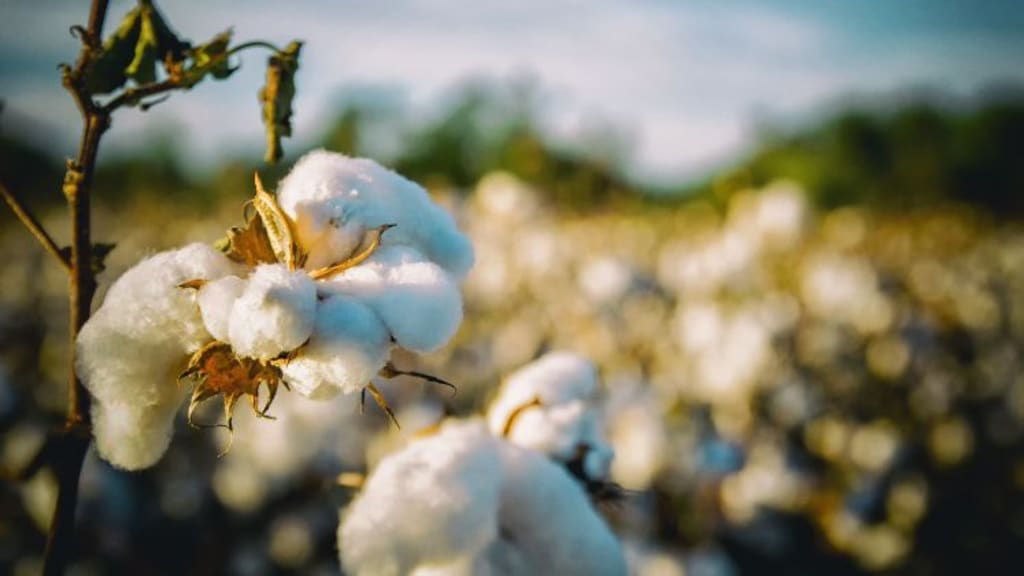
The home textile industry is undergoing a significant transformation as sustainability takes centre stage. One of the most notable shifts is the growing adoption of organic cotton, a natural fibber that offers environmental and health benefits compared to conventional cotton. As consumers become more conscious of their choices, the demand for organic cotton products in bedding, towels, curtains, and upholstery is rising. This shift is not only driven by consumer awareness but also by regulatory changes and industry innovation.
1. Understanding Organic Cotton: What Sets It Apart?
Organic cotton is grown without synthetic pesticides, genetically modified organisms (GMOs), or chemical fertilizers, making it an environmentally friendly alternative to conventional cotton. The farming process emphasizes soil health, biodiversity, and water conservation, leading to a more sustainable supply chain. The benefits of organic cotton extend beyond farming—it ensures softer, chemical-free, and hypoallergenic textiles, making it a preferred choice for home furnishings.
2. The Rising Demand for Organic Cotton in Home Textiles
The demand for organic cotton home textiles has surged due to growing consumer awareness of environmental and health issues. More people now seek eco-friendly options for their homes, opting for:
- Organic cotton bedding: Sheets, pillowcases, and comforters made from organic cotton provide a natural, breathable, and chemical-free sleeping environment.
- Organic bath towels: Absorbent and gentle on the skin, these towels are free from toxic dyes and harmful residues.
- Organic upholstery and curtains: Interior designers and homeowners are incorporating sustainable fabrics into furniture and decor.
Consumers are increasingly scrutinizing labels and certifications to ensure authenticity, making certified organic textiles a key differentiator in the market.
3. The Environmental Impact of Organic Cotton vs. Conventional Cotton
Organic cotton farming significantly reduces the environmental footprint of textile production:
- Water conservation: Organic cotton farming uses up to 91% less water than conventional cotton farming, as it relies on rain-fed irrigation rather than excessive groundwater extraction.
- Reduced carbon emissions: Without synthetic fertilizers and pesticides, organic cotton emits 46% less carbon dioxide, helping combat climate change.
- No harmful chemicals: Conventional cotton farming is responsible for 16% of the world’s pesticide use, whereas organic cotton eliminates toxic residues that harm ecosystems and human health.
4. Certifications and Standards for Organic Cotton Textiles
With the increasing popularity of organic cotton, certifications play a crucial role in ensuring authenticity and transparency. Some of the most recognized standards include:
- GOTS (Global Organic Textile Standard): Ensures organic fibber content, ethical labour practices, and eco-friendly processing.
- OEKO-TEX Standard 100: Tests for harmful substances in textiles, even if they are not organic.
- Fair Trade Certified: Guarantees ethical labour conditions and fair wages for farmers and workers.
These certifications help consumers identify genuine organic cotton products, boosting trust and credibility in the market.
5. Challenges in Scaling Organic Cotton Production
Despite its advantages, the expansion of organic cotton in the home textile industry faces several challenges:
- Higher production costs: Organic cotton farming requires more labour-intensive practices, leading to higher prices for both producers and consumers.
- Limited supply chain infrastructure: Compared to conventional cotton, organic cotton processing and certification are less developed, making scalability a hurdle.
- Market competition: Conventional cotton products are often cheaper, making it difficult for organic alternatives to compete in price-sensitive markets.
- Consumer education: While awareness is growing, some consumers still need to understand the benefits of organic cotton beyond just environmental impact.
Overcoming these barriers will require investment in sustainable farming, better supply chain integration, and stronger marketing efforts.
6. Innovations Driving the Growth of Organic Cotton in Home Textiles
Technological and agricultural innovations are helping overcome these challenges and accelerate the growth of organic cotton in home textiles:
- Regenerative agriculture: Enhancing soil health and crop resilience through crop rotation, cover cropping, and composting techniques.
- Eco-friendly dyeing techniques: Natural and plant-based dyes are replacing synthetic chemicals in the textile finishing process.
- Water-efficient production methods: Advances in fabric treatment reduce water consumption while maintaining the softness and durability of organic cotton textiles.
- Blockchain traceability: Brands are using blockchain technology to track organic cotton from farm to finished product, ensuring transparency in the supply chain.
As technology advances, these innovations will help make organic cotton more affordable, accessible, and sustainable.
7. Consumer Trends and Brand Adoption of Organic Cotton
Leading home textile brands and retailers are embracing organic cotton due to shifting consumer preferences:
- Luxury and eco-conscious brands: High-end and boutique home textile brands are positioning organic cotton as a premium, sustainable alternative.
- Mainstream retail adoption: Large retailers, including IKEA, West Elm, and Target, have expanded their organic home textile collections, making sustainable options more widely available.
- Direct-to-consumer (DTC) brands: Online brands specializing in organic cotton bedding and bath products (such as Boll & Branch and Coyuchi) have gained popularity by emphasizing ethical sourcing and transparency.
The shift towards organic cotton home textiles is not just a trend—it reflects a long-term change in consumer values and purchasing behaviours.
8. The Role of Government Regulations and Industry Policies
Government policies and international regulations are accelerating the transition to organic cotton in textiles:
- Bans on hazardous chemicals: Many countries are tightening restrictions on synthetic pesticides and dyes in textiles.
- Sustainability incentives: Some governments offer subsidies and tax benefits to encourage organic farming and sustainable textile production.
- Corporate sustainability commitments: Global initiatives like the Fashion Pact and the United Nations Sustainable Development Goals (SDGs) are pushing companies to reduce their environmental impact.
As regulatory frameworks become more stringent, companies are increasingly adopting organic cotton to stay compliant and meet sustainability goals.
9. The Future of Organic Cotton in Home Textiles
Looking ahead, the expansion of organic cotton in the home textile industry will continue to evolve:
- More affordable pricing: As production scales, costs are expected to decrease, making organic cotton accessible to a broader consumer base.
- Increased transparency: Digital tools and third-party certifications will enhance consumer trust in organic textile claims.
- Circular economy models: Brands will explore recycling and upcycling initiatives to extend the lifecycle of organic cotton products.
- Greater industry collaboration: Sustainable textile coalitions and partnerships will help drive innovation and expand organic cotton farming globally.
Conclusion
The expansion of organic cotton in the home textile industry is a game-changing movement that aligns with environmental sustainability, consumer health, and ethical production. While challenges remain, advancements in technology, farming practices, and market demand are making organic cotton more mainstream.
As consumers continue prioritizing eco-friendly choices, the future of home textiles will likely be defined by organic, sustainable materials. This shift is not just about making greener choices—it’s about building a responsible and conscious textile industry that benefits both people and the planet.
By embracing organic cotton, brands and consumers alike contribute to a healthier, more sustainable future for home textiles.
About the Creator
textilenews
publisher
Keep reading
More stories from textilenews and writers in Styled and other communities.
The Role of 3D Printing in the Future of the Clothing Industry
The fashion industry is evolving rapidly, with technology playing a crucial role in reshaping its future. Among these technological advancements, 3D printing has emerged as a game-changer in clothing manufacturing, offering innovative solutions to traditional production challenges. From reducing waste and enabling custom designs to revolutionizing supply chains and sustainability efforts, 3D printing is transforming how garments are conceptualized, produced, and consumed.
By textilenews10 months ago in Styled
Latest Women’s Fashion News: Trends Shaping Modern Style
Women’s fashion is undergoing a powerful transformation, shaped by changing lifestyles, global cultural influences, and a growing demand for individuality and responsibility. In recent years, fashion has moved beyond seasonal trends and has become a reflection of personal values, comfort, and confidence. The latest women’s fashion news highlights a dynamic industry where creativity meets practicality, and tradition blends seamlessly with modern innovation. From runways to street style, women’s fashion is redefining how style is perceived and worn across the world.
By duran lorena8 days ago in Styled
Cocktail Dresses That Are Chic, Comfortable, and Stylish
Cocktail attire has evolved to meet the needs of modern women who want to look polished without sacrificing comfort. Today’s chic cocktail dresses are thoughtfully designed to balance style, ease, and versatility—making them perfect for weddings, evening parties, receptions, and special celebrations.
By Style Sparksabout 15 hours ago in Styled



Comments
There are no comments for this story
Be the first to respond and start the conversation.