
AI-Powered Design Tools Transforming Home Textile Creativity
AI-Powered Design Tools: Revolutionizing Creativity, Efficiency, and Personalization in Home Textiles
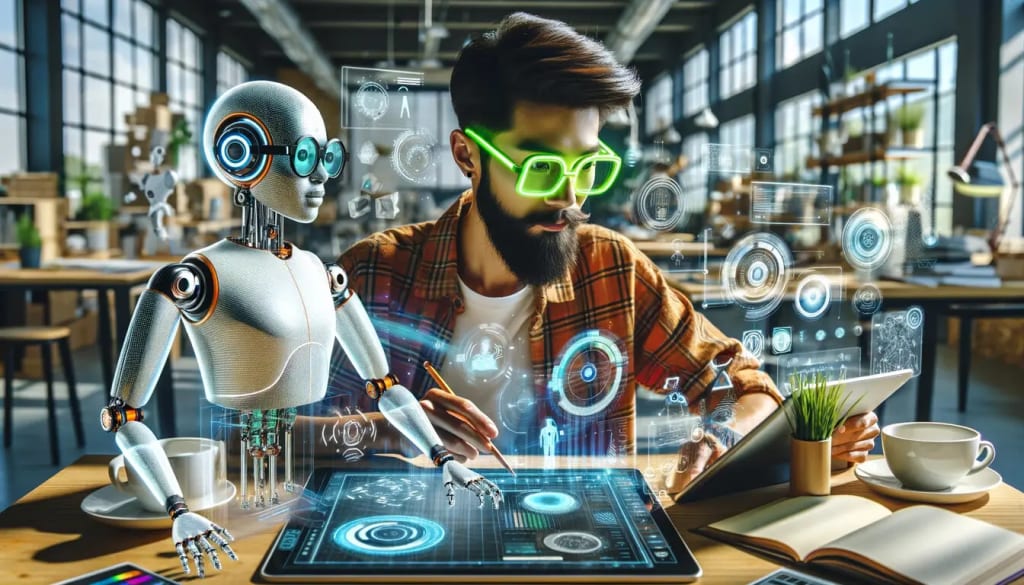
The home textile industry is undergoing a significant transformation with the integration of artificial intelligence (AI). AI-powered design tools are revolutionizing the way designers conceptualize, develop, and produce textile patterns, fabrics, and styles. These tools offer enhanced creativity, efficiency, and personalization, allowing designers to push the boundaries of traditional textile design. This article explores how AI-powered design tools are reshaping home textile creativity and their impact on the industry.
The Evolution of Home Textile Design
Traditionally, home textile design relied on manual processes, hand-drawn patterns, and physical prototyping. Designers needed extensive experience and artistic skills to create unique and appealing designs. The digital revolution introduced computer-aided design (CAD) software, making it easier to create and modify textile patterns. However, AI takes this evolution further by automating and optimizing the creative process, offering data-driven insights, and enabling mass customization.
How AI is Transforming Home Textile Creativity
- Automated Pattern Generation AI-powered tools can generate intricate and innovative patterns based on predefined design parameters. By analysing thousands of existing textile designs, AI can create entirely new patterns that align with current trends while introducing unique elements.
- Enhanced Personalization Consumers are increasingly looking for personalized home textiles that reflect their unique tastes and preferences. AI tools use customer data and preferences to generate customized designs, ensuring that textiles resonate with individual styles.
- Trend Analysis and Prediction AI-driven design tools analyse market trends, customer preferences, and social media insights to predict emerging styles and colour schemes. This allows designers to stay ahead of trends and create designs that align with consumer demands.
- Efficient Prototyping and Production AI tools streamline the prototyping process by generating realistic digital fabric simulations. This reduces the need for physical samples, saving time and resources. AI also optimizes production workflows, reducing waste and enhancing sustainability.
- Colour and Texture Enhancement AI can analyse and modify colour palettes, textures, and fabric compositions to achieve the desired aesthetic. Machine learning algorithms refine patterns and textures based on historical design data, ensuring a harmonious blend of colours and materials.
- AI-Assisted Collaboration AI-powered platforms enable seamless collaboration between designers, manufacturers, and clients. These platforms facilitate real-time modifications, feedback integration, and version control, improving efficiency and communication in the design process.
- Smart Fabric and Material Selection AI algorithms assist designers in selecting the best materials for specific home textile applications. By considering factors such as durability, comfort, and sustainability, AI ensures that textiles meet both aesthetic and functional requirements.
Benefits of AI-Powered Design Tools
- Increased Creativity: AI expands design possibilities by generating innovative patterns and textures that may not have been conceived manually.
- Time and Cost Efficiency: Automating repetitive design tasks reduces time investment and operational costs, enabling faster market entry.
- Sustainability: AI-driven designs optimize material usage, reducing fabric waste and minimizing environmental impact.
- Customization at Scale: AI enables mass customization, allowing brands to offer unique designs tailored to individual customers.
- Data-Driven Decision Making: AI provides valuable insights into consumer preferences, enabling more informed design and production choices.
Challenges and Considerations
Despite its advantages, AI-powered design in the home textile industry presents certain challenges:
- Creativity vs. Automation: While AI enhances creativity, some designers fear that over-reliance on automation may stifle human artistic expression.
- Data Privacy Concerns: AI relies on consumer data for personalization, raising concerns about data security and ethical usage.
- Integration Complexity: Implementing AI design tools requires training and adaptation, which may be challenging for traditional textile designers.
- Quality Control: Ensuring that AI-generated designs meet high-quality standards requires human oversight and refinement.
Future of AI in Home Textile Design
As AI technology continues to evolve, its role in home textile creativity will expand further. The future may bring more advanced generative design models, AI-driven sustainability solutions, and deeper integration with augmented reality (AR) and virtual reality (VR) for immersive textile experiences. AI will continue to enhance creativity while preserving the artistic essence of home textile design.
Conclusion
AI-powered design tools are transforming the home textile industry by introducing new levels of creativity, efficiency, and personalization. While challenges exist, the benefits of AI in textile design far outweigh the limitations, making it an invaluable asset for designers and manufacturers. As AI continues to evolve, the home textile industry will experience even greater innovation, pushing the boundaries of what’s possible in textile creativity and design.
About the Creator
Keep reading
More stories from Hometextile and writers in Styled and other communities.
Innovative Recycling Techniques Transforming Polyester Use in Home Textiles
Polyester is one of the most widely used synthetic fibber's in the textile industry, especially in home textiles like curtains, upholstery, carpets, and bed linens. However, its environmental impact due to non-biodegradability and reliance on fossil fuels has raised significant concerns. Fortunately, innovative recycling techniques are revolutionizing the way polyester is reused in home textiles, making them more sustainable and reducing waste.
By Hometextile10 months ago in Styled
Lordhair vs Lavivid: A Wearer's Take
I didn't plan on comparing brands. I just wanted to share my own experience and thoughts. The Situation By the time I started wearing a hair system, I’d already spent too much energy reading forums, watching videos, and second‑guessing myself. Every option sounded perfect until it wasn’t.
By Ryan Collins5 days ago in Styled
What to Wear to Engagement Ceremonies: Silk Salwar Suit Ideas
Engagement ceremonies are special, but they’re also slightly tricky to dress for. You want to look festive and polished, but not as heavy as you would for the wedding day itself. In 2026, many women are finding the perfect balance with silk salwar suits outfits that feel rich, graceful, and comfortable without going over the top.
By Amit Mandal6 days ago in Styled



Comments
There are no comments for this story
Be the first to respond and start the conversation.