
How AI and Automation Are Transforming the Home Textile Industry: A New Era of Efficiency and Innovation
Revolutionizing Home Textiles: How AI and Automation Are Shaping the Future of the Industry

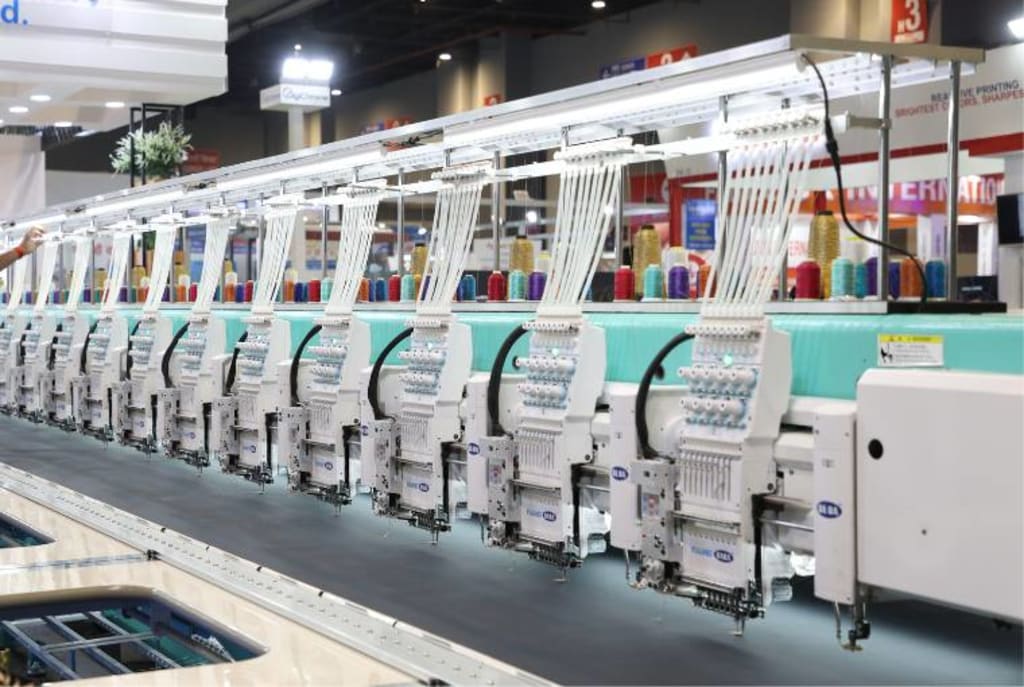
The home textile industry is undergoing a major transformation, driven by artificial intelligence (AI) and automation. From fabric production to design, quality control, and supply chain management, technology is revolutionizing every aspect of the industry. AI-powered analytics, robotic automation, and smart textiles are making manufacturing faster, more efficient, and environmentally sustainable. As companies embrace these innovations, they are improving product quality, reducing waste, and offering more personalized solutions to consumers.
1. The Role of AI in Home Textile Design and Customization
AI is enabling textile companies to create unique, customized designs based on consumer preferences. Advanced algorithms analyse market trends, customer feedback, and historical data to predict the most popular patterns, colours, and materials. AI-driven design software can generate complex patterns that would take human designers hours to create, allowing companies to respond quickly to changing trends.
Additionally, AI is enhancing customization in home textiles. Consumers can now personalize curtains, bed linens, and upholstery fabrics based on their colour and design preferences. AI-powered platforms allow users to visualize how different textiles will look in their homes before making a purchase, improving the overall shopping experience.
2. Smart Automation in Textile Manufacturing
Automation is streamlining home textile production by increasing efficiency and reducing human errors. Smart machines equipped with AI and robotics are handling tasks such as fabric weaving, cutting, and sewing with precision. Some of the key advancements include:
- Automated Weaving Machines: These machines can produce intricate textile patterns with high accuracy and speed, reducing production time.
- Robotic Cutting Systems: AI-driven cutters ensure that fabric is used efficiently, minimizing waste and improving precision in textile manufacturing.
- Automated Sewing Machines: These machines stitch textiles with high accuracy, reducing defects and ensuring consistent quality.
By integrating automation, manufacturers are significantly increasing their production capacity while maintaining high-quality standards.
3. AI in Quality Control and Defect Detection
Traditional quality control in the home textile industry involves manual inspection, which can be time-consuming and prone to errors. AI-powered vision systems are transforming this process by detecting defects such as irregular patterns, fabric inconsistencies, and stitching errors in real time.
- Machine Vision Technology: AI-powered cameras analyse fabrics for defects at high speed, ensuring that only high-quality textiles reach the market.
- Predictive Maintenance: AI monitors machinery performance, predicting failures before they occur. This reduces downtime, enhances efficiency, and lowers maintenance costs.
With AI-driven quality control, manufacturers can maintain consistent product quality while reducing waste and operational costs.
4. Smart Textiles and IoT Integration
The rise of smart textiles is one of the most exciting developments in the home textile industry. By integrating IoT (Internet of Things) technology, fabrics can now offer enhanced functionality, such as:
- Temperature-Regulating Fabrics: Smart textiles can adjust temperature based on weather conditions, enhancing comfort in bedding and upholstery.
- Moisture-Wicking and Anti-Bacterial Properties: AI-designed fabrics can resist bacteria and absorb moisture, improving hygiene in home textiles.
- Self-Cleaning Textiles: Some advanced textiles use nanotechnology to repel dust and dirt, reducing the need for frequent washing.
These innovations are redefining home textiles by offering smarter, more durable, and functional fabric solutions.
5. AI in Supply Chain and Inventory Management
AI and automation are revolutionizing the supply chain in the home textile industry by optimizing logistics, forecasting demand, and reducing excess inventory. AI-driven analytics help businesses track market demand and adjust production accordingly, minimizing overproduction and waste.
- Demand Forecasting: AI analyses customer trends and historical sales data to predict future demand, helping manufacturers plan production efficiently.
- Automated Inventory Management: Smart inventory systems track stock levels in real time, preventing shortages and reducing excess inventory.
- AI-Powered Logistics: AI enhances route optimization, ensuring faster and more cost-effective transportation of textiles from manufacturers to retailers.
By implementing AI in supply chain management, businesses can reduce costs, improve efficiency, and enhance customer satisfaction.
6. The Role of AI in Sustainability and Waste Reduction
Sustainability is a major focus in the home textile industry, and AI is playing a crucial role in reducing environmental impact. Traditional textile production generates significant waste, but AI-driven solutions are helping brands become more eco-friendly.
- AI-Optimized Fabric Cutting: Automated cutting systems minimize fabric waste by maximizing material utilization.
- Water and Energy Efficiency: AI monitors water and energy consumption, reducing waste and optimizing resource use in textile production.
- Recycled and Upcycled Textiles: AI helps in sorting and processing recycled fabrics, allowing manufacturers to create new textiles from old materials.
By integrating AI and automation, the home textile industry is becoming more sustainable and environmentally responsible.
7. AI-Driven E-Commerce and Personalized Shopping Experiences
AI is also transforming how home textiles are marketed and sold. E-commerce platforms use AI to analyse customer behaviour and provide personalized recommendations. Key advancements include:
- AI-Powered Product Recommendations: Machine learning algorithms suggest home textiles based on customers' browsing and purchasing history.
- Virtual Reality (VR) and Augmented Reality (AR): AI-driven AR applications allow customers to visualize how different textiles will look in their homes before purchasing.
- Chatbots and AI Customer Support: AI-powered chatbots assist customers with inquiries, enhancing the shopping experience.
These innovations are making home textile shopping more interactive and user-friendly, increasing customer satisfaction and sales.
8. The Future of AI and Automation in Home Textiles
The future of the home textile industry will be shaped by continuous advancements in AI and automation. Some emerging trends include:
- AI-Generated Textile Designs: AI will create highly intricate and unique fabric patterns that are impossible to replicate manually.
- Fully Automated Factories: Smart factories with minimal human intervention will become more common, improving efficiency and reducing labour costs.
- Sustainable AI-Driven Production: AI will continue to improve sustainability by optimizing material usage and reducing waste in production.
As AI and automation evolve, the home textile industry will become more efficient, sustainable, and innovative.
Conclusion
AI and automation are revolutionizing the home textile industry, driving efficiency, innovation, and sustainability. From smart manufacturing and AI-powered design to supply chain optimization and sustainable production, technology is reshaping every aspect of the sector.
By embracing AI, businesses can improve product quality, reduce costs, and enhance customer experiences. As the industry continues to evolve, AI and automation will play an even greater role in shaping the future of home textiles, making them smarter, more functional, and more environmentally friendly.
The transformation of the home textile industry is just beginning, and those who invest in AI-driven solutions will lead the way in this new era of innovation.
About the Creator
textilenews
publisher
Keep reading
More stories from textilenews and writers in Styled and other communities.
Why On-Demand Production Is the Future of the Apparel Industry: The Shift Towards a More Sustainable and Efficient Model
The apparel industry has long operated on a mass-production model, where garments are manufactured in bulk based on predicted demand. However, this approach often leads to overproduction, excess inventory, and significant waste. As technology advances and consumer preferences shift, on-demand production is emerging as the future of the apparel industry. This model offers brands greater flexibility, sustainability, and efficiency while reducing costs and minimizing environmental impact.
By textilenews10 months ago in Styled
FREE THE NIPPLE. BURN THE BRA. APOLOGISE TO OUR SPINES.
There are few things in modern life as quietly infuriating as the social expectation that women should strap themselves into uncomfortable, restrictive underwear every single day for the emotional comfort of strangers. Not safety. Not warmth. Not even practicality. Comfort. Specifically men’s comfort. Because somewhere along the way, we collectively decided that a woman’s nipple is a public threat, while a man’s nipple is background furniture.
By No One’s Daughter5 days ago in Styled
Toi Et Moi Ring Guide - Meaning, Celebrities & Diamond Styles
Toi et Moi Ring: The Most Romantic Engagement Ring of Our Time Love stories aren’t one-dimensional. Every relationship is built on two unique people, two paths, and one shared future. That’s exactly why the Toi et Moi ring has captured hearts across the world.
By KRK JEWELS6 days ago in Styled
My New Book is Finally Here
My poetry collection Beautiful and Brutal Things is done. It's actually done and finally published over 270 pages. Over a year of my life went into this book. More than a year, really. Long days at my computer, sometimes seven days a week because I couldn't stop even when I probably should have. Then two months of editing that felt harder than the writing itself. But it's finished, and I'm still standing, and the book is real.
By Tim Carmichael2 days ago in BookClub



Comments
There are no comments for this story
Be the first to respond and start the conversation.