
How Knitting Industry Magazines Are Covering Sustainable Fashion: A Deep Dive into Trends, Innovations, and Ethical Practices
Knitting Industry Magazines: Driving Sustainability in Fashion

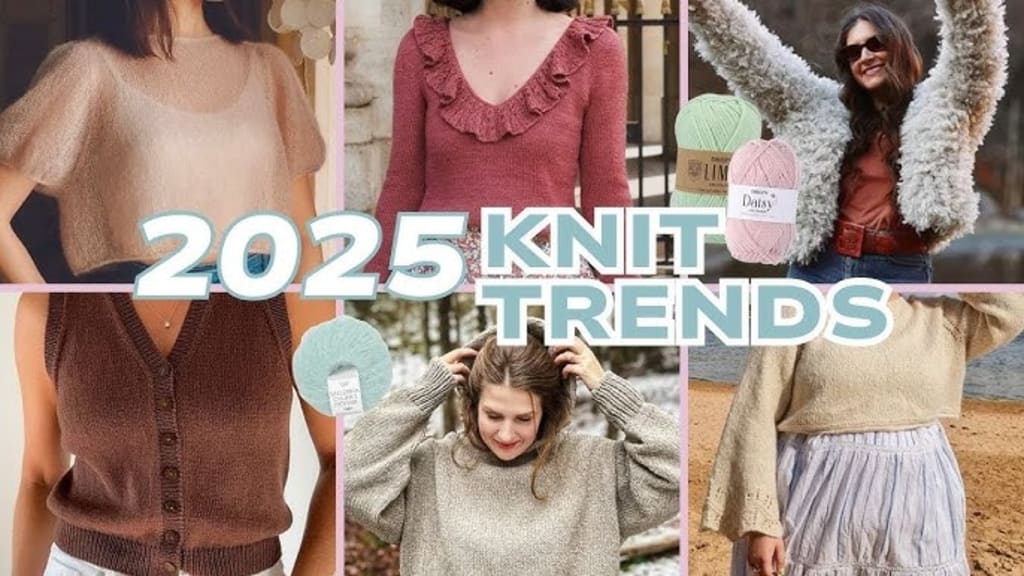
The knitting industry is experiencing a profound shift toward sustainability, and industry magazines are playing a crucial role in documenting and promoting this transformation. As the demand for ethical fashion and eco-friendly materials grows, knitting publications are adapting their content to highlight sustainable practices, responsible sourcing, and technological advancements in the sector.
From spotlighting emerging designers focused on sustainability to exploring biodegradable yarns and circular fashion principles, these magazines are influencing the industry’s future. This article examines how knitting industry magazines are covering sustainable fashion, their impact on consumer and business choices, and the broader implications for the textile world.
1. The Growing Focus on Sustainability in Knitting Publications
In response to increasing environmental concerns and consumer demand for ethical fashion, knitting magazines have significantly expanded their coverage of sustainability-related topics. Instead of focusing solely on traditional patterns and techniques, modern publications now feature:
- Sustainable Yarn Innovations – Articles on organic cotton, recycled fibbers, plant-based and biodegradable yarns, and cruelty-free alternatives like vegan wool.
- Eco-Conscious Production Methods – Insights into low-impact dyeing techniques, water-saving processes, and carbon footprint reduction in knitting mills.
- Ethical Brand Spotlights – Interviews and features on designers, brands, and artisans dedicated to sustainable knitting practices.
These shifts in editorial focus demonstrate a clear industry-wide commitment to fostering eco-friendly solutions and encouraging responsible production.
2. Highlighting Sustainable Yarns and Materials
One of the most common themes in knitting industry magazines is the promotion of sustainable yarns. Publications such as Knitting Industry and Vogue Knitting regularly feature in-depth articles on:
- Organic and Regenerative Wool – How farms are adopting ethical treatment of animals while restoring ecosystems through regenerative grazing.
- Recycled and Upcycled Fibbers – Innovations in turning textile waste, plastic bottles, and discarded garments into high-quality knitting yarns.
- Alternative Fibbers – The rise of bamboo, hemp, and Tencel yarns as eco-friendly substitutes for conventional cotton and synthetic fibbers.
By educating readers on sustainable material options, these magazines help knitters and industry professionals make informed choices that align with eco-conscious values.
3. Covering Circular Fashion in the Knitting Industry
Circular fashion is a growing movement in which garments and textiles are designed with longevity, recyclability, and minimal waste in mind. Many knitting magazines have taken an active role in promoting circular knitting practices by:
- Featuring Zero-Waste Knitting Techniques – Showcasing methods that reduce offcuts and encourage seamless garment construction.
- Encouraging Upcycling and Mending – Publishing tutorials on how to repurpose old knitted items or repair damaged knitwear instead of discarding them.
- Promoting Slow Fashion Mindsets – Advocating for mindful knitting, where crafters focus on quality, durability, and timeless designs rather than fast fashion trends.
By emphasizing these approaches, knitting industry magazines help both hobbyists and businesses contribute to a more sustainable fashion ecosystem.
4. Ethical Production and Social Responsibility in Knitting
Sustainability isn’t just about materials—it’s also about people. Knitting publications frequently explore how ethical labour practices and fair trade initiatives shape the industry. Some key topics include:
- Fair Trade Yarn Producers – Spotlights on cooperatives and small-scale artisans who ensure fair wages and humane working conditions.
- Empowering Local Communities – Features on knitting programs that support marginalized groups, such as women in rural areas or refugees learning a new skill.
- Transparency in Supply Chains – Investigations into how companies are making their production processes more transparent and accountable.
By shedding light on these issues, knitting industry magazines inspire readers to support brands that prioritize ethical production and labour rights.
5. The Role of Technology in Sustainable Knitting
Knitting technology is advancing rapidly, and many publications are dedicating space to covering these innovations. Some of the major tech-driven sustainability topics include:
- 3D Knitting and On-Demand Production – How computerized knitting machines are reducing waste by producing seamless garments with precision.
- AI and Digital Design Tools – The role of artificial intelligence in minimizing errors, optimizing material use, and improving the efficiency of knitting operations.
- Blockchain and Traceability – The rise of blockchain technology in ensuring transparency in sustainable yarn sourcing and fair trade verification.
By featuring these advancements, magazines help industry professionals stay ahead of trends that improve sustainability across the supply chain.
6. Sustainable Knitting Brands and Designers Making Headlines
Knitting industry magazines frequently highlight brands and designers that are making a significant impact on sustainability. Some of the recurring features include:
- Innovative Eco-Knitwear Brands – Showcasing companies that exclusively use sustainable materials and ethical production methods.
- Interviews with Sustainable Designers – Providing insight into how leading designers approach eco-conscious fashion and knitting techniques.
- Emerging Trends in Sustainable Knitwear – Exploring new movements, such as regenerative wool farming and plant-dyed yarns.
By sharing these success stories, knitting publications inspire more brands and individuals to adopt sustainability as a core principle.
7. Consumer Awareness and Reader Engagement
Knitting magazines not only inform professionals but also educate consumers on sustainable choices. They engage their readers through:
- Sustainability Challenges – Encouraging knitters to participate in eco-friendly projects, such as zero-waste knitting or using only recycled yarns.
- Reader Spotlights – Featuring individuals who have incorporated sustainability into their knitting practices.
- Eco-Friendly Product Reviews – Testing and reviewing sustainable yarns, tools, and knitting kits to guide consumer decisions.
This level of engagement helps build a more conscious knitting community that prioritizes sustainability in their purchasing and crafting habits.
8. The Future of Sustainable Fashion Coverage in Knitting Magazines
As sustainability continues to shape the knitting industry, magazines are expected to deepen their focus on:
- Greater Collaboration with Sustainability Organizations – Partnering with environmental groups to promote sustainable textile initiatives.
- More Data-Driven Reporting – Incorporating research and statistics on the environmental impact of knitting and fibber production.
- Expanding Digital and Interactive Content – Using videos, webinars, and social media to spread awareness about sustainable knitting trends.
The future of knitting industry magazines will likely be more dynamic, tech-driven, and heavily focused on sustainability as readers demand greater accountability from brands and manufacturers.
Conclusion
Knitting industry magazines have become powerful voices in the sustainable fashion movement. By covering eco-friendly materials, circular fashion, ethical labour practices, and technological advancements, these publications are influencing both industry professionals and consumers.
Through in-depth reporting, interviews, and practical guidance, they are driving awareness and action toward a greener, more ethical knitting industry. As sustainability remains a top priority, the role of these magazines will continue to grow, ensuring that sustainable fashion stays at the forefront of knitting and textile innovation.
About the Creator
textilenews
publisher
Keep reading
More stories from textilenews and writers in Styled and other communities.
The Future of Luxury Knitwear in the Knitting Industry: Trends, Innovations, and Market Evolution
The knitting industry is undergoing a transformation, with luxury knitwear emerging as a key player in the global fashion landscape. Once associated with traditional craftsmanship, knitwear has evolved into a sophisticated sector driven by innovation, sustainability, and changing consumer preferences. The future of luxury knitwear is set to be shaped by technological advancements, eco-friendly materials, and a renewed appreciation for quality and artisanal craftsmanship. In this article, we explore the factors influencing the future of luxury knitwear and how the industry is adapting to meet modern demands.
By textilenews10 months ago in Styled
How to Style Plus-Size Formal Dresses for Special Occasions
Dressing for a formal occasion should feel exciting and empowering, regardless of size. The right outfit not only enhances your appearance but also boosts confidence and comfort throughout the event. Today’s plus-size formal dresses are designed with flattering cuts, supportive fabrics, and elegant details that make styling easier than ever.
By Style Sparksabout 22 hours ago in Styled



Comments
There are no comments for this story
Be the first to respond and start the conversation.