
How Digital Weaving Is Changing the Home Textile Industry: Innovations, Benefits, and Future Trends
Digital Weaving: Transforming Home Textiles with Precision, Sustainability, and Innovation

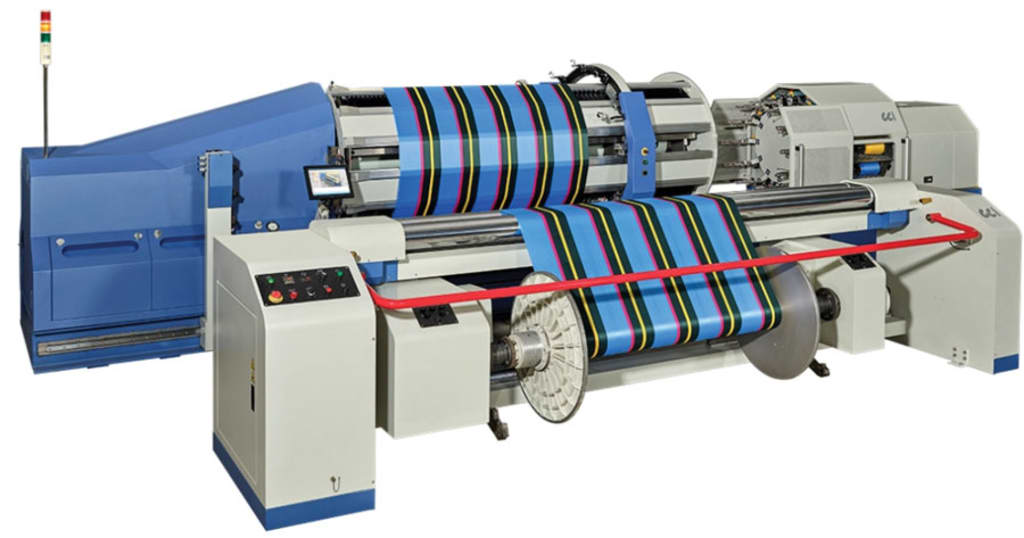
The home textile industry is undergoing a major transformation with the adoption of digital weaving technology. Traditionally, textile weaving relied on mechanical looms and manual processes, but with advancements in digital technology, weaving has become more precise, efficient, and sustainable. From customized designs to reduced waste, digital weaving is revolutionizing how home textiles—such as curtains, upholstery, rugs, and bedding—are designed and produced. This article explores the impact of digital weaving on the home textile industry, its benefits, and the future trends shaping this evolving sector.
1. Understanding Digital Weaving Technology
Digital weaving refers to the use of computer-controlled jacquard and dobby looms that allow intricate and complex patterns to be woven with high precision. Unlike traditional weaving, which requires manual adjustments and per-designed templates, digital weaving offers flexibility in design, colour variations, and material usage. The integration of digital software enables textile manufacturers to create customized patterns, replicate intricate details, and optimize fabric production with minimal human intervention.
Some of the key components of digital weaving technology include:
- Computer-Aided Design (CAD): Enables designers to create digital patterns and simulations before weaving.
- Electronic Jacquard Looms: Automates complex pattern creation, reducing labour and increasing efficiency.
- Dobby Looms with Digital Control: Allows multiple pattern variations without changing physical mechanisms.
- AI and Machine Learning Integration: Helps optimize weaving processes, detect defects, and improve quality.
These technological advancements make digital weaving a game-changer for the home textile industry.
2. Precision and Customization in Textile Design
One of the biggest advantages of digital weaving is the ability to create highly detailed and customizable designs. Unlike traditional methods, which limit pattern changes due to mechanical constraints, digital weaving allows for on-demand modifications.
Key benefits of digital weaving for design customization:
- Personalized Home Textiles: Customers can request custom colours, patterns, and textures for upholstery, curtains, and bedding.
- High-Resolution Patterns: Intricate designs, fine details, and photo-realistic imagery can be woven into fabrics.
- Quick Prototyping: Designers can experiment with different styles and colour palettes without committing to large production runs.
This level of precision and customization is reshaping how consumers interact with home textiles, offering unique products tailored to individual preferences.
3. Sustainability and Waste Reduction
Sustainability is a growing concern in the textile industry, and digital weaving plays a crucial role in reducing environmental impact. Traditional textile production often results in significant material waste due to excessive fabric cutting, dyeing, and production errors.
How digital weaving supports sustainability:
- Zero-Waste Production: Digital looms optimize fabric usage, minimizing material wastage.
- Reduced Water Consumption: Unlike conventional dyeing techniques, digital weaving incorporates colour directly into the fabric structure, reducing the need for excessive water-based dyeing.
- Lower Energy Consumption: Automated looms and AI-driven processes improve energy efficiency.
- Recycled and Eco-Friendly Fibbers: Many digital weaving techniques are compatible with recycled fibber's, supporting circular economy initiatives.
By embracing digital weaving, textile manufacturers can create Eco-friendly home textiles while meeting consumer demand for sustainable products.
4. Improved Efficiency and Faster Production
Efficiency is a critical factor in the home textile industry, and digital weaving significantly accelerates the production process. Traditional weaving methods involve manual adjustments, time-consuming setup, and labour-intensive pattern changes. Digital looms eliminate many of these inefficiencies, offering a faster and more streamlined approach to textile manufacturing.
Advantages of digital weaving for efficiency:
- Rapid Pattern Changes: Designs can be updated digitally without modifying loom hardware.
- Mass Customization: Enables batch production of varied designs with minimal downtime.
- Reduced Labour Dependency: Automated looms require fewer operators, lowering labour costs.
- Real-Time Monitoring: Sensors and AI detect weaving errors in real-time, reducing defects and rework.
As a result, textile manufacturers can produce high-quality home textiles at a faster rate while maintaining consistency and reducing production costs.
5. Digital Weaving’s Impact on Traditional Craftsmanship
While digital weaving introduces automation and efficiency, it also preserves and enhances traditional craftsmanship. Many artisans and textile designers are integrating digital techniques with traditional weaving methods to create contemporary designs that honour cultural heritage.
How digital weaving supports craftsmanship:
- Revitalizing Traditional Patterns: Digital looms can replicate and modernize classic textile patterns from different cultures.
- Empowering Independent Designers: Small-scale textile artists can use digital weaving tools to produce unique, high-quality fabrics without large-scale industrial facilities.
- Combining Handwoven and Digital Techniques: Hybrid weaving techniques blend hand-craftsmanship with digital precision, offering the best of both worlds.
This combination of technology and tradition ensures that craftsmanship remains an integral part of the home textile industry while embracing innovation.
6. Integration of Smart Textiles in Home Décor
The rise of smart textiles is another exciting development in the home textile industry, made possible by digital weaving technology. Smart textiles incorporate electronic components, sensors, and adaptive materials to create functional home décor items.
Examples of smart textiles in home décor:
- Temperature-Regulating Curtains and Bedding: Fabrics that adjust insulation based on room temperature.
- Light-Responsive Upholstery: Textiles that change colour or opacity based on light exposure.
- Self-Cleaning Fabrics: Advanced materials that repel dust, moisture, and bacteria.
- Embedded IoT Sensors: Smart rugs or curtains with built-in sensors for home automation.
Digital weaving enables the precise integration of these advanced materials, paving the way for a new era of intelligent home textiles.
7. Challenges and Future Prospects of Digital Weaving
Despite its many advantages, digital weaving faces some challenges that need to be addressed for widespread adoption.
Challenges:
- High Initial Investment: Advanced digital looms and software require significant financial investment.
- Training and Skill Development: Manufacturers and designers need specialized training to operate digital weaving systems.
- Material Compatibility Issues: Not all fabric types are suitable for digital weaving, requiring further research and innovation.
Future Prospects:
- AI-Driven Weaving Optimization: Machine learning algorithms will further enhance efficiency and reduce errors.
- Sustainable Innovations: Continued development of Eco-friendly fibbers and biodegradable woven textiles.
- Affordable Digital Weaving Solutions: Technological advancements will make digital weaving more accessible to small and medium-sized manufacturers.
The future of digital weaving looks promising, with ongoing innovations set to redefine the home textile industry in terms of design, sustainability, and functionality.
Conclusion
Digital weaving is revolutionizing the home textile industry by offering greater design precision, customization, sustainability, and efficiency. From Eco-friendly production methods to smart textiles, the technology is driving innovation in home décor. While challenges such as high investment costs and skill requirements remain, the future of digital weaving is bright. As the industry continues to evolve, digital weaving will play a crucial role in shaping the future of textile manufacturing, offering consumers high-quality, personalized, and sustainable home textiles.
By embracing digital weaving, the home textile industry can move toward a future that is both technologically advanced and environmentally responsible, ensuring that design, efficiency, and sustainability go hand in hand.
About the Creator
textilenews
publisher
Keep reading
More stories from textilenews and writers in Styled and other communities.
How AI and Automation Are Transforming Home Textile Technology: The Future of Smart and Sustainable Living
Artificial intelligence (AI) and automation are revolutionizing the home textile industry, making production smarter, more efficient, and increasingly sustainable. From AI-driven design and smart manufacturing to intelligent fabric innovations, these technologies are reshaping how home textiles are created, sold, and used. As the demand for personalized, high-quality, and Eco-friendly home textiles rises, AI and automation are becoming essential tools in the industry.
By textilenews10 months ago in Styled
Eid Dressing Made Easy: Sharara Suits That Feel Light All Day
Eid is a long, beautiful day. From morning prayers and family visits to afternoon meals and evening gatherings, you’re on your feet, moving around, meeting people, and celebrating. That’s why, in 2026, women are choosing outfits that don’t just look festive, they feel easy from morning to night. And that’s exactly where sharara suits come in.
By Amit Mandal7 days ago in Styled
How To Dye A Wig?
Hey Sis! So you saw that fire honey-blonde balayage on TikTok, or maybe you’re feeling that midnight blue fantasy, but the thought of bleaching your own curls colored wigs has you saying, “Absolutely not.” I get it—our hair is our crown, and sometimes you don’t want to risk the throne.
By manman zhai7 days ago in Styled


Comments (1)
Fascinating benefits and trends! Good work!