
FASHION MEETS TECH
Exploring the convergence between fashion and technology, embracing the digital revolution of style and unveiling the next generation of tech-infused style.
INTRODUCTION
In the ever-evolving world of fashion, technology has become an integral part of the industry, reshaping it. Fashion tech, a blend of fashion and technology, has revolutionised the way we create, consume, and experience fashion. From smart textiles to virtual reality runways, fashion tech has opened up endless possibilities for innovation, sustainability, and personalization. In this article, we will explore how fashion meets functionality through the various aspects of fashion tech, its impact on the industry, and its potential for the future.
WEARABLE TECHNOLOGY
One of the most visible forms of fashion tech is wearable technology. This includes smartwatches, fitness trackers, and even smart clothing. Wearable technology has transformed the way we monitor our health, track our activities, and stay connected. Brands like Apple, Fitbit, and Samsung have seamlessly integrated technology into fashion, creating stylish accessories that serve practical purposes.
SMART FABRICS AND TEXTILES
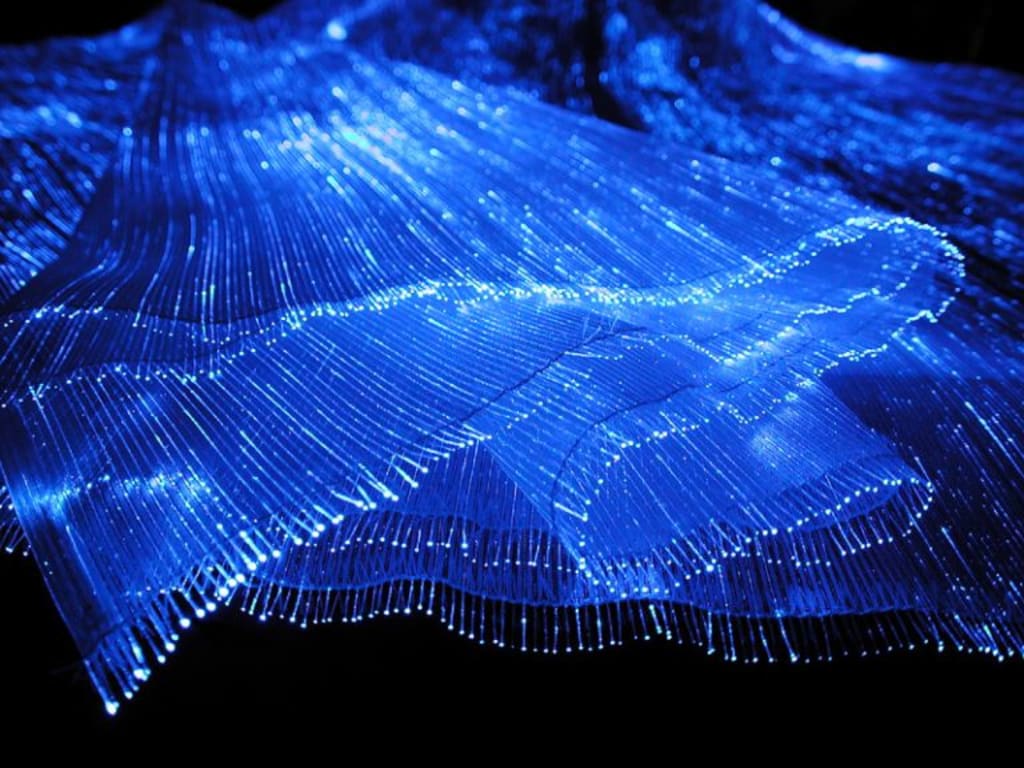
The development of smart fabrics and textiles has significantly impacted the fashion industry. These fabrics are embedded with technology, enabling functionalities such as temperature regulation, moisture-wicking, and even the ability to change colours or patterns. Companies like Google's Project Jacquard and Sensoria Fitness are pushing the boundaries of smart textiles, allowing fashion designers to merge technology with aesthetics in unprecedented ways.
VIRTUAL AND AUGMENTED REALITY
Virtual and augmented reality technologies have transformed the way consumers experience fashion. With virtual reality, users can virtually try on clothes, and accessories, and even experiment with different makeup looks, all from the comfort of their homes. Augmented reality enhances the physical shopping experience by overlaying digital information, such as product details or styling suggestions, onto the real world. Brands like Gucci, Sephora, and IKEA have embraced these technologies to provide immersive and interactive experiences for their customers.
3D PRINTING AND CUSTOMISATION
Fashion tech has also opened up new avenues for customization and personalization through 3D printing. Designers and even consumers can now create unique accessories, jewellery, and even garments by using 3D printing technology. This not only reduces waste but also allows for greater creativity and individual expression. Additionally, fashion tech enables on-demand manufacturing, reducing inventory and minimising the environmental impact of mass production.
SUSTAINABILITY AND ETHICAL FASHION
Fashion tech plays a crucial role in promoting sustainability and ethical practices in the industry. From using virtual prototypes to reduce sample waste to incorporating blockchain technology for supply chain transparency, fashion tech enables brands to make informed and responsible decisions. Furthermore, startups and innovators are developing alternative materials and eco-friendly manufacturing processes, paving the way for a more sustainable fashion industry.
DATA ANALYTICS AND AI
Data analytics and artificial intelligence are transforming various aspects of the fashion industry, from trend forecasting to inventory management. By analysing vast amounts of data, fashion brands can make informed decisions about product development, marketing strategies, and customer preferences. AI-powered chatbots and virtual stylists also enhance the shopping experience, providing personalised recommendations and styling advice.
FASHION AND SUSTAINABILITY APPS
Mobile apps focused on sustainable fashion have gained popularity, allowing users to make conscious choices while shopping. These apps provide information on ethical brands, sustainable materials, and eco-friendly practices. They also encourage users to recycle, upcycle, and resell their clothing, reducing the environmental impact of fast fashion.
CONCLUSION
Fashion tech has unleashed a new wave of innovation, creativity, and sustainability in the fashion industry. From wearable technology and smart fabrics to virtual reality and customization through 3D printing, technology continues to reshape the way we experience and engage with fashion.
While fashion tech has made significant advancements, there are still challenges to overcome. One of the main obstacles is the rapid pace of technological advancements, which can make it difficult for fashion brands to keep up with the latest trends. Additionally, there is a need for standardisation and interconnectivity across different fashion tech platforms and devices to ensure seamless integration and user experience.
Another consideration is the potential impact on the job market. As automation and AI technologies advance, there may be concerns about the displacement of traditional fashion industry roles. However, it is important to remember that fashion tech also creates new opportunities and job prospects in areas such as wearable technology design, data analytics, and sustainability consultancy, just to mention a few.
As the industry progresses, stakeholders must ensure that fashion tech remains ethical, inclusive, and sustainable, maximising its potential to transform the industry for the better. With continued collaboration between fashion brands and tech companies, the possibilities are endless, and we can expect even more exciting developments in the future.
In the years to come, we can anticipate further advancements in fashion tech, including enhanced virtual reality experiences, more sophisticated wearable technology, and greater integration of AI and data analytics. Fashion tech has the potential to not only enhance the way we express ourselves through fashion but also contribute to a more sustainable and inclusive industry.
So, whether it's wearing a smart garment that monitors our health, designing custom 3D-printed accessories, or virtually exploring a runway show from anywhere in the world, fashion tech continues to captivate our imagination and redefine the future of fashion.
About the Creator
Keep reading
More stories from Enyo-ojo Madaki and writers in Styled and other communities.
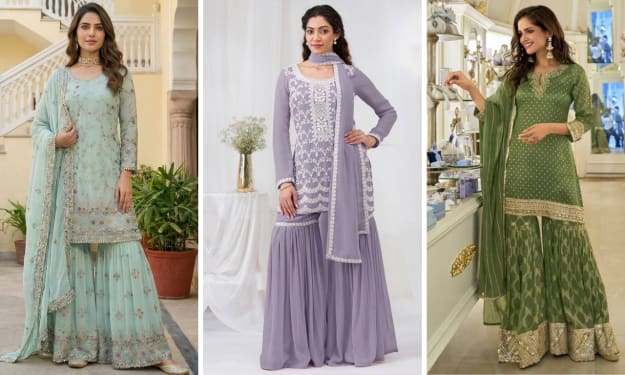
Eid Dressing Made Easy: Sharara Suits That Feel Light All Day
Eid is a long, beautiful day. From morning prayers and family visits to afternoon meals and evening gatherings, you’re on your feet, moving around, meeting people, and celebrating. That’s why, in 2026, women are choosing outfits that don’t just look festive, they feel easy from morning to night. And that’s exactly where sharara suits come in.
By Amit Mandal7 days ago in Styled


Comments
There are no comments for this story
Be the first to respond and start the conversation.