
Fashion Brands Embrace AI for Personalized Shopping Experiences: Revolutionizing Retail with Smart Technology
AI in Fashion: Transforming Shopping, Design, and Sustainability

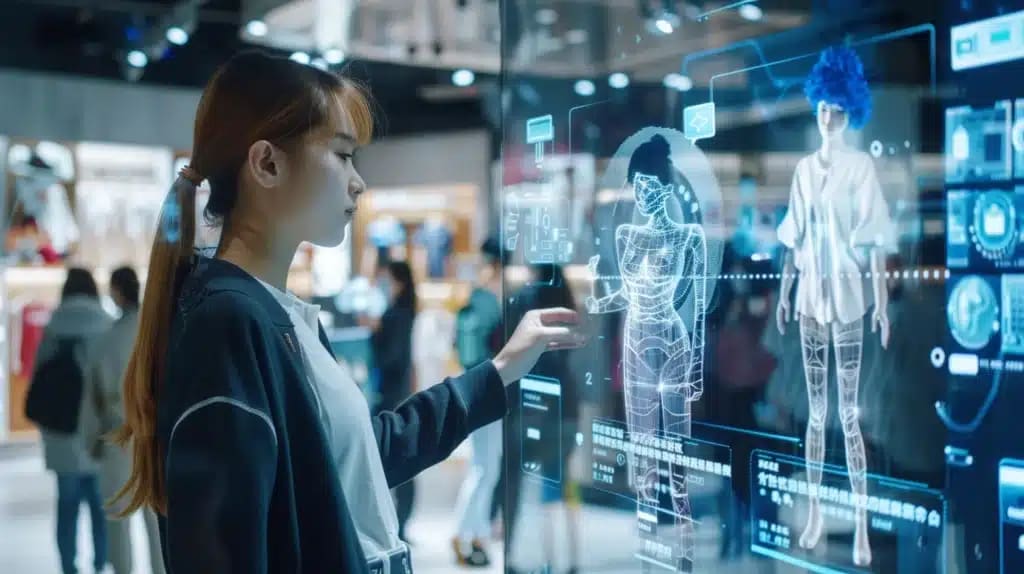
The fashion industry is undergoing a technological transformation, and artificial intelligence (AI) is at the forefront of this revolution. From personalized recommendations to virtual try-ons, AI-driven innovations are reshaping the way consumers shop for clothing and accessories. As e-commerce and digital retail continue to grow, brands are leveraging AI to enhance customer experiences, streamline operations, and boost sales.
This article explores how AI is redefining personalized shopping experiences, its impact on fashion brands, and the future of AI-driven retail.
1. The Rise of AI in Fashion Retail
Artificial intelligence is no longer a futuristic concept; it is now an integral part of modern fashion retail. Brands are investing heavily in AI-powered solutions to analyse customer preferences, predict trends, and create highly personalized shopping experiences. AI helps fashion companies understand consumer behaviour through data-driven insights, enabling them to offer customized product recommendations, improve inventory management, and enhance customer engagement.
2. Personalized Shopping with AI-Powered Recommendations
One of the most significant impacts of AI in fashion retail is the ability to offer personalized recommendations. AI-powered algorithms analyse a customer’s browsing history, purchase patterns, and preferences to suggest clothing and accessories tailored to their style.
- Recommendation Engines: Platforms like Amazon, Zalando, and ASOS use AI to display personalized product suggestions based on a user’s shopping behaviour.
- Style Assistants: AI-driven chatbots and virtual stylists, like those on Stitch Fix, provide fashion advice and suggest outfits tailored to individual preferences.
- Data-Driven Customization: AI can recognize patterns in consumer choices, allowing brands to offer customized collections that align with specific customer segments.
By leveraging AI, fashion brands can enhance customer satisfaction and increase sales through hyper-personalized shopping experiences.
3. Virtual Try-Ons and Augmented Reality (AR)
AI-powered virtual try-on technology is revolutionizing online shopping by allowing customers to visualize how clothes, shoes, and accessories will look before making a purchase.
- Augmented Reality Fitting Rooms: Brands like Gucci and Prada have implemented AR features in their apps, enabling users to see how products fit them in real-time.
- AI-Powered Size Recommendations: AI can analyse a customer’s body shape and previous purchase history to suggest the best-fitting sizes, reducing returns and exchanges.
- Makeup and Eyewear Try-Ons: Companies like Sephora and War by Parker offer virtual try-ons for makeup and eyewear, improving customer confidence in online purchases.
By integrating AI-driven AR experiences, fashion brands are bridging the gap between physical and digital shopping, making online retail more interactive and engaging.
4. AI in Fashion Design and Trend Forecasting
AI is also transforming the way fashion brands design and predict future trends. By analysing vast amounts of social media data, runway shows, and consumer preferences, AI can identify emerging trends before they hit mainstream markets.
- AI-Generated Designs: Brands like H&M and Tommy Hilfiger use AI to create new designs based on consumer preferences and historical fashion trends.
- Predictive Analytics: AI can forecast which colors, patterns, and styles will be in demand in the coming seasons, helping brands stay ahead of the competition.
- Sustainable Fashion Innovation: AI-driven tools optimize fabric choices, production processes, and waste reduction to make fashion more eco-friendly.
With AI’s ability to process vast datasets quickly, designers can make informed decisions that align with consumer demand, reducing overproduction and waste.
5. AI-Powered Chatbots and Virtual Assistants
Customer service is a crucial aspect of fashion retail, and AI-powered chatbots and virtual assistants are making interactions smoother and more efficient.
- 24/7 Customer Support: AI chatbots provide instant responses to customer queries, improving shopping experiences without human intervention.
- Personalized Styling Advice: Some AI assistants, like those used by Levi’s and Nordstrom, help customers find the perfect outfit based on their style preferences.
- Voice-Activated Shopping: Smart assistants like Amazon Alexa and Google Assistant allow consumers to shop using voice commands, adding convenience to the shopping process.
AI-powered virtual assistants enhance customer engagement, improve response times, and create a more seamless shopping experience.
6. AI in Supply Chain and Inventory Management
Efficient inventory management is essential for fashion brands to avoid overstocking or stockouts. AI helps retailers optimize supply chains, predict demand, and reduce waste.
- Demand Forecasting: AI analyses past sales data, seasonal trends, and external factors to predict product demand accurately.
- Automated Warehouses: AI-driven robots are revolutionizing warehouses, improving efficiency in sorting, packing, and shipping.
- Real-Time Inventory Tracking: AI systems track stock levels in real-time, preventing shortages and ensuring timely restocking.
By implementing AI in supply chain management, fashion brands can enhance efficiency, reduce operational costs, and improve sustainability.
7. AI and Sustainable Fashion
Sustainability is a growing concern in the fashion industry, and AI is playing a vital role in making fashion more eco-friendly.
- Reducing Textile Waste: AI predicts production needs accurately, minimizing excess inventory and reducing fabric waste.
- Ethical Sourcing: AI tools help brands ensure ethical labour practices by tracking supplier data and identifying fair-trade sources.
- AI in Second-Hand Fashion: Platforms like ThredUp and Vestiaire Collective use AI to authenticate and price pre-owned fashion items, promoting circular fashion.
As AI continues to evolve, it will drive sustainable practices, helping brands reduce their carbon footprint and adopt more ethical business models.
8. The Future of AI in Fashion Retail
The future of AI in fashion is promising, with continuous advancements set to revolutionize the industry further. Key trends to watch include:
- Hyper-Personalization: AI will become even more precise in understanding individual customer preferences, leading to highly customized shopping experiences.
- AI-Generated Fashion Collections: Designers will increasingly rely on AI to create entire collections based on predictive analytics and consumer insights.
- AI-Driven Virtual Stores: The metaverse and AI-powered virtual stores will provide immersive shopping experiences, where customers can browse, try on, and purchase items in a digital environment.
- Emotion AI in Shopping: AI will be able to detect emotions through facial recognition, voice tone, and behavior, adjusting recommendations based on a shopper’s mood.
As AI technology advances, fashion brands that embrace AI-driven strategies will gain a competitive edge by offering innovative, personalized, and engaging shopping experiences.
Conclusion
AI is transforming the garment industry by personalizing shopping experiences, optimizing supply chains, and driving sustainability. From AI-powered recommendations and virtual try-ons to chatbots and predictive analytics, fashion brands are leveraging technology to create smarter, more efficient, and engaging retail experiences.
As AI continues to evolve, it will redefine the way consumers interact with fashion, making shopping more convenient, immersive, and tailored to individual preferences. Brands that embrace AI-driven solutions will not only enhance customer satisfaction but also gain a significant advantage in the ever-changing fashion landscape.
About the Creator
textilenews
publisher
Keep reading
More stories from textilenews and writers in Styled and other communities.
AEPC Plans to Boost Indian Apparel Exports by Exploring New Markets
The Apparel Export Promotion Council (AEPC) plays a crucial role in promoting Indian apparel exports worldwide. With the increasing competition in the global textile industry and changing consumer preferences, AEPC is taking strategic steps to expand India’s reach into new international markets. By leveraging trade agreements, exploring emerging economies, and adopting sustainable practices, AEPC aims to strengthen India's position as a global leader in apparel exports.
By textilenews10 months ago in Styled
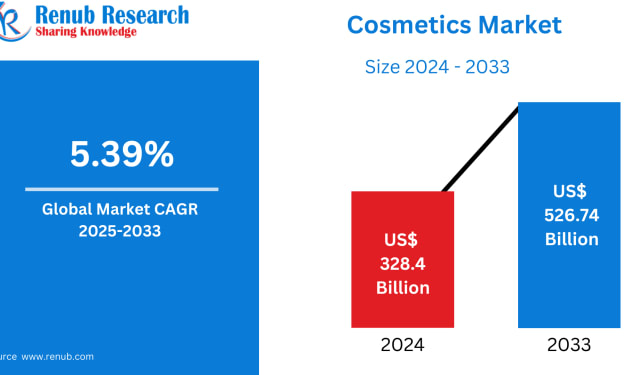
Global Cosmetics Market Size & Forecast 2025–2033
Introduction The global cosmetics market is undergoing one of the most dynamic transformations in its history. No longer defined solely by glamour and aesthetics, the modern beauty industry is increasingly driven by innovation, sustainability, digital engagement, and consumer awareness. From vegan formulations and personalized skincare to AI-powered beauty consultations and social commerce, cosmetics has become a powerful intersection of lifestyle, science, and identity.
By Marthan Sir6 days ago in Styled
Diamond Market Size and Forecast 2025–2033
Introduction The global diamond industry stands at the intersection of tradition, innovation, and evolving consumer values. Long regarded as a symbol of wealth, love, and permanence, diamonds continue to occupy a central position in the luxury goods sector while simultaneously gaining prominence in advanced industrial applications. According to Renub Research, the Diamond Market is expected to reach US$ 54.67 billion by 2033, up from US$ 40.08 billion in 2024, growing at a CAGR of 3.51% during 2025–2033.
By jaiklin Fanandish6 days ago in Styled
Center Stage with Paul Stewart
*** I'm keen to republish the interviews I did for my series with Vocal creators. It's been a few years and I thought it might be nice to revisit these wonderful conversations. I'll be releasing them one at a time for a few weeks/months.
By Heather Hubler5 days ago in Interview

Comments
There are no comments for this story
Be the first to respond and start the conversation.