
Brands Collaborate with Artists for Limited-Edition Apparel Collections
The Power of Collaboration: How Brands and Artists are Shaping Fashion with Limited-Edition Apparel

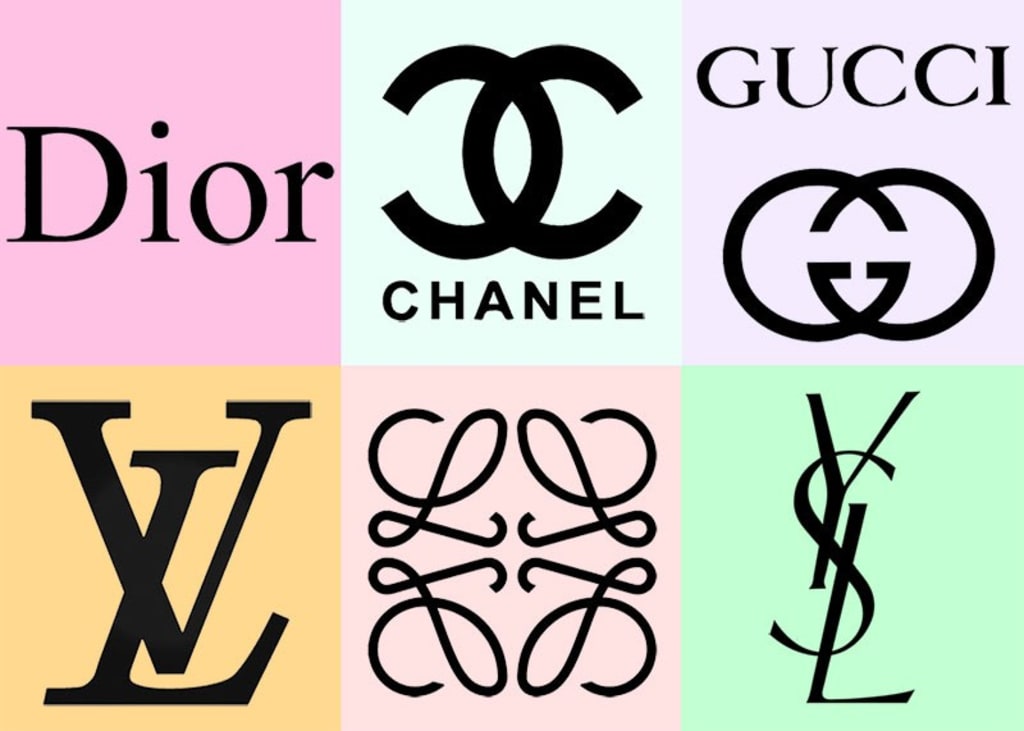
In the dynamic world of fashion, collaboration between brands and artists has become a game-changing strategy. By merging artistic creativity with commercial appeal, brands introduce unique, limited-edition apparel collections that attract fashion enthusiasts, art lovers, and collectors alike. These collaborations not only enhance brand value but also provide a platform for artists to showcase their work to a global audience. In this article, we will explore how and why brands collaborate with artists, the impact of these partnerships, and the future of this trend in the fashion industry.
1. The Rise of Brand-Artist Collaborations
- Over the past decade, collaborations between brands and artists have become a popular marketing and design approach.
- Luxury fashion houses, streetwear labels, and even sportswear brands have embraced artistic partnerships to create exclusive collections.
- These collaborations are often released in limited quantities, making them highly sought after by consumers and collectors.
- Social media has amplified the reach of these collaborations, helping them gain global recognition and desirability.
2. Benefits for Brands and Artists
For Brands:
- Fresh Creativity & Unique Designs: Artists bring fresh perspectives and distinctive artistic styles, making products stand out.
- Cultural Relevance: Working with artists allows brands to tap into new cultural movements and stay relevant.
- Limited-Edition Appeal: The exclusivity of these collections creates hype, leading to increased demand and higher sales.
- Enhanced Brand Image: Collaborations help brands position themselves as innovative and artistically inclined.
For Artists:
- Increased Exposure: Partnering with established brands gives artists visibility beyond the traditional art world.
- Financial Opportunities: Collaborations can be lucrative, providing artists with new revenue streams.
- Expanded Audience: Artists can connect with fashion enthusiasts who might not be familiar with their work.
- Creative Freedom: Many brands allow artists creative control, enabling them to translate their art into wearable fashion.
3. Iconic Artist-Brand Collaborations
Some of the most successful collaborations have left a lasting impact on both the fashion and art industries. Here are a few notable examples:
Louis Vuitton x Takashi Murakami (2003–2015)
- One of the most famous collaborations in fashion history.
- Murakami’s colourful, anime-inspired artwork transformed Louis Vuitton’s classic monogram into a playful, contemporary design.
- The partnership lasted over a decade and became a defining moment in luxury fashion.
Nike x Travis Scott x Contemporary Artists
- Nike frequently collaborates with musicians and visual artists to create limited-edition sneakers.
- Travis Scott’s collaborations often incorporate artwork from various artists, blending street culture with fine art.
- These releases sell out within minutes and become valuable collector’s items.
Supreme x Jeff Koons
- Streetwear giant Supreme has worked with multiple artists, including Jeff Koons, to create limited-edition apparel and accessories.
- These collaborations merge high art with urban fashion, making art more accessible to the younger generation.
Uniqlo x Keith Haring & Basquiat
- Uniqlo regularly collaborates with the estates of legendary artists like Keith Haring and Jean-Michel Basquiat.
- These collections introduce iconic artwork to mainstream audiences at affordable prices.
Adidas x Pharrell Williams x Contemporary Artists
- Adidas and Pharrell Williams have worked with various visual artists to create vibrant sneaker and clothing collections.
- The collaborations celebrate diversity, culture, and artistic expression.
4. How These Collaborations Are Marketed
Marketing plays a crucial role in the success of brand-artist collaborations. Some key strategies include:
- • Exclusive Drops: Many brands release these collections in limited numbers, creating urgency and hype.
- Social Media Teasers: Sneak peeks and countdowns on platforms like Instagram and TikTok generate buzz.
- Celebrity Endorsements: Influencers and celebrities wearing these pieces boost visibility and desirability.
- Pop-Up Stores & Exhibitions: Some brands launch collections through exclusive pop-up events, adding to the excitement.
- NFT & Digital Fashion Integration: Some collaborations now include digital collectibles or virtual wearables, expanding into the metaverse.
5. The Role of Streetwear in Brand-Artist Collaborations
- Streetwear brands like Supreme, Off-White, and BAPE have been pioneers in artist collaborations.
- The streetwear community values exclusivity and originality, making art-infused collections highly desirable.
- Many artists emerging from graffiti, street art, and digital art scenes have found a natural synergy with these brands.
6. Consumer Response & Demand for Limited-Edition Apparel
- The demand for artist-brand collaborations is fuelled by exclusivity and cultural significance.
- Limited-edition releases often sell out instantly, leading to high resale values on platforms like StockX and Grailed.
- Younger consumers, particularly Gen Z and Millennials, are drawn to these collections as a way to express individuality.
- Fashion collectors and art enthusiasts view these pieces as investments.
7. Challenges & Controversies in Artist-Brand Collaborations
Despite the success of many partnerships, there are challenges and potential pitfalls:
- Commercialization vs. Artistic Integrity: Some critics argue that these collaborations prioritize profit over artistic vision.
- Copyright & Intellectual Property Issues: Legal disputes can arise if brands use an artist’s work without proper authorization.
- Oversaturation of the Market: As more brands jump on the collaboration trend, it risks losing its exclusivity and appeal.
- Sustainability Concerns: Limited-edition drops can contribute to fast fashion waste if not produced responsibly.
8. The Future of Brand-Artist Collaborations
The trend of artist-brand collaborations shows no signs of slowing down. Some future directions include:
- More Digital & NFT Integration: With the rise of digital fashion, collaborations may expand into virtual spaces and blockchain-based ownership.
- Sustainable & Ethical Production: Brands will focus on eco-friendly materials and fair trade collaborations.
- Cross-Industry Collaborations: Beyond fashion, expect more partnerships with tech, gaming, and lifestyle brands.
- AI & Generative Art: Artificial intelligence-generated designs may play a role in future collaborations.
Conclusion
The collaboration between brands and artists for limited-edition apparel collections has transformed the apparel industry. By blending artistic creativity with brand influence, these partnerships create culturally significant and highly desirable pieces. While challenges exist, the growing interest in unique, exclusive fashion ensures that brand-artist collaborations will continue to thrive in the years to come.
About the Creator
textilenews
publisher
Keep reading
More stories from textilenews and writers in Styled and other communities.
Blockchain Technology Enhances Transparency in Apparel Manufacturing: Revolutionizing Supply Chains for a More Ethical Fashion Industry
The apparel industry has long faced challenges related to transparency, ethical sourcing, and supply chain accountability. With the rise of fast fashion and complex global supply chains, consumers and regulators are demanding greater clarity about where and how garments are produced. Blockchain technology is emerging as a game-changer, offering a secure and decentralized way to track every stage of apparel production, from raw material sourcing to final delivery.
By textilenews10 months ago in Styled
Deepfake Maker Face Swap: How I Create Scroll-Stopping Content in Minutes Without Editing Skills
Face Swap Technology and the Rise of AI-Generated Visual Media Artificial intelligence has transformed the way digital content is created, shared, and experienced. One of the most widely discussed developments in recent years is the emergence of face swap and deepfake technology. Once limited to research labs and advanced visual effects studios, face swapping is now accessible through web-based platforms and consumer applications.
By Abbasi Publisherabout 8 hours ago in Styled


Comments
There are no comments for this story
Be the first to respond and start the conversation.