
Block Print Fabric: A Timeless Art of Handcrafted Textiles
Introduction to Block Print Fabric
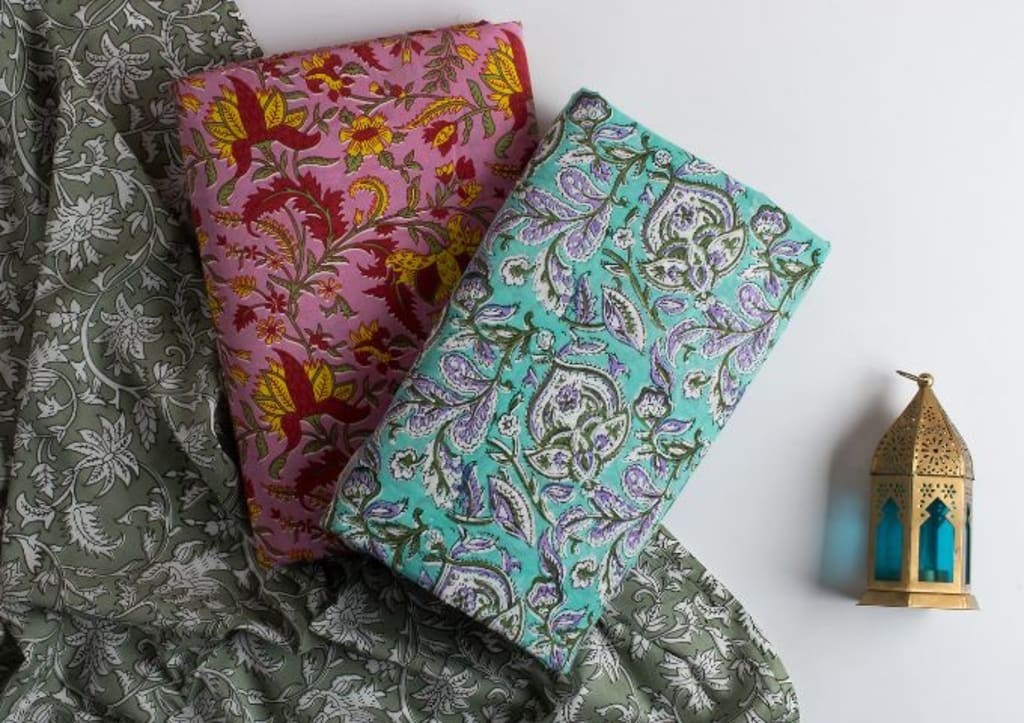
Block print fabric is one of the most celebrated textile art forms, known for its intricate designs, deep cultural roots, and sustainable manufacturing process. This centuries-old craft involves using hand-carved wooden blocks to imprint stunning patterns on fabrics, creating unique and timeless pieces.
From India to China and Europe, block printing has significantly shaped the global textile industry. Today, it continues to be highly sought after for its craftsmanship, eco-friendliness, and artistic appeal.
History and Origins of Block Printing
Block printing dates back thousands of years, with origins tracing back to ancient China around 220 AD. However, India is considered the epicentre of block printing, where artisans have perfected the craft over generations. Indian block prints, particularly from regions like Rajasthan and Gujarat, are world-renowned for their exquisite patterns and rich use of natural dyes.
During the medieval period, block-printed fabrics gained immense popularity in Europe, especially in France and England. The rise of mass production in the Industrial Revolution led to a decline in traditional block printing, but recent trends in sustainable fashion have revived the art, making it more desirable than ever.
The Block Printing Process: A Step-by-Step Guide
The making of block print fabric involves multiple meticulous steps that ensure the highest quality and craftsmanship. Here’s an overview of the process:
1. Designing and Carving the Blocks
The first step in block printing is creating the designs, which are hand-drawn onto wooden blocks. Skilled artisans carve intricate patterns into these blocks, making them ready for printing.
2. Preparing the Fabric
The chosen fabric, typically cotton, silk, or linen, is thoroughly washed and treated to remove any starch or impurities. This ensures better dye absorption and a long-lasting print.
3. Mixing the Natural Dyes
Traditionally, block printers use natural dyes derived from plants, roots, and minerals. Popular colours include indigo (blue), madder root (red), and turmeric (yellow), all of which add a rich depth to the prints.
4. Hand Printing the Fabric
The carved wooden block is dipped into the dye and carefully stamped onto the fabric, aligning with the design pattern. Artisans repeat this process multiple times, layering different colours and shapes to create intricate motifs.
5. Drying and Finishing
Once printed, the fabric is left to dry naturally before being washed to remove excess dye. Some textiles undergo additional treatments such as steaming or sun drying to set the colours permanently.
Types of Block Print Fabrics
Block printing varies by region, with distinct styles that reflect the local culture and techniques. Some of the most famous types of block prints include:
1. Bagru Print
Originating from Rajasthan, Bagru prints feature floral and geometric patterns in earthy tones, created using vegetable dyes.
2. Sanganeri Print
Sanganeri prints, also from Rajasthan, are known for their delicate floral patterns and bright, vibrant colours. These prints often include motifs of peacocks, vines, and paisleys.
3. Ajrakh Print
Ajrakh is a traditional block printing technique from Gujarat and Sindh, characterized by deep indigo and red hues with intricate symmetrical patterns.
4. Kalamkari Print
Kalamkari is a hand-painted and block-printed fabric from Andhra Pradesh, often depicting mythological themes and nature-inspired motifs.
Why Choose Block Print Fabric?
With the rise of fast fashion, block print fabric stands out for its sustainability, uniqueness, and cultural significance. Here are some reasons why it remains a favourite among designers and consumers:
1. Handmade and Unique
Each block-printed fabric is handcrafted, meaning no two pieces are identical. The imperfections add to their charm, making them exclusive works of art.
2. Eco-Friendly and Sustainable
Block printing uses natural dyes and minimal machinery, making it an environmentally friendly alternative to synthetic fabric printing.
3. Cultural Heritage and Artisanal Craftsmanship
By choosing block print fabric, you support artisans and preserve a centuries-old tradition that continues to provide livelihoods to many skilled workers.
4. Versatile and Timeless
Block print fabrics can be used for various purposes, from fashion apparel like dresses and sarees to home furnishings such as curtains and tablecloths.
How to Care for Block Print Fabrics
Since block print fabrics are handcrafted using natural dyes, they require special care to maintain their beauty and longevity.
Avoid direct sunlight while drying to prevent colour fading.
Do not use harsh chemicals like bleach, as they can damage the fabric.
Iron on a low heat setting to preserve the prints and fabric quality.
Where to Buy Authentic Block Print Fabric
Authentic block print fabrics can be found in:
Local artisan markets in India, particularly in Jaipur, Ahmedabad, and Hyderabad.
Online marketplaces that support sustainable fashion brands.
Specialty stores that offer handcrafted textiles from around the world.
Conclusion
Block print fabric is more than just a textile; it is a piece of history, an expression of culture, and a symbol of sustainability. Its charm and elegance remain unmatched, whether used for clothing, home decor, or accessories. By embracing block print fabrics, we celebrate traditional craftsmanship and contribute to a more sustainable and ethical fashion industry.
About the Creator
How to Make a Simple Sharara Outfit Look Festive
An outfit with a sharara is already known for its myriad of flaring and festive touch, but at times you might have a simple sharara that seems too basic for the special occasions. What was the silver lining of this one? With the right styling picks, even a plain outfit can be made more festive with simple and understated statement looks. The final minute details that include accessories, dupatta draping as well as footwear have the power to transform your overall look.
By Amit Mandal4 days ago in Styled


Comments
There are no comments for this story
Be the first to respond and start the conversation.