
Indigo Fabric: A Timeless Legacy of Natural Dye Textiles
Introduction to Indigo Fabric
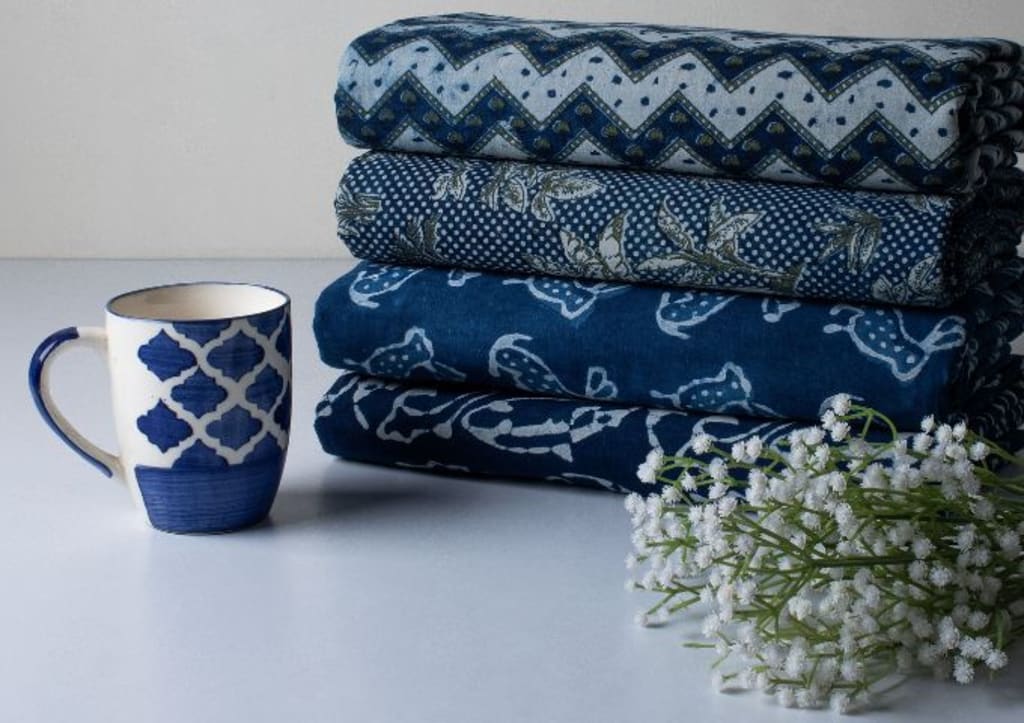
Indigo fabric is dyed with natural or synthetic indigo to achieve deep, rich blue hues. Used for centuries across various cultures, indigo dyeing is one of the oldest known textile colouring methods, holding significant cultural and artistic value. Today, indigo fabrics remain a staple in fashion and home décor, celebrated for their durability, elegance, and environmentally friendly nature.
The History of Indigo Fabric
Indigo dye has been used for over 4,000 years, originating in ancient India, China, and Egypt before spreading to Africa and Europe. The word “indigo” comes from the Greek “indikon”, meaning “from India,” as India was a major exporter of indigo dye for centuries.
In Japan, indigo-dyed textiles were historically worn by samurais and farmers for their antibacterial and insect-repellent properties. In West Africa, indigo dyeing became an integral part of traditional garments, symbolizing wealth and status. Meanwhile, European traders in the 16th century played a pivotal role in spreading indigo dyeing techniques worldwide.
How Indigo Fabric is Made
1. Extraction of Indigo Dye
Indigo is a naturally occurring dye derived from the leaves of the Indigofera tinctoria plant. The dyeing process begins with harvesting indigo leaves, fermenting them in water, and extracting the pigment through oxidation.
2. Preparing the Fabric
Before dyeing, fabrics like cotton, silk, linen, or wool are thoroughly washed to remove impurities. Traditional methods often involve soaking the fabric in a mordant to enhance colour absorption.
3. Dyeing Process
The fabric is dipped into an indigo vat, where the dye binds with the fibres. Initially, the fabric appears green but turns blue when exposed to oxygen. Multiple dips create deeper shades of blue.
4. Drying and Finishing
After dyeing, the fabric is dried and washed to remove excess dye, then ironed or finished for commercial use. Some indigo fabrics undergo additional treatments like block printing or shibori tie-dyeing for unique designs.
Types of Indigo Fabric
1. Natural Indigo-Dyed Fabric
Made using plant-based indigo, natural indigo-dyed fabrics are organic, eco-friendly, and biodegradable. These fabrics develop a beautiful patina over time, adding to their charm.
2. Synthetic Indigo Fabric
Developed in the late 19th century, synthetic indigo is chemically produced to replicate the color of natural indigo. Synthetic dyes are widely used in denim production and offer cost-effective alternatives to natural dyeing.
3. Handwoven Indigo Textiles
Many artisans weave handspun cotton or silk fabrics and dye them with indigo, creating bespoke textiles with rich textures and intricate patterns.
4. Indigo-Printed Fabrics
Techniques like block printing and batik incorporate indigo dye to create elaborate motifs. These fabrics are popular in India, Indonesia, and Africa for their bold, artistic designs.
The Cultural Significance of Indigo Fabric
1. Indigo in Fashion
Indigo fabric has remained a fashion staple for centuries, from traditional robes and kimonos to modern denim jeans. Renowned designers incorporate indigo textiles into contemporary collections, bridging heritage with modern trends.
2. Symbolism and Traditions
In African cultures, indigo-dyed garments often indicate royalty and spiritual significance. In Japan, aizome (indigo dyeing) is considered a national treasure, with artisans preserving the craft for generations.
3. Indigo in Home Décor
Indigo-dyed fabrics are widely used in home textiles, such as cushions, curtains, rugs, and table linens. The deep blue tones complement both traditional and modern interiors.
Benefits of Indigo Fabric
1. Eco-Friendly and Sustainable
Natural indigo dyeing is a non-toxic process that uses minimal chemicals, making it an environmentally friendly choice for conscious consumers.
2. Durable and Long-Lasting
Indigo-dyed fabrics are known for their fade-resistant properties, allowing garments to age beautifully over time.
3. Antibacterial and Skin-Friendly
Historically, indigo was believed to have antiseptic properties, making it beneficial for skin health and reducing bacterial growth on fabric.
4. Unique and Timeless Appeal
The deep blue hues of indigo textiles create a timeless and sophisticated aesthetic, making them a versatile choice for various applications.
How to Care for Indigo Fabric
Wash Separately: Indigo fabric may bleed colour initially, so wash it separately to avoid staining other garments.
Use Mild Detergents: Harsh chemicals can weaken the dye. Opt for natural or mild detergents.
Avoid Direct Sunlight: Excessive exposure to sunlight can cause fading, so dry indigo-dyed fabrics in the shade.
Hand Wash for Longevity: Hand washing preserves the integrity of indigo-dyed fabrics better than machine washing.
Where to Buy Authentic Indigo Fabric
Indigo fabrics are available from artisan markets, specialty textile stores, and online platforms that promote sustainable fashion. Brands that support handmade, eco-friendly textiles often source their indigo fabrics from traditional dyeing communities.
Conclusion
Indigo fabric is more than just a textile; it is a cultural legacy and an art form that has stood the test of time. From its deep historical roots to its modern-day applications, indigo textiles continue to captivate fashion enthusiasts, artisans, and eco-conscious consumers worldwide. Whether used in clothing, accessories, or home décor, indigo-dyed fabrics remain a symbol of elegance, tradition, and sustainability.
About the Creator
10 Stylish Ways to Wear a Kaftan Dress
One of the simplest outfits to style in kaftan dresses. They are snazzy and practical and work with countless looks. Through the years, kaftan makes a journey from wearing among cultures to its introduction in modern wardrobes. Kaftan dress is very much loved by women who prefer modest fashion and islamic clothing as it can be elegant yet comfortable.
By Stylewithme2 days ago in Styled
How Can You Style a White Abaya for Everyday Modest Fashion?
In the world of modest fashion, some pieces never lose their charm—and the white abaya is one of them. Timeless, graceful, and effortlessly elegant, a white abaya has become a staple for women who prefer modest dressing without compromising on modern style. Its simplicity allows endless styling possibilities, making it suitable for daily wear, work, college, errands, and even casual gatherings.
By Stylewithme2 days ago in Styled


Comments
There are no comments for this story
Be the first to respond and start the conversation.